Watercolor Cocktail Bar
Watercolor Cocktail Bar — A Wisteria Setup That Turns Your Sideboard Into a Signature Bar
A cocktail bar is not furniture. It is not a surface with bottles on it.
A cocktail bar is the first thing guests see when they walk into your gathering. It sets the tone before a single word is spoken, before the first drink is poured, before anyone has found their seat. Done right, it tells your guests exactly what kind of evening this is going to be.
The Watercolor Wisteria cocktail bar does that from across the room.
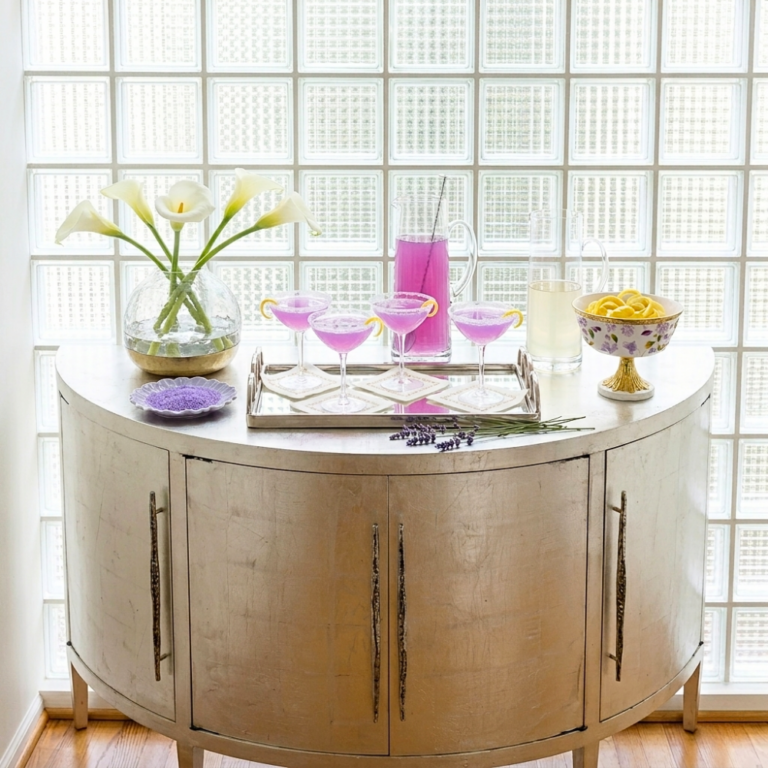
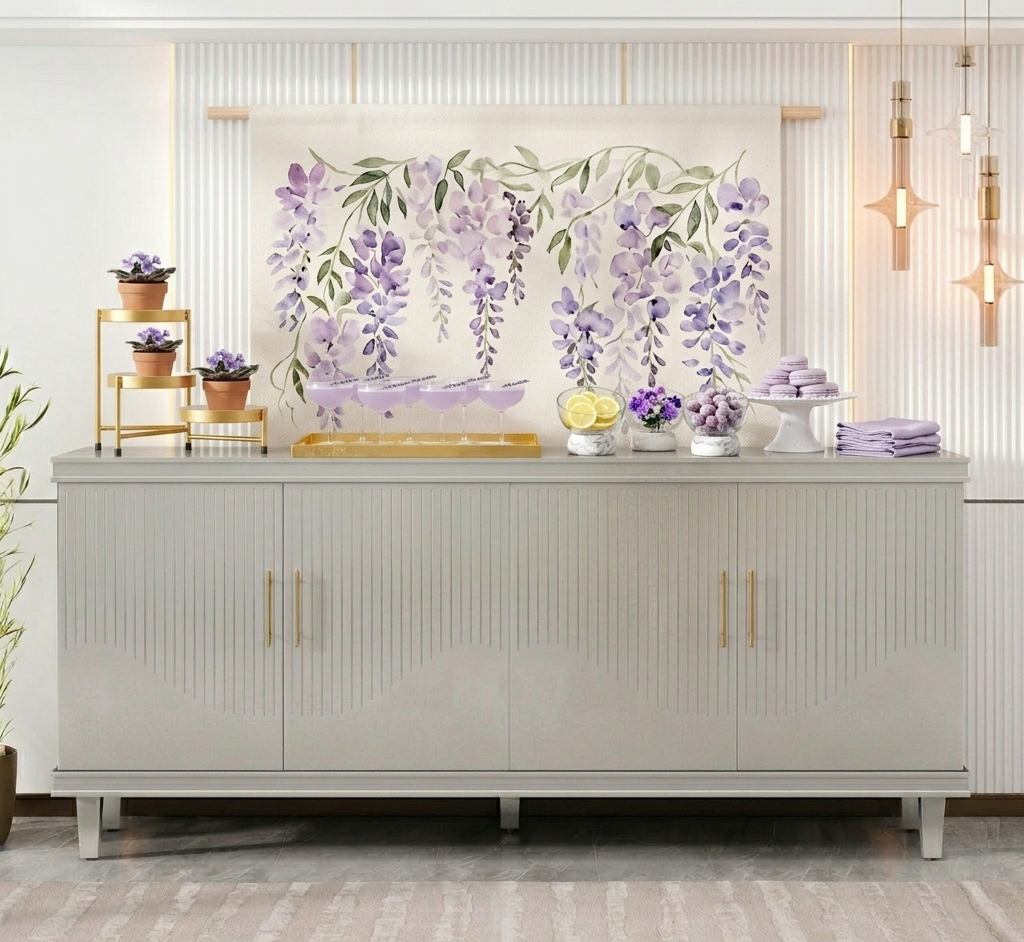
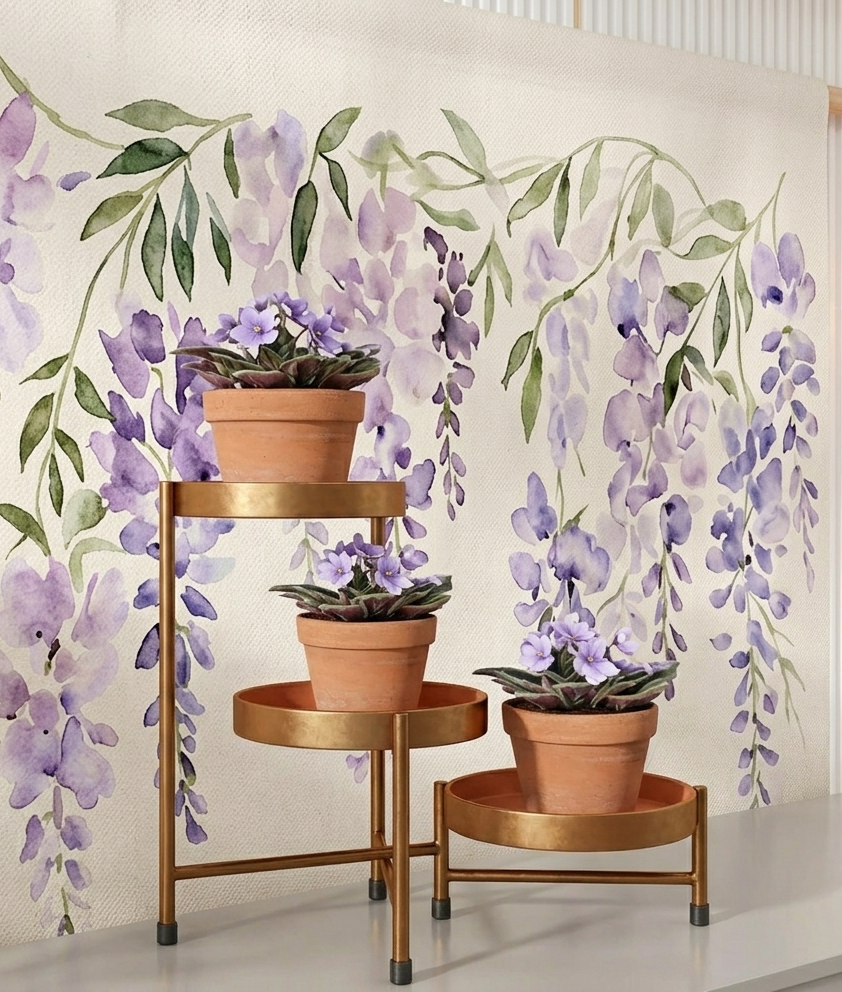
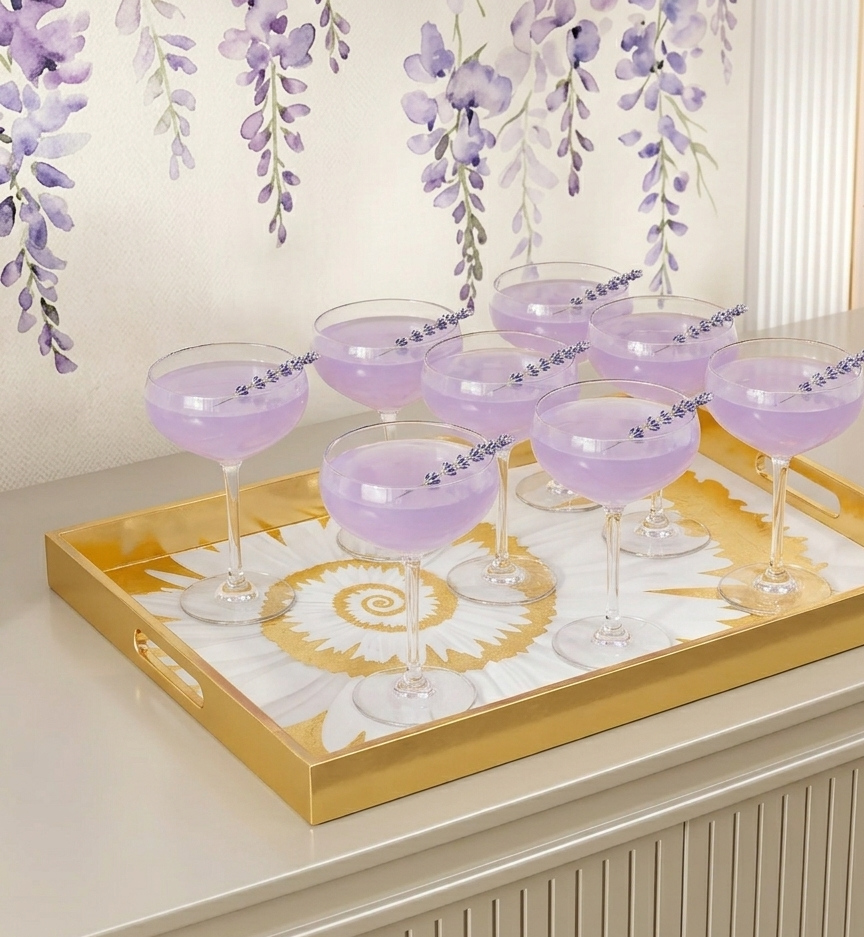
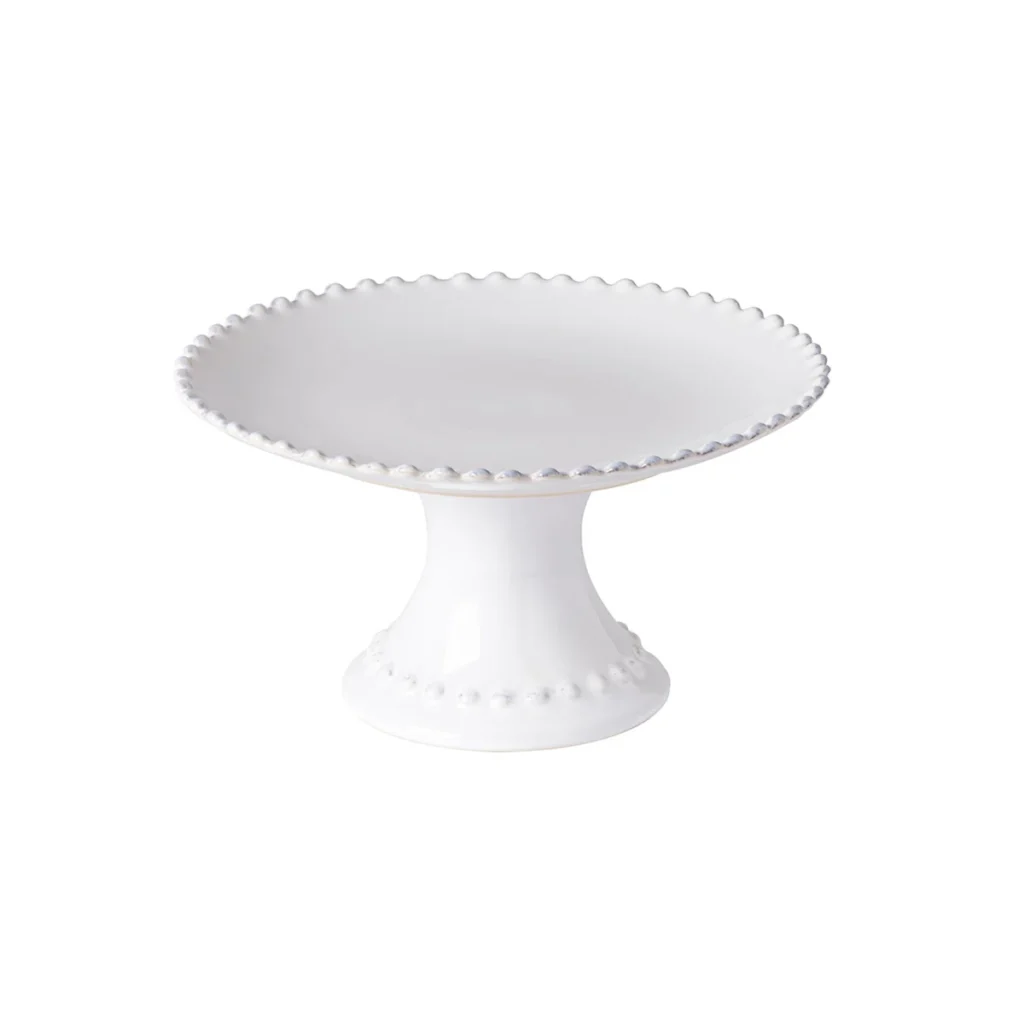
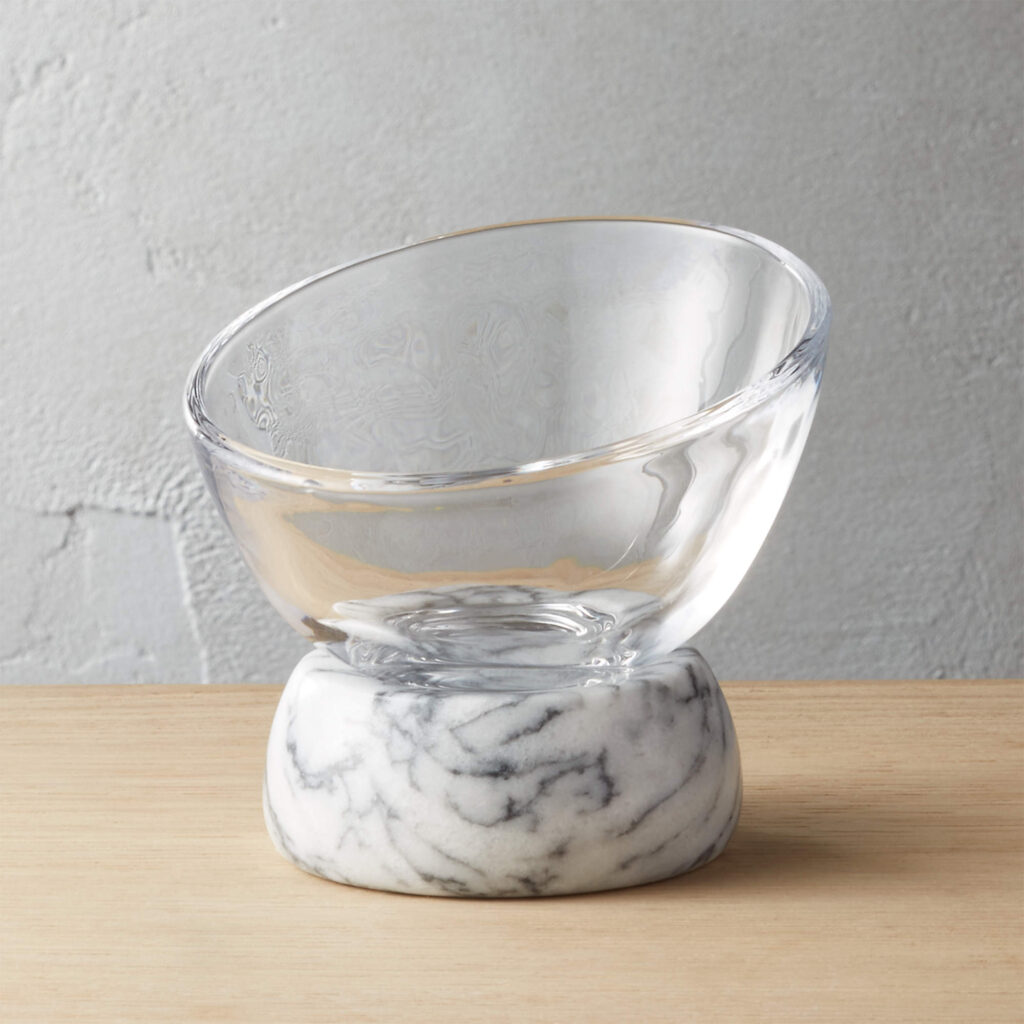
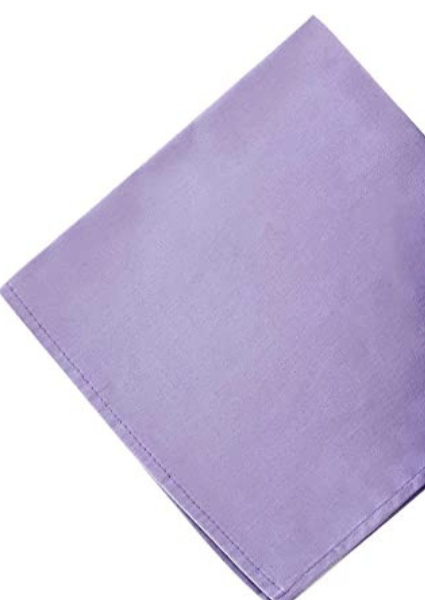
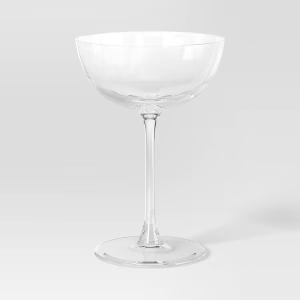
A hand-painted wisteria canvas hangs above a champagne sideboard. A gold daisy tray holds eight coupe glasses filled with violet lavender lemonade. A three-tier gold plant stand anchors the left side with blooming African violets in terracotta pots. Sugared grapes glisten in a marble-based glass bowl. Lavender macarons sit on a beaded white cake stand. Lavender linen napkins are stacked and ready.
This is not a drink station. It is an experience with a signature.
It works for a bridal shower, a garden party, a girls’ night in, a spring birthday lunch. The occasion changes. The bar remains the anchor.
Here is how to build it using the FLOWS Method, our repeatable formula for bars and stations that not only look good, but function well.
Fully Stocked: The Signature Drink Comes First
Every great cocktail bar is defined by its signature drink. Yours is a butterfly pea flower lavender lemonade — a cocktail that changes color in the glass.
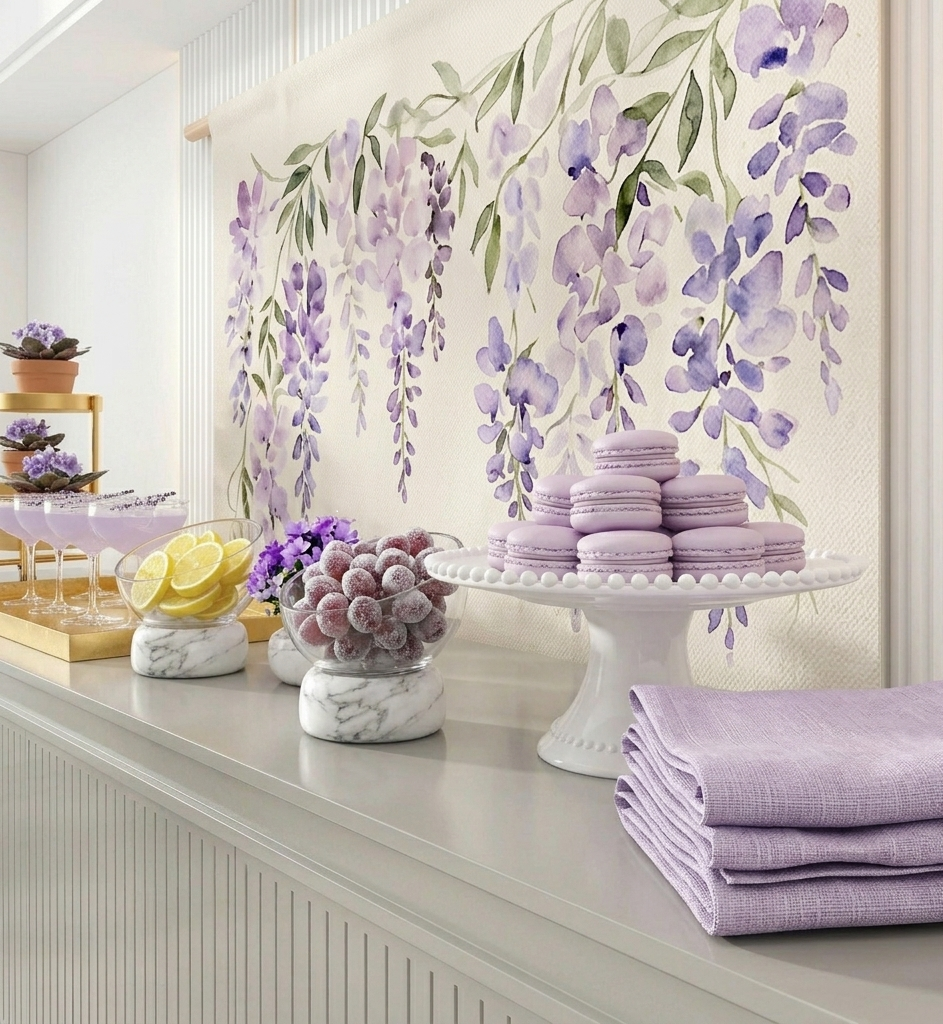
The violet comes from butterfly pea flower tea, a caffeine-free herbal tea available at health food stores and online. It produces a vivid blue-purple that shifts toward soft lavender the moment citrus is added. The color change happens in the glass, in front of your guests. It is the most photographed thing on any bar it appears on.
Butterfly Pea Flower Lavender Lemonade (serves 8–10)
For the lavender simple syrup:
1 cup water
1 cup granulated sugar
3 tablespoons dried culinary lavender
Combine over medium heat. Stir until sugar dissolves. Simmer five minutes. Remove from heat and steep twenty minutes. Strain through a fine mesh sieve and cool completely.
For the cocktail:
1½ cups fresh lemon juice (approximately 10–12 lemons)
6 cups cold water
1 cup strongly brewed butterfly pea flower tea, cooled
Lavender simple syrup to taste
2 oz vodka or gin per serving (optional — omit for a mocktail)
Ice
Combine lemon juice, cold water, butterfly pea flower tea, and simple syrup in a large pitcher. Stir well. The mixture shifts from deep blue-purple to soft violet as the lemon juice reacts with the tea. For individual cocktails, pour over ice in a coupe glass and add the spirit of your choice. Garnish with a fresh lavender sprig resting across the rim.
For the bar, prepare the base mixture in a large pitcher and set it on the sideboard. Guests pour into coupe glasses and add their own spirit — or keep it a mocktail for the full table. Either way, the color shift happens in every glass.
Stock the bar fully before guests arrive: the pitcher, a small ice bucket, coupe glasses on the tray, spirits on the side for those who want them.
Layered: The Canvas Changes Everything
The painted wisteria canvas is what elevates this bar from styled to signature.
Most cocktail bars live against a blank wall. A mirror reflects the room back at you. A piece of art competes with the setup in front of it. A painted canvas does something different — it extends the bar’s identity upward and gives the entire setup a visual reason to exist. The wisteria connects the drink to the backdrop to the flowers on the tiers. Everything becomes one thing.
Hang it directly above the sideboard using a wooden dowel rod suspended between two wall hooks or shepherd’s hook brackets. The dowel is visible at the top — this is part of the artisan quality of the setup, not a flaw to hide.
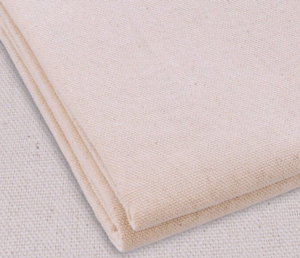
Use unprimed artist’s canvas cut to approximately four feet wide by five feet tall. Unprimed canvas absorbs watercolor paint the way that produces the characteristic soft, bloomed edge that no print can replicate.
To paint it, dampen the canvas lightly with a clean wet brush before applying color. Work in loose cascading wisteria branch shapes — a central stem with smaller racemes hanging downward, leaves suggested rather than detailed. Use lavender, soft purple, and sage green watercolor paints. Work quickly. Trust the looseness. Overworked watercolor loses its life.
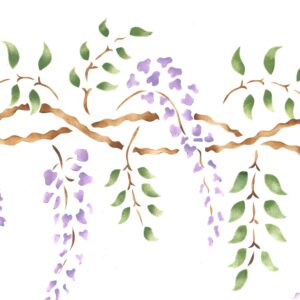
For those who want a shortcut: a wisteria stencil used with a dry-brush watercolor technique reads as hand-painted rather than stenciled. Apply minimal paint in light layers and vary the pressure. The result is indistinguishable from freehand at arm’s length.
The canvas does not need to be perfect. It needs to be yours. That is the point.
Once hung, the canvas frames the entire bar and makes every photograph taken in front of it look intentional.
Organized: A Place for Everything
The Watercolor Wisteria bar has four distinct zones across the sideboard surface, each with a clear purpose.
Far left: the three-tier gold plant stand holds one blooming African violet in a terracotta pot on each tier. This is the living element of the bar — the piece that makes the setup feel like a garden brought indoors. The staggered tiers create vertical interest and add height on the left end to balance the canvas above.
Center left: the gold daisy lacquer tray holds the coupe glasses. Arrange them in two offset rows of four or five. The tray keeps them contained, makes them easy to lift, and its pattern is visible between the stems — a design detail that rewards a close look.
Center right: three small glass bowls on marble bases hold the garnishes — lemon wheels in the first, fresh purple flowers in the second, sugared grapes in the third. Beside them, the beaded white cake stand holds lavender macarons. This cluster is your food and garnish station. Keep it within easy reach of the glasses.
Far right: a stack of folded lavender linen napkins. Placed last, picked up first.
Every item has a zone. Nothing is placed at random. That organization is what makes the bar function as well as it looks.
Within Reach: Designed for the Guest
A cocktail bar that requires explanation has failed.
Everything a guest needs to pour, garnish, and pick up a napkin should be reachable from a standing position without moving anything or asking anyone. The pitcher sits beside the tray, not behind it. The garnish bowls are open, not covered. The napkins are at the end of the natural left-to-right flow.
For a seated dinner where you are pouring for guests, pre-fill all the coupe glasses before anyone sits down. The color-shift has already happened. Eight violet glasses on a gold tray in front of a wisteria canvas is the moment guests walk into. Nothing needs to be explained or demonstrated. The bar has already made its impression.
For a self-serve setup — a bridal shower, a girls’ night, a cocktail party — leave the pitcher accessible and let the color change be the discovery. Guests who witness it will call others over. It becomes a moment rather than a drink.
Sourcing the Setup
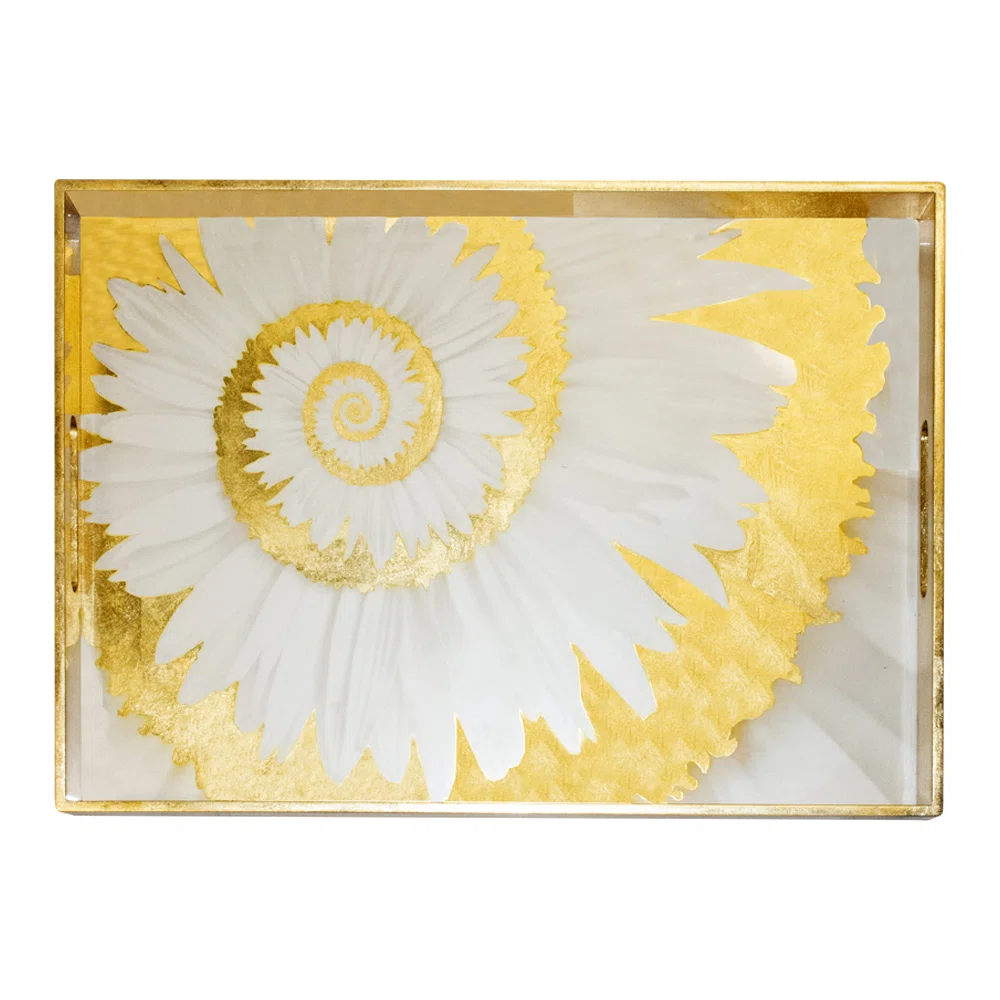
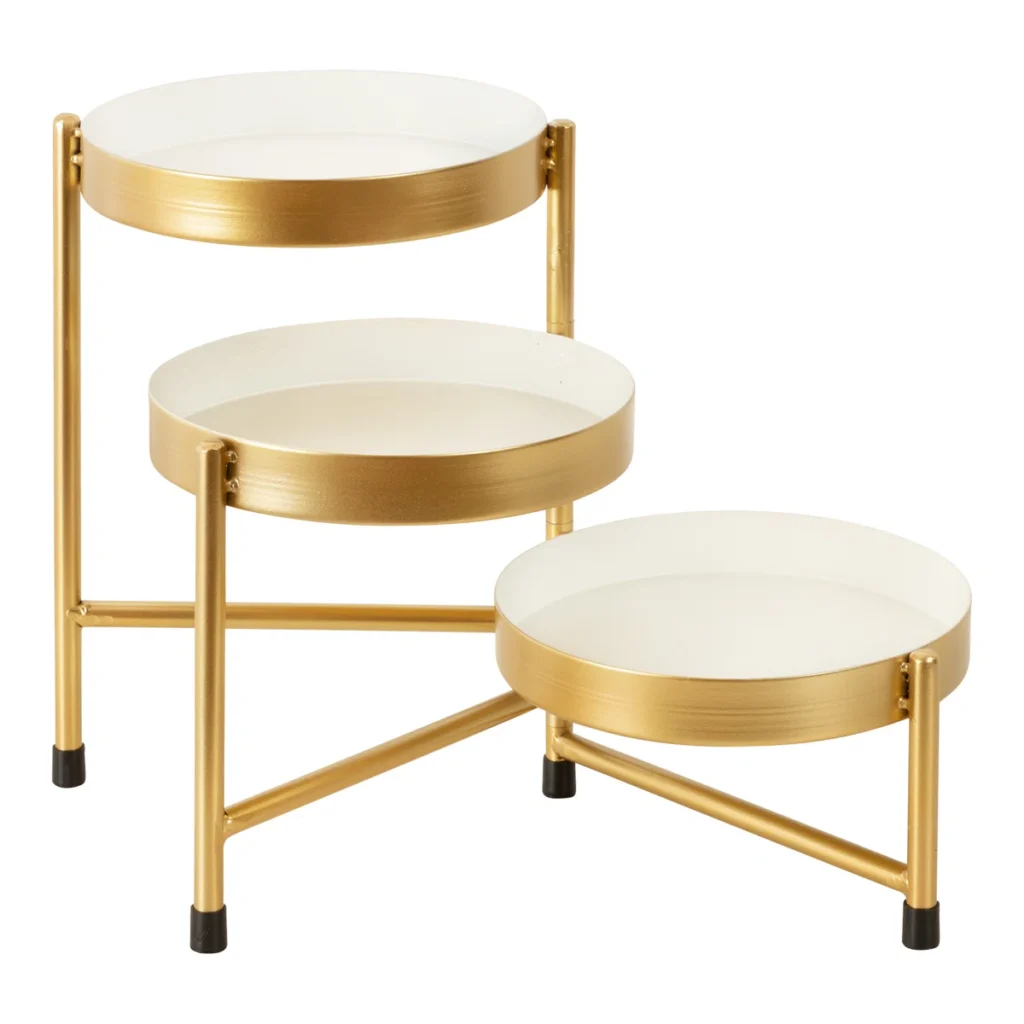
Every item on this bar is shoppable. The canvas and stencil are the two pieces that make it irreplaceable.
Styled: The Details That Make It Memorable
The sugared grapes are worth making. Rinse a bunch of small purple or red grapes, shake off excess water, and roll them in superfine sugar while still damp. The sugar coating sets in twenty minutes at room temperature and produces a glistening, frosted finish that photographs beautifully in the marble bowl.
The lavender macarons can be sourced from most specialty bakeries or made at home with a standard macaron recipe tinted with violet gel coloring. The pale lavender shells need no decoration — the color is the detail.
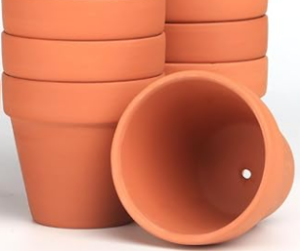
African violets in the lavender varieties are available at most garden centers and many grocery stores in spring and summer. Choose pots that are already blooming. The terracotta pot is part of the composition — do not swap it for a decorative cache-pot.
The lavender napkin stack reads as designed rather than functional when folded cleanly and stacked in threes. Press them before the party. The fold line is visible in photographs and it matters.
The Bar That Sets the Tone
The Watercolor Wisteria cocktail bar works because it commits to a point of view.
Every element speaks the same language — the painted canvas, the violet drink, the living violets, the gold and terracotta, the soft lavender linen. Nothing is an afterthought. Nothing is a placeholder.
That coherence is what guests feel before they can articulate it. It is what makes them reach for their phones before they reach for a drink. It is what makes your gathering feel curated rather than assembled.
A cocktail bar built this way is not a place to serve drinks. It is the reason the room looks the way it does. It is the first impression that sets every impression that follows.
Build it once and guests will ask about it every time.