Pink Tea Station
Pink Tea Station: A Curated Tea Bar Setup for Everyday Rituals
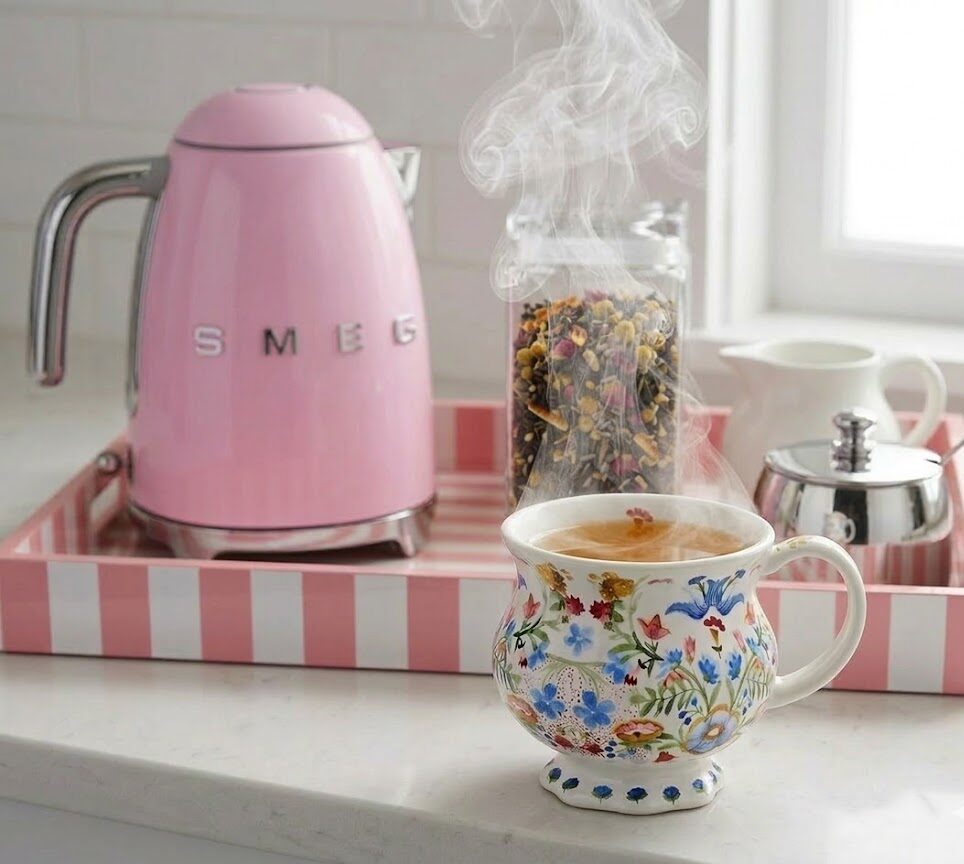
A tea station isn’t just about having your tea supplies within reach. It’s about creating a moment of pause in your day, wherever that moment happens to find you. A tea station keeps everything in one place—loose tea storage, an electric kettle, mugs, and sweeteners—so you can create a calm, organized tea bar at home anywhere you want to enjoy a cup.
Unlike a coffee bar built for speed and efficiency, a tea station invites a slower ritual. The ritual of selecting loose tea from a glass jar, heating water to the right temperature, and watching leaves unfurl in hot water creates pockets of calm that a pod machine simply can’t deliver.
This pink tea station embraces that gentler energy through soft curves, botanical elements, and thoughtful organization. And because it runs on an electric kettle rather than proximity to a water line, you can set it up anywhere you actually want to sit with your tea.
What Makes a Tea Station Different
Tea doesn’t demand the same footprint as coffee. There’s no grinder, no bulky machine, no knock box or milk frother taking up counter real estate. A tea station can live on a small tray, a corner of your desk, or a nightstand.
The electric kettle is the only piece of equipment you truly need, and it’s portable. Everything else serves aesthetics or organization. That freedom means your tea setup can follow your mood and your movement through the day.
Morning tea in the kitchen while making breakfast. Afternoon tea at your desk during a work break. Evening herbal blend in the bedroom as you wind down. The same station, three different locations, each one creating its own small ceremony.
Organizing Your Tea Station
A tray creates boundaries. Everything on the tray belongs to the ritual; everything outside it doesn’t. The striped pattern here does more than add visual interest. It defines the station as an intentional space, not random items clustered on a counter.
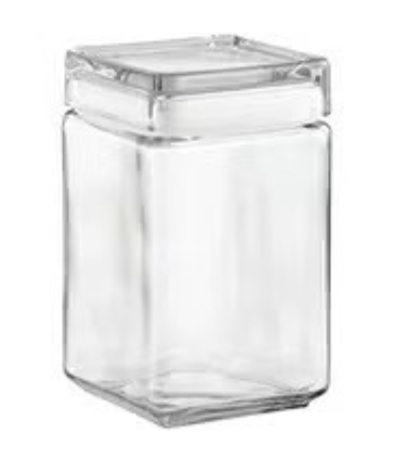
The glass canister holds loose tea where you can see it. Chamomile petals, rose buds, lavender sprigs, or rolled oolong leaves become part of the display. When the contents are visible, you’re more likely to reach for something beautiful instead of defaulting to the same generic tea bag every time.
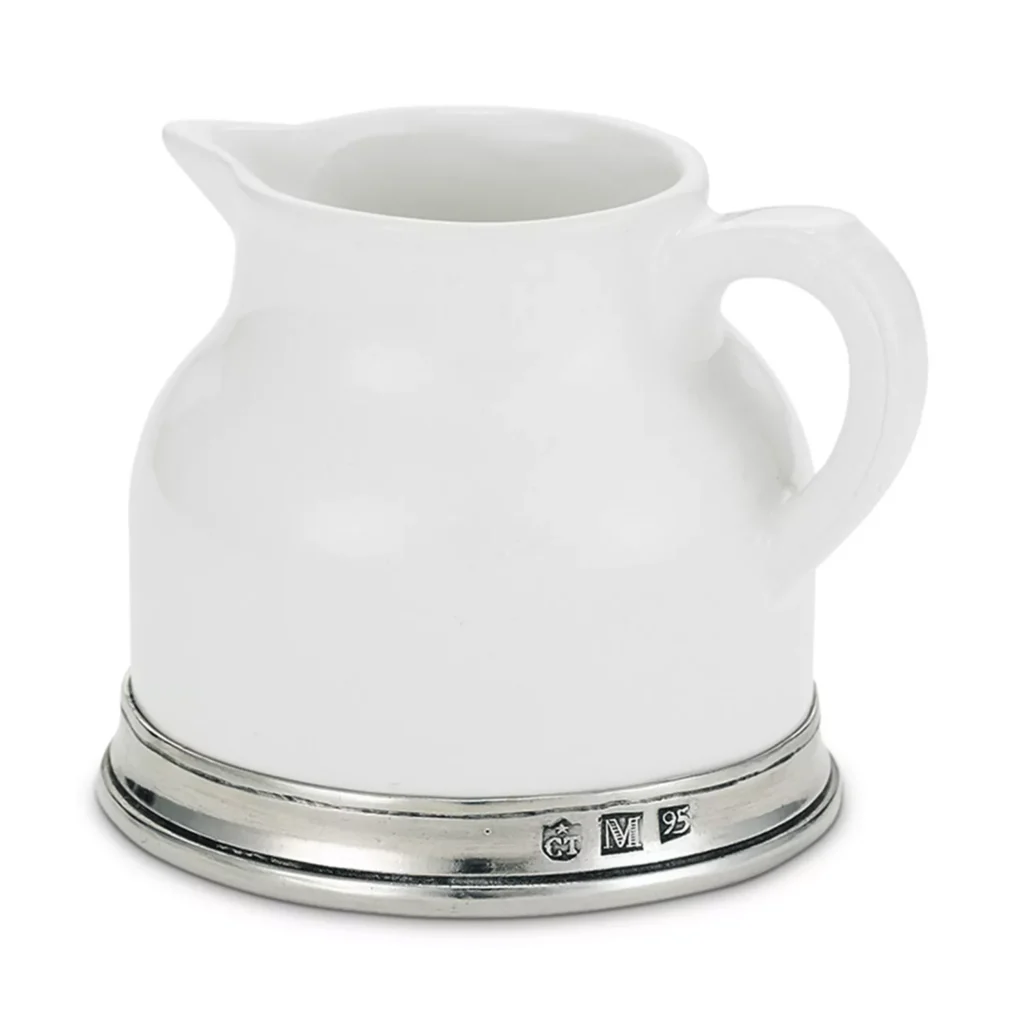
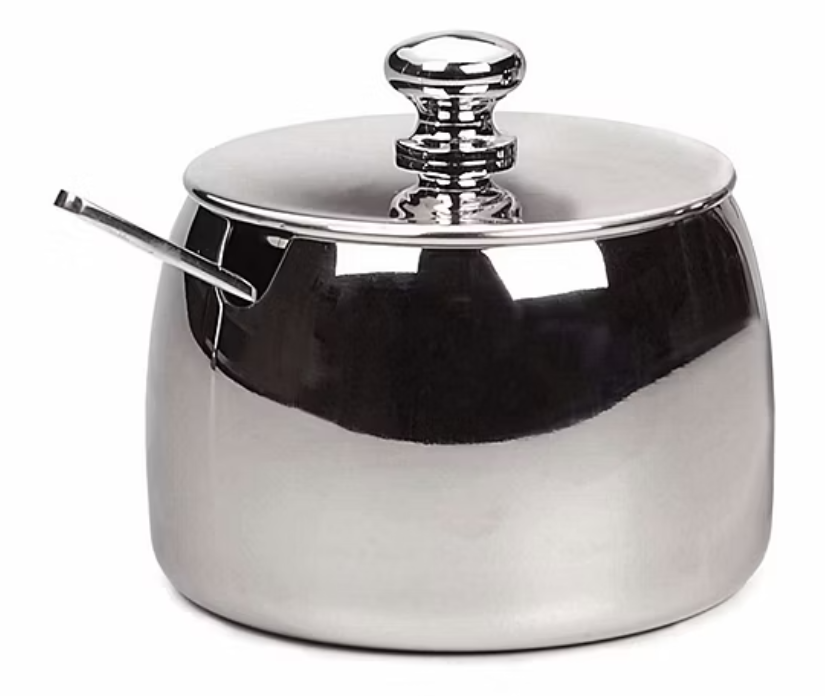
The creamer pitcher and sugar bowl borrow vocabulary from coffee bar setups, but here they feel more delicate. Cream in a white ceramic pitcher rather than a carton. Sugar in a polished bowl with its own small spoon. These aren’t functional necessities for most tea drinkers, but they signal care.
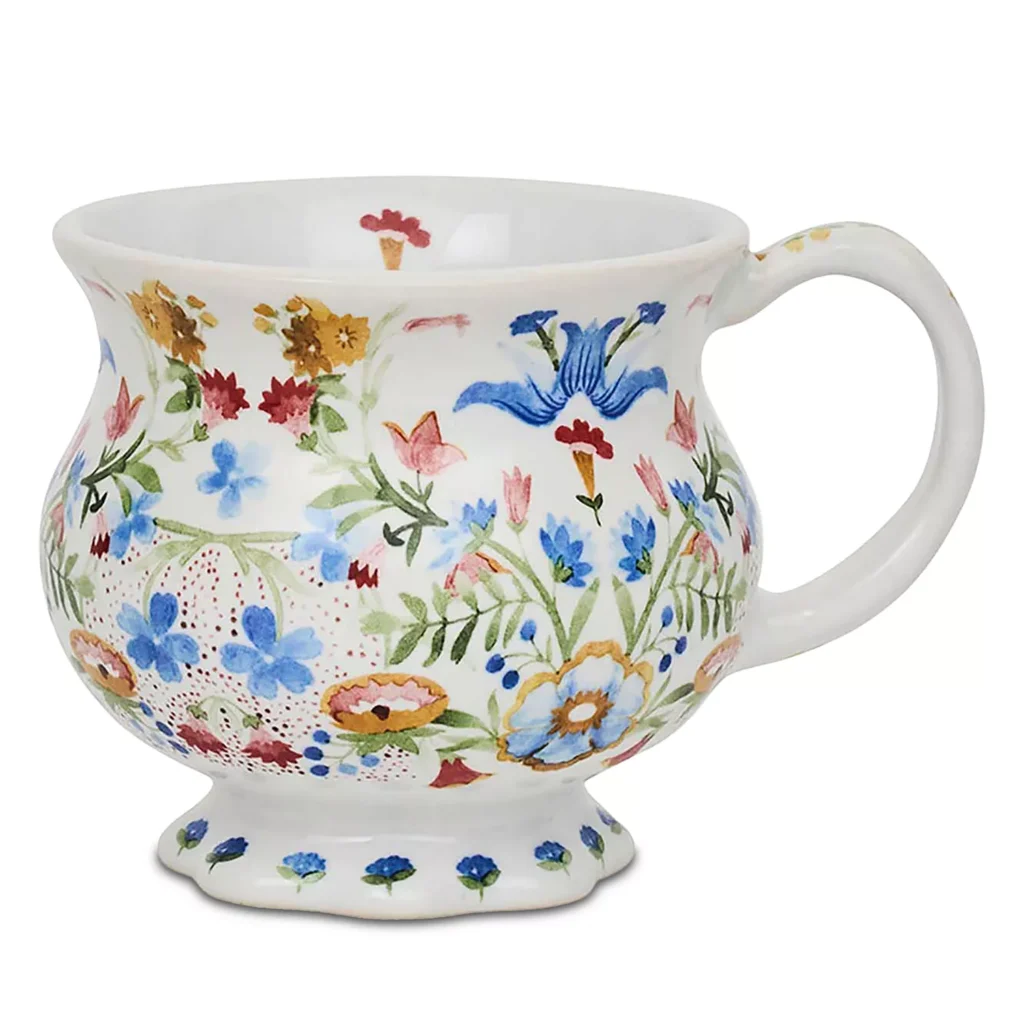
The mug with the floral pattern sits ready to use, not stacked in a cabinet. One beautiful cup, not a collection. When you keep only one mug on the station, making tea becomes more deliberate. You can’t grab the chipped mug hiding in the back of the cupboard. You use the good one.
The Electric Kettle Advantage
An electric kettle untethers your tea station from the kitchen. You need an outlet, not a stove. That single shift opens up every room in your home.
In a home office, a tea station on a side table means you don’t have to leave your workspace to make a fresh cup. The break happens without breaking focus. In a bedroom, it transforms a nightstand into a quiet morning ritual space. No trudging to the kitchen before you’re ready to face the day.
On a balcony or screened porch, the tea station becomes an outdoor luxury. Fresh air, a book, and the ability to brew a second cup without going back inside. The electric kettle makes it possible.
This pink SMEG kettle specifically carries design weight. The curved retro silhouette and the bold lettering make it a focal point, not just a tool. When the kettle itself is beautiful enough to display, the whole station elevates.
Small Spaces, Full Experience
This tea station fits on a tray measuring roughly 18 inches across. That’s less real estate than most cutting boards. A studio apartment, a dorm room, a small home office—none of these spaces have room for a full coffee bar, but all of them can accommodate a compact tea setup.
The key is vertical thinking. The kettle provides height. The glass canister adds another layer. The sugar bowl and creamer pitcher cluster low. This creates visual interest without sprawl.
When counter space is limited, the tray also makes the station portable. You can slide the entire setup onto a shelf when you need the surface for something else, then bring it back out when you want tea. Everything stays organized. Nothing gets separated or lost.
Choosing Materials That Matter
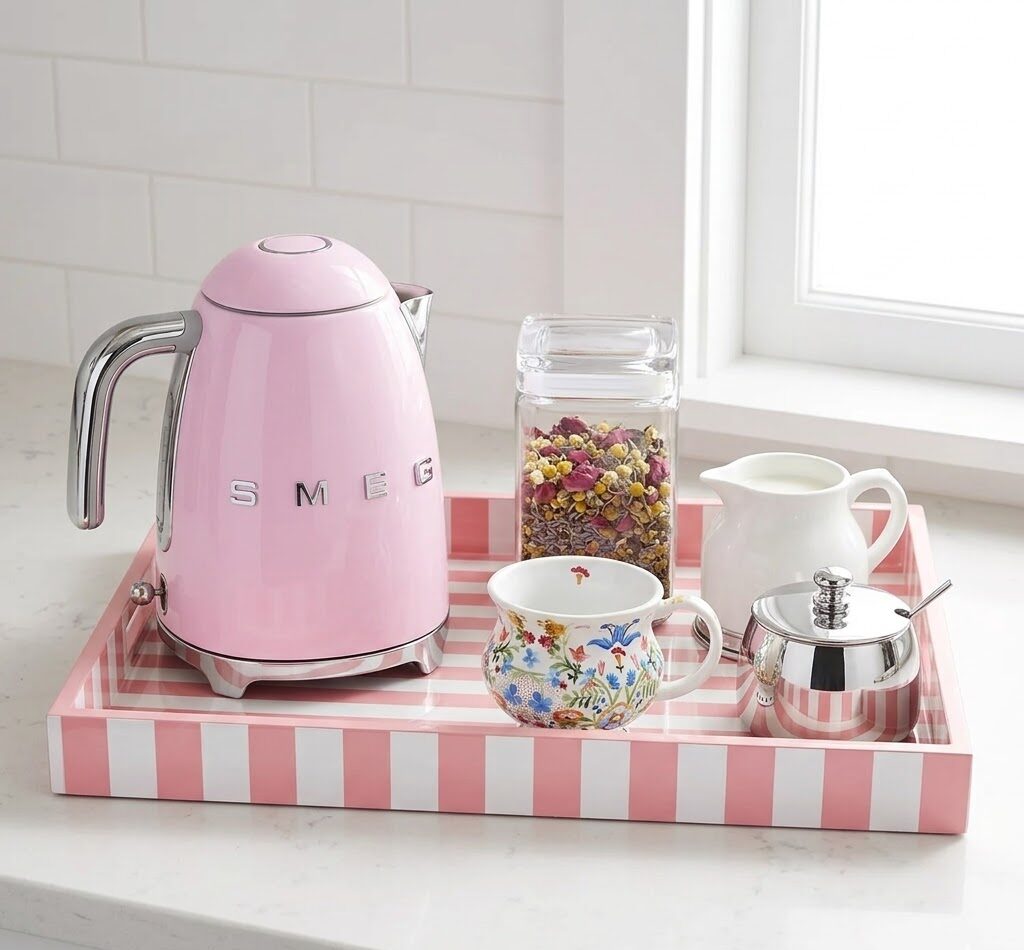
The materials in a tea station set a tone. Glass, ceramic, polished chrome—these aren’t utilitarian choices. They’re selections that say this moment deserves attention.
The glass canister with the square profile feels modern and clean. It shows off the tea inside without feeling precious or fragile. Clear glass also lets you see when you’re running low, so you can restock before you run out mid-ritual.
The white ceramic pitcher and the floral mug soften the overall aesthetic. Where a coffee bar might lean industrial with stainless steel and dark wood, the tea station can afford to be gentler. The white base with silver accents on the pitcher, the hand-painted flowers on the mug—these details introduce warmth without clutter.
The chrome sugar bowl with its polished lid and small spoon adds one element of shine. It catches light, reflects the pink from the kettle and tray, and provides a tactile pleasure when you lift the lid. Weight, coolness, the soft click of metal on metal—all part of the experience.
Color as Intention
Pink isn’t neutral, and that’s the point. A tea station in shades of gray or beige can fade into the background. Pink makes a claim. This space is intentional. This moment matters.
The striped tray pattern adds structure to the color. It’s playful without being childish, graphic without being harsh. The stripes create movement and energy, which keeps the pink from feeling too sweet or too still.
The SMEG kettle in solid pink anchors the palette. It’s the largest, boldest element, and it doesn’t apologize. That confidence gives you permission to be more personal with the rest of your choices. The floral mug doesn’t need to match the pink exactly. It just needs to feel like it belongs to the same mood.
The Ritual, Not Just the Tea
Making tea from a dedicated station changes the texture of the experience. You’re not microwaving water in a mug. You’re not running the tap until it’s almost hot enough. You are choosing loose tea, filling the kettle with fresh water, and waiting while it heats.
That waiting is the ritual. The kettle hums. You watch the steam start to rise. You pour hot water over the leaves and watch the color bloom. None of this is fast, and that’s what makes it different from coffee.
Coffee culture celebrates speed and intensity. Tea asks you to sit with the process. The station reinforces that shift by making every element visible and accessible. You don’t dig through a cabinet for the sugar. It’s already there, in its bowl, waiting. You don’t hunt for a clean mug. The one you love is sitting on the tray.
This setup removes friction without removing intention. Everything is easy to reach, but nothing is rushed.
Where to Put Your Tea Station
Think about where you actually want to drink tea, not where beverage stations are supposed to live. The kitchen is convenient, but it’s not always the right answer.
A reading nook with a small side table can hold a full tea station. Natural light from a window, a comfortable chair, and the ability to make a fresh cup without getting up—that’s the ideal setup for a long afternoon with a book.
Next to a home office desk, a tea station creates a boundary between work time and tea time. You physically turn away from your screen, make your tea, and let it steep while you take a real break. The visual break from your monitor matters as much as the caffeine.
On a balcony or patio, the tea station extends your outdoor living space into mornings and evenings when you might not otherwise use it. Early morning tea outside while the air is still cool. Evening herbal blend as the sun sets. The electric kettle makes both possible without running a cord from the kitchen.
In a bedroom, a nightstand tea station transforms your morning routine. You can start the kettle from bed, make your tea while you’re still in pajamas, and ease into the day at your own pace. No rushing to the kitchen. No noise if someone else is still sleeping.
What to Include in a Tea Station
A functional tea station requires surprisingly little.
Start with these basics:
• Electric kettle for quick hot water
• Loose tea storage like glass jars or tins
• One favorite mug ready for daily use
• Tea infuser or strainer
• Sweeteners such as sugar, honey, or agave
• Small tray or surface to keep everything contained
From there you can add small luxuries like a creamer pitcher, lemon dish, or tea scoop.
shopping sources
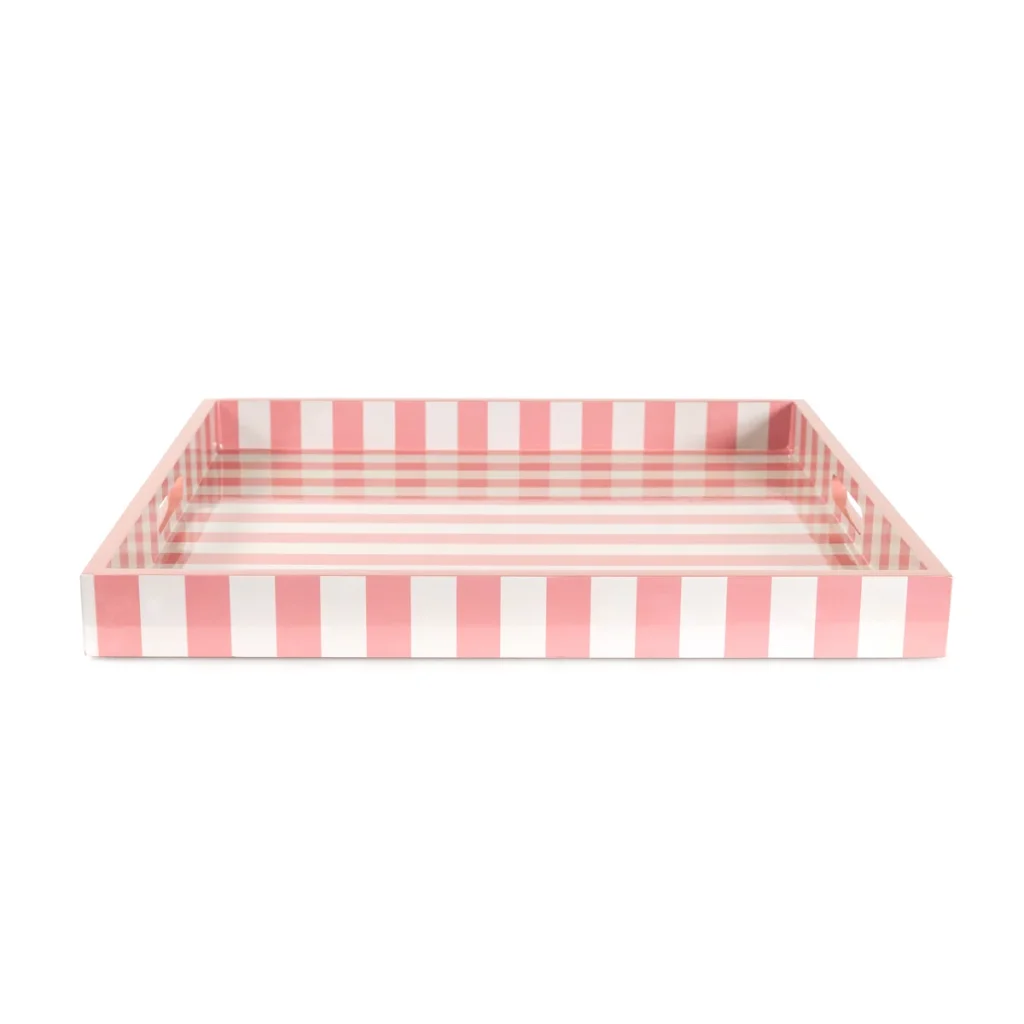
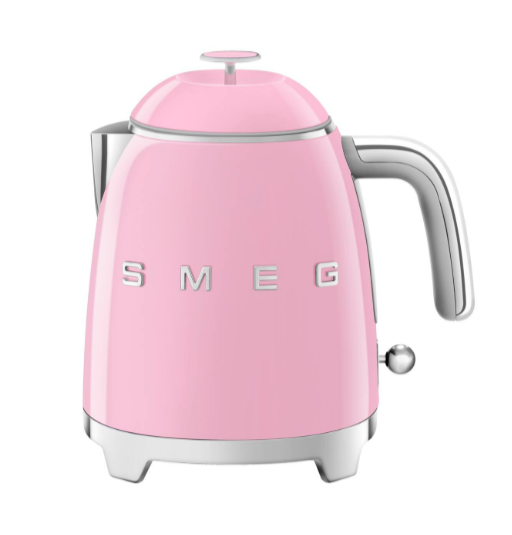
The tray contains and organizes, but you could set everything directly on a surface. The creamer pitcher is lovely, but you could keep a small container of milk in a nearby mini fridge. The sugar bowl adds elegance, but a small jar would work just as well.
What you can’t compromise on is the quality of the kettle and the visibility of your tea. A cheap kettle that takes forever to boil or shuts off too early will kill the ritual. Hidden tea that you forget you own won’t get used. Those two elements are worth investing in.
The SMEG kettle here is an investment piece, but it’s also a workhorse. The precise temperature control matters for delicate green and white teas. The keep-warm function means you can make a second cup without reheating. And because it’s genuinely beautiful, it never gets shoved into a cabinet.The FLOWS framework applies to tea stations just as effectively as coffee bars. Fully stocked means having your preferred tea, sweetener, and any additions within arm’s reach. Layered creates visual interest through varying heights—kettle, canister, sugar bowl. Organized keeps everything contained on the tray so nothing migrates across the counter. Within reach ensures you never have to leave the station to complete the ritual. Styled makes the station beautiful enough that you want to keep it visible, not hidden in a cabinet when guests come over.
Loose Tea Storage and Organization Ideas
Loose tea looks beautiful when it’s stored well. Clear glass canisters allow you to see the color and texture of the leaves while keeping them fresh.
Some simple organization ideas include:
• Square glass jars that stack neatly on trays or shelves
• Tea tins that protect delicate leaves from light
• Drawer dividers for tea bags and infusers
• Labelled jars if you keep multiple varieties
Building Your Own Version
Your tea station should reflect what you actually drink and how you actually move through your day. If you only drink herbal tea at night, set it up in your bedroom. If you drink green tea all day while you work, put it in your office.
Start with a single type of tea you love. Don’t try to stock six varieties at once. One canister of excellent loose leaf you’ll actually finish is better than six jars of tea you forget about. As you use the station regularly, you’ll learn what you reach for and what sits untouched.
Choose a tray or small surface that feels proportional to the space. A large rectangular tray works for a kitchen counter or sideboard. A round tray might fit better on a small side table. A narrow tray could sit on a windowsill or bookshelf.
Select one mug that makes you happy every time you use it. Not a set of mugs, not the whole collection—one perfect cup. When you limit yourself to a single option, you stop making decisions and start making tea.
Add only what serves the ritual. If you drink tea plain, skip the sugar bowl and creamer pitcher. Perhaps you like honey, keep a small jar with a wooden dipper. If you prefer lemon, keep a small dish for slices. Each addition should have a clear purpose.
A tea station creates permission to pause. The ritual takes five minutes from filling the kettle to the first sip, but those five minutes establish a rhythm that carries through the rest of your day. The station itself is a reminder that some moments deserve to be savored, not rushed.