Spritz Bar Station
Spritz Bar Station: Italian Aperitivo Culture at Home
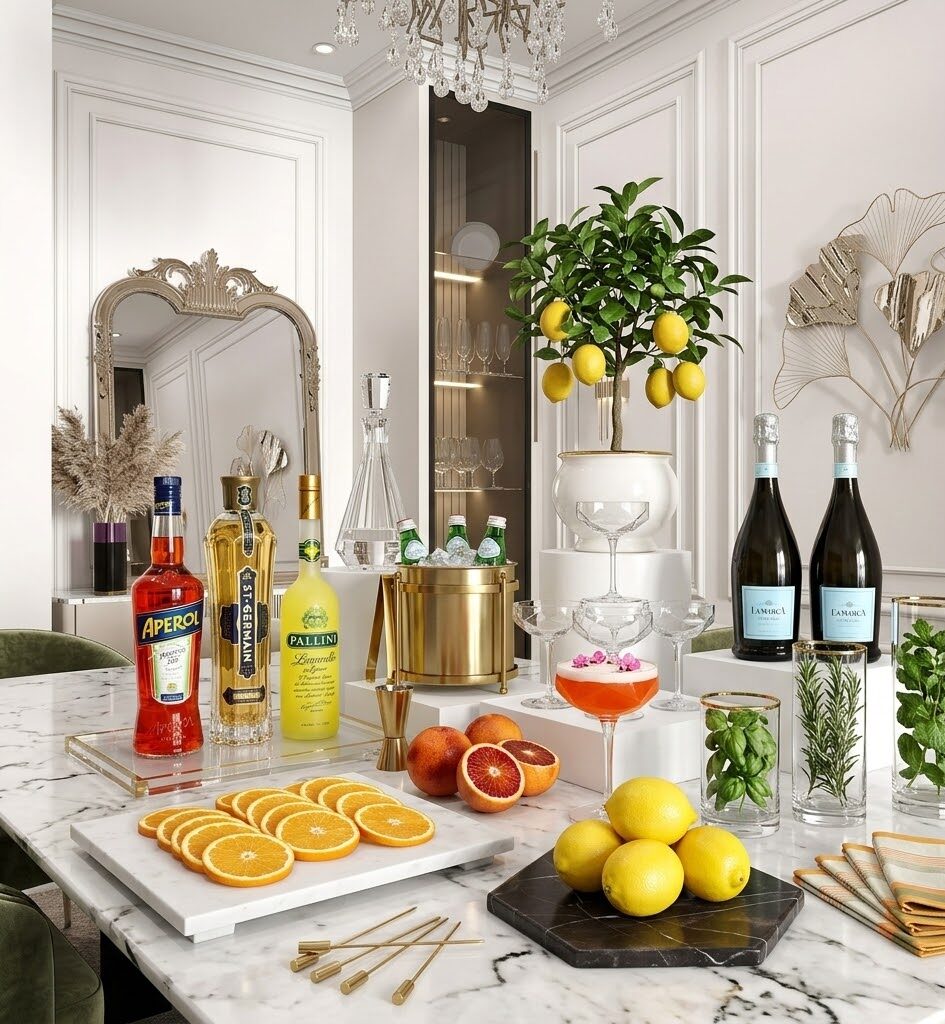
A spritz bar station recreates the ritual of Italian aperitivo hour—the 6-8pm transition from work to evening where locals gather at neighborhood bars in Rome, Milan, and Venice to sip low-ABV bitters, graze on small plates, and linger over conversation.
The Barbieri brothers created Aperol Spritz in 1950s Padua, but the tradition stretches back to 1800s Venice when locals added a “spritz” (splash) of water to wine, a habit introduced during Austrian occupation. That evolved into Italy’s aperitivo culture: self-serve abundance, choosing your own bitter, and drinks designed for extended socializing rather than quick consumption.
Most spritz bar content treats setup like decoration—orange slices, a bottle of Aperol, and a tray that photographs well but doesn’t function.
The result: guests wait for you to play bartender instead of building their own drinks.
That approach leaves you with a drink station that looks random instead of intentional, where guests stand awkwardly waiting for you to play bartender instead of building their own drinks and moving through the space naturally.
Here’s what changes everything: understanding that a spritz bar isn’t about one cocktail recipe.
It’s about translating the social infrastructure of Italian aperitivo culture—the conditions that make people linger, graze, and actually talk to each other—into a self-serve station setup.
At aperitivo bars throughout Italy, you don’t order a specific drink from a bartender. You choose your bitter (Aperol for classic orange, Campari for more intense, Select for Venetian style), and the bar builds your spritz while you claim your spot at a marble-topped table.
The ritual isn’t about the bartender’s skill. It’s about the choice, the moment of selection, the drink that stretches across two hours of conversation instead of disappearing in twenty minutes.
When you set up a spritz bar station at home, you’re not just serving drinks. You’re creating the aperitivo conditions: multiple bitter options so guests personalize their choice, self-serve abundance so no one waits in line, visual cues that signal this is aperitivo hour (not a backyard cookout), and low-ABV drinks that support extended socializing rather than rushing toward dinner.
Three Spritz Types, Three Station Zones
The genius of Italian aperitivo bars isn’t offering one perfect cocktail. It’s offering choice within a clear framework.
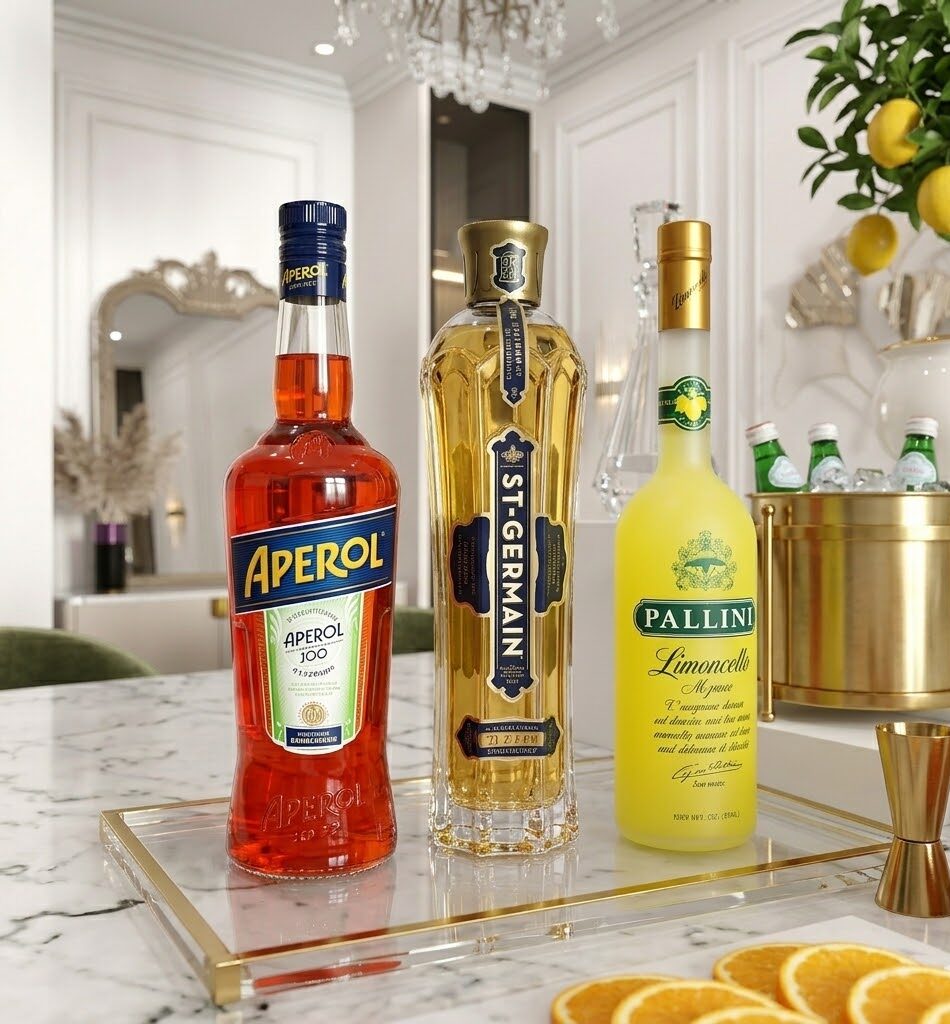
Walk into a salon in Rome during aperitivo hour and you’ll see the same setup: bottles of Aperol, St-Germain, Campari, and regional variations lined up behind the bar, prosecco chilling, soda water ready. Guests choose their bitter, the bartender builds the spritz, conversation begins.
A spritz bar station replicates that structure. Three liqueur options create three distinct spritz variations, each with its own flavor profile and visual identity. This isn’t about overwhelming guests with twelve drink options. It’s about giving them meaningful choice within an elegant constraint.
Aperol Spritz delivers the classic Italian aperitivo experience. Aperol’s bittersweet orange flavor comes from rhubarb, gentian, and cinchona bark, creating the drink’s signature burnt-orange color and low alcohol content.
Combined with prosecco and soda water, it’s refreshing without being cloying, bitter without being aggressive. This is the spritz most guests recognize, the one that anchors the entire station.
The visual cue: that unmistakable orange glow in a glass, the color of a Roman sunset without the sentimentality.
Hugo Spritz offers a floral, lighter alternative. St-Germain elderflower liqueur replaces Aperol, creating a drink that’s more delicate and aromatic. The elderflower’s subtle sweetness pairs with prosecco’s acidity and a fresh mint garnish.
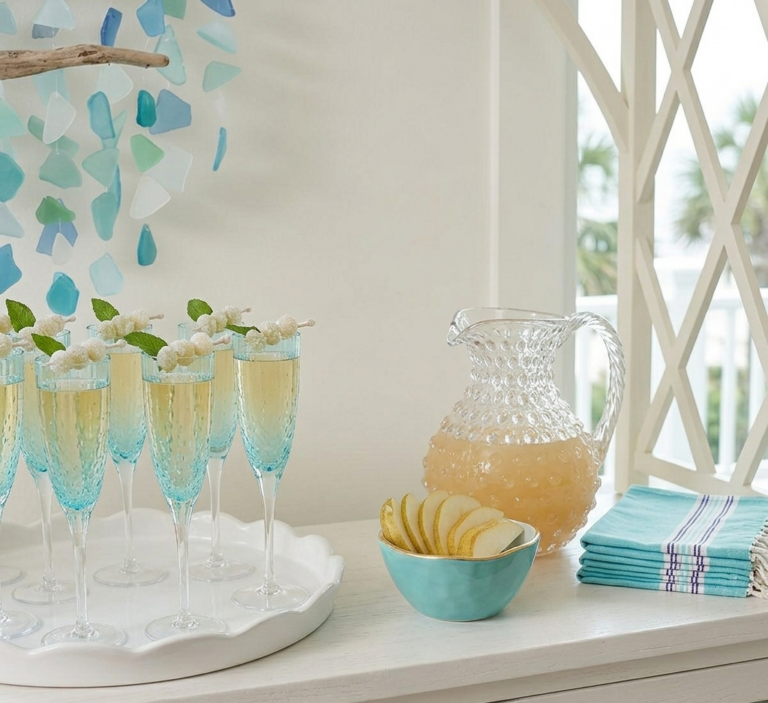
Guests who find Aperol too bitter gravitate here. The visual cue: pale golden liquid, mint sprig standing upright, a drink that looks as elegant as it tastes.
Limoncello Spritz brings citrus-forward brightness. Limoncello’s intense lemon flavor (made from lemon zest, alcohol, and sugar) creates a drink that’s more dessert-adjacent than bitter aperitif, but still light enough for aperitivo hour.
This is the option for guests who want sweet without losing the spritz structure. The visual cue: bright yellow, almost neon in certain light, with a lemon wheel garnish that reinforces the citrus commitment.
Three liqueurs, three flavor profiles, three visual identities. Guests understand their options immediately without needing a menu card or your explanation. The station communicates choice through color and bottle placement.
Aperitivo Architecture: The Lemon Tree as Vertical Anchor
Italian aperitivo bars understand vertical space. Walk into a Roman salon during aperitivo hour and you’ll see potted citrus trees flanking the bar entrance, shelves of glassware rising behind the bartender, bottles displayed at varying heights.
The vertical elements aren’t decorative accidents. They’re spatial cues that transform a bar from a functional drink station into a gathering point worth lingering around.
A spritz bar station needs the same architectural thinking. Without vertical elements, everything sits at table level—a flat expanse of bottles and bowls that doesn’t draw the eye or create visual interest. The setup reads as temporary, something you threw together rather than designed with intention.
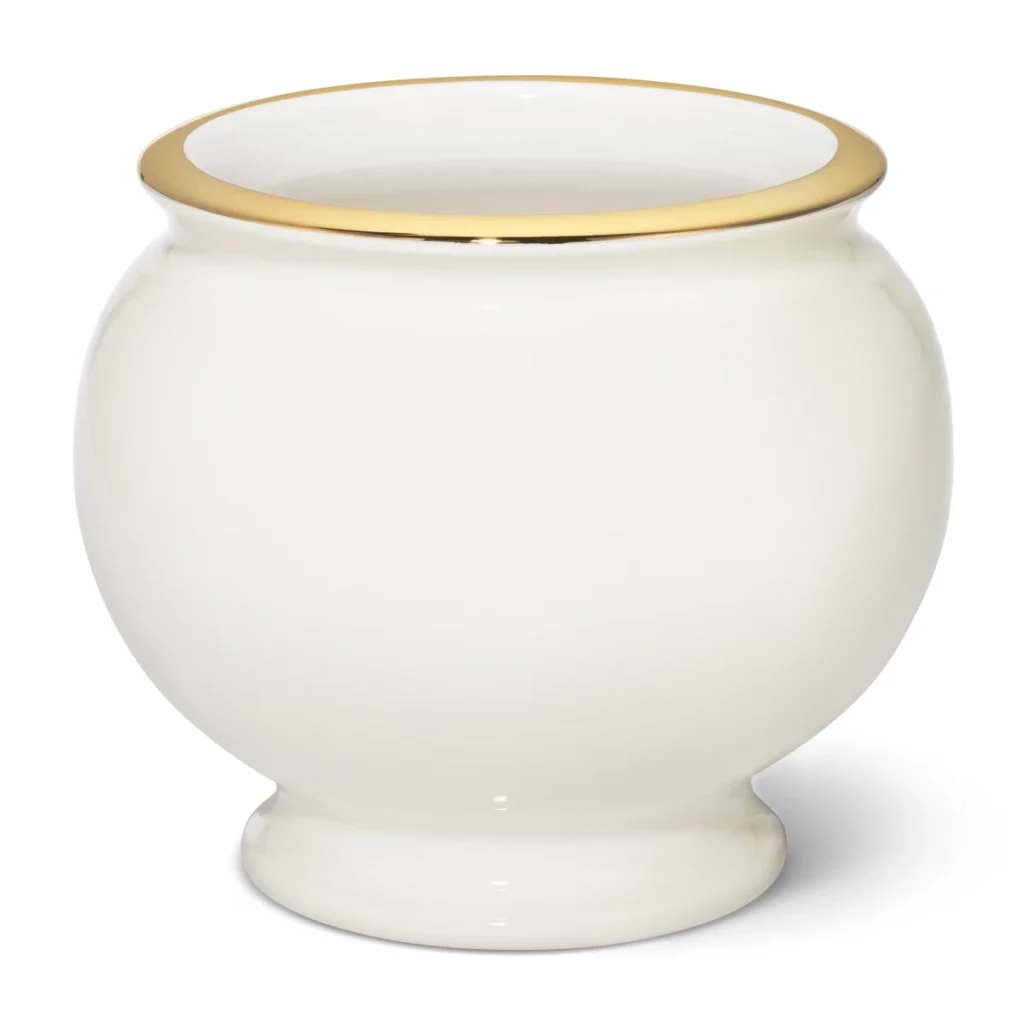
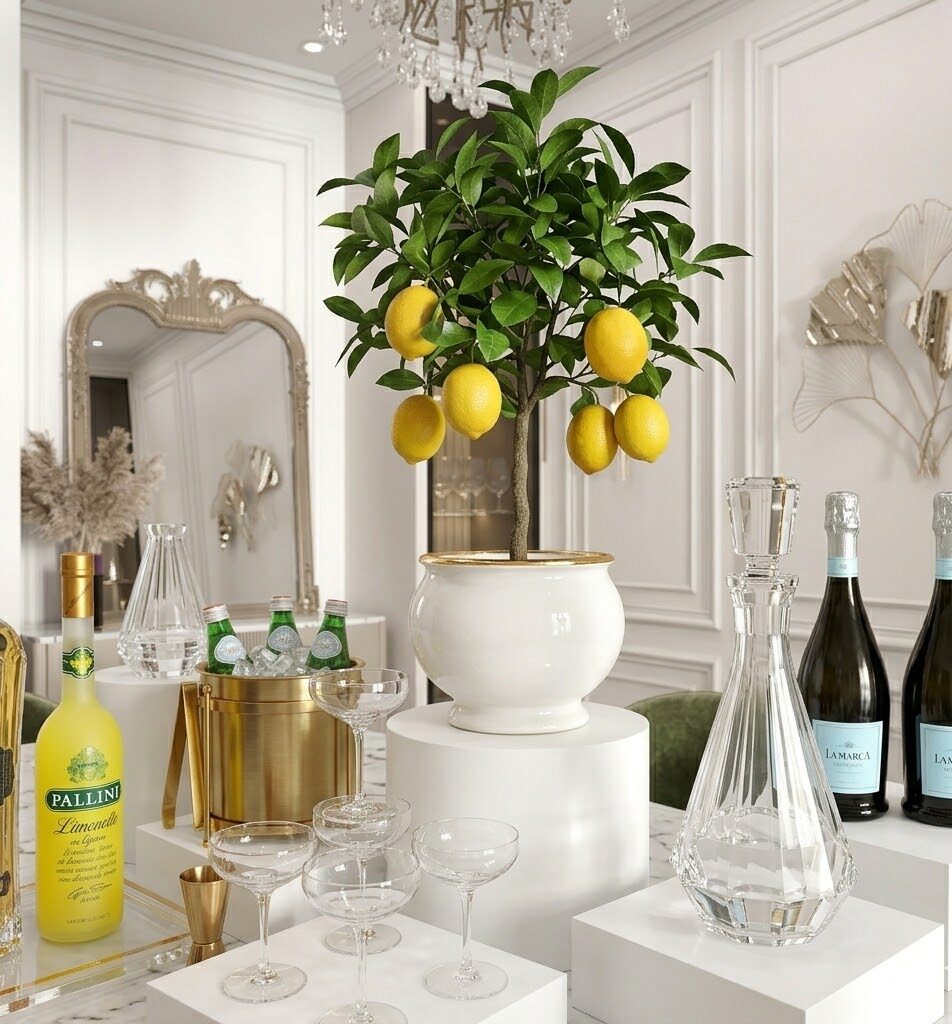
The lemon tree solves this. A dwarf lemon tree in a white ceramic cachepot with a gold rim becomes the station’s vertical anchor, the element that makes everything else make sense.
The tree sits on the tallest riser at the back of the setup, its branches extending upward while lemons hang at varying heights. The visual effect: the station has layers, depth, a sense that this is aperitivo hour, not a drink table at a backyard barbecue.
The lemon tree isn’t symbolic. It’s functional architecture. It gives guests a focal point as they approach the station, creates a backdrop for the bottles and glassware arranged in front of it, and reinforces the citrus theme without requiring explanation.
You don’t need to tell guests this is an Italian-inspired setup when there’s a lemon tree behind prosecco bottles and Aperol.
The cachepot matters. White ceramic with a gold rim reads as elegant restraint—the kind of container you’d see in a Milan apartment or a Venetian courtyard, not a terra cotta pot from a garden center.
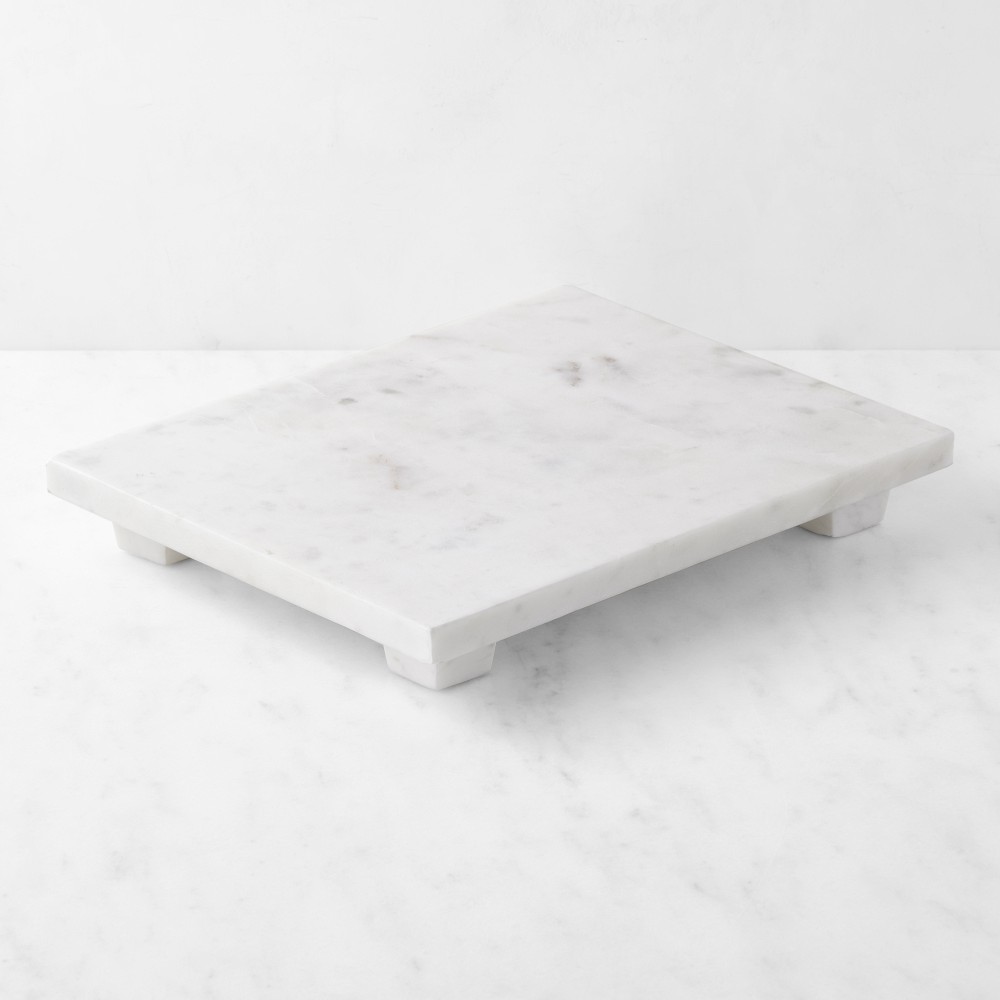
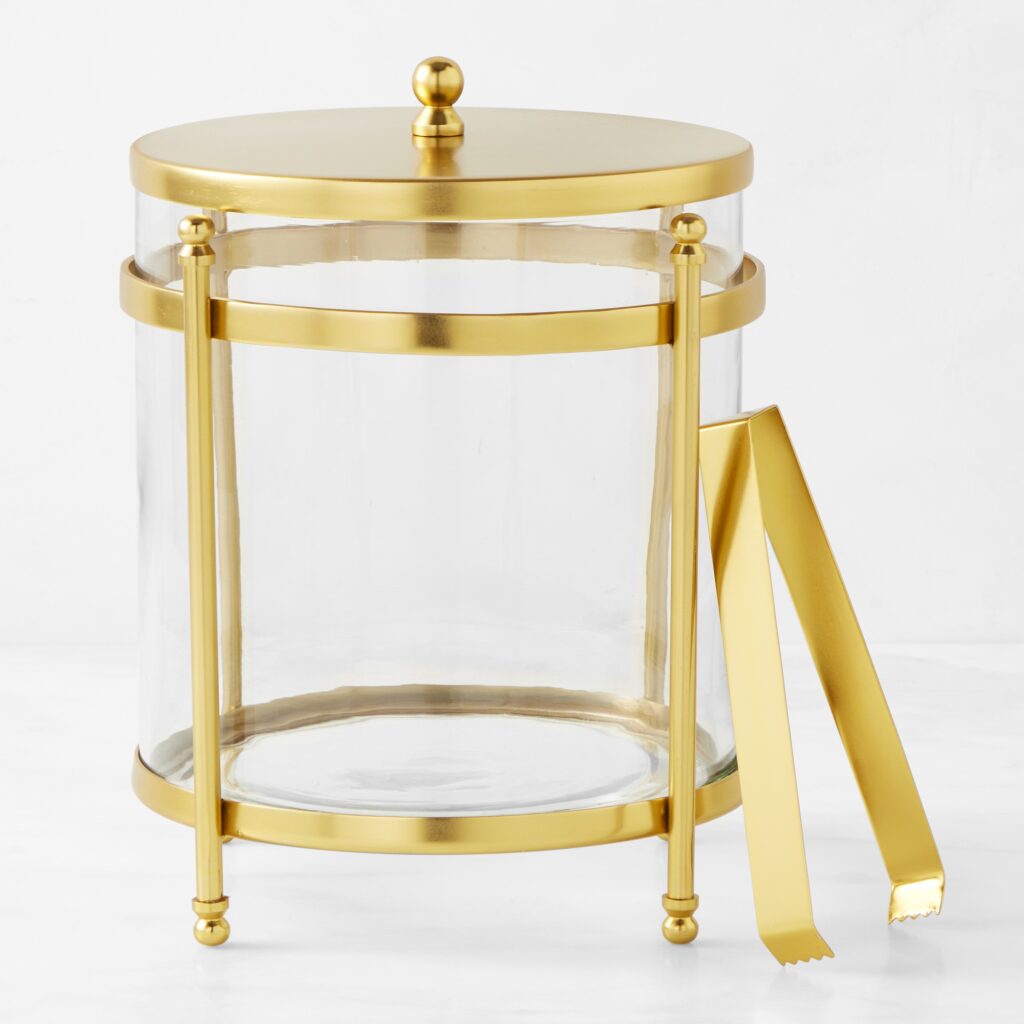
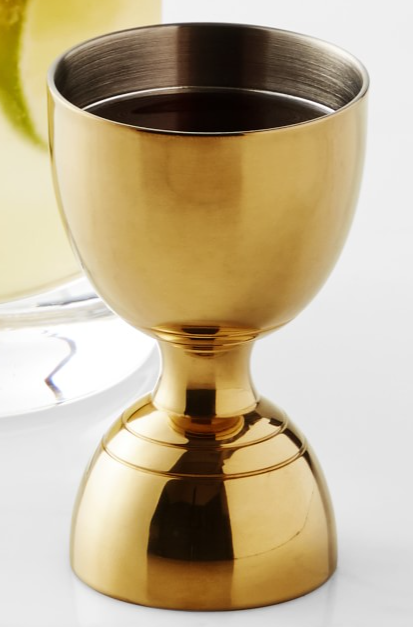
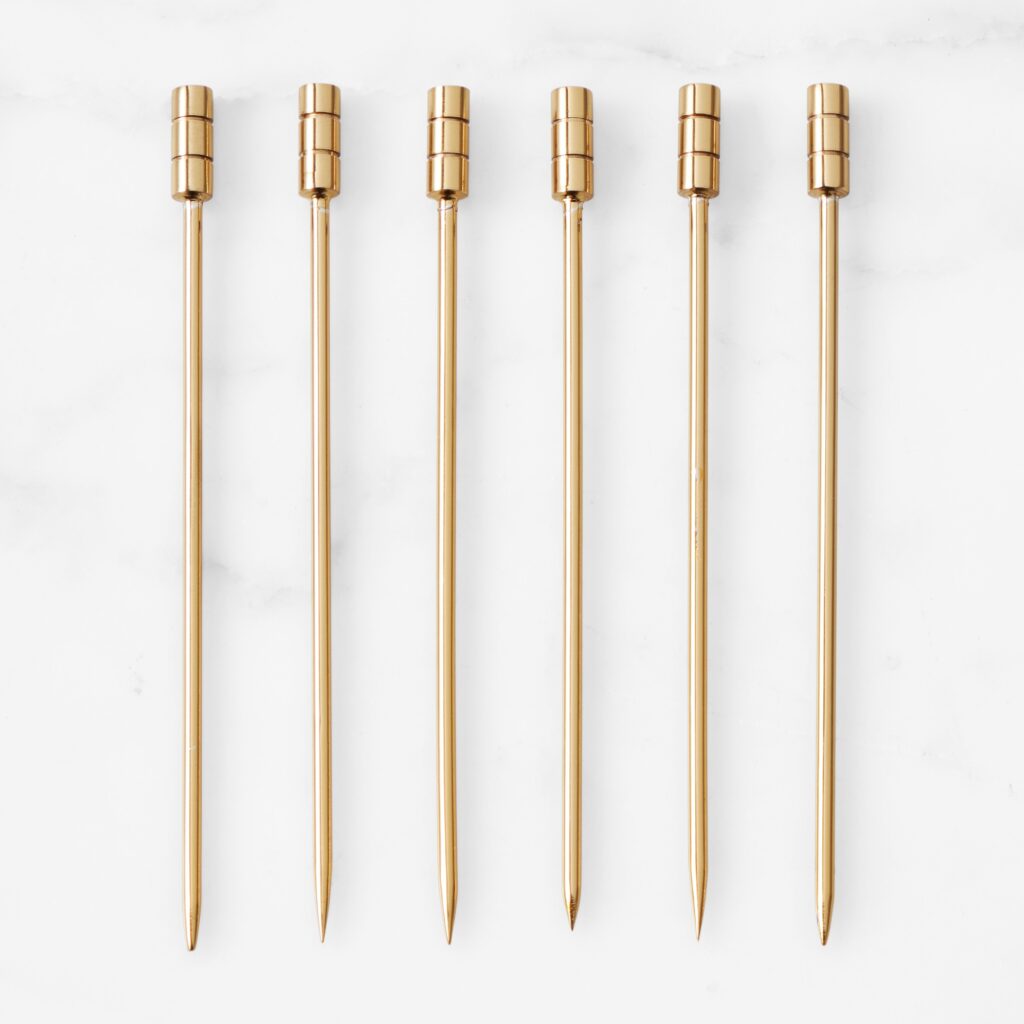
The gold rim connects to the brass ice bucket, the brass jigger, the brass cocktail picks scattered across marble boards. Metallic continuity keeps the setup cohesive.
The FLOWS Method: How Aperitivo Station Architecture Actually Works
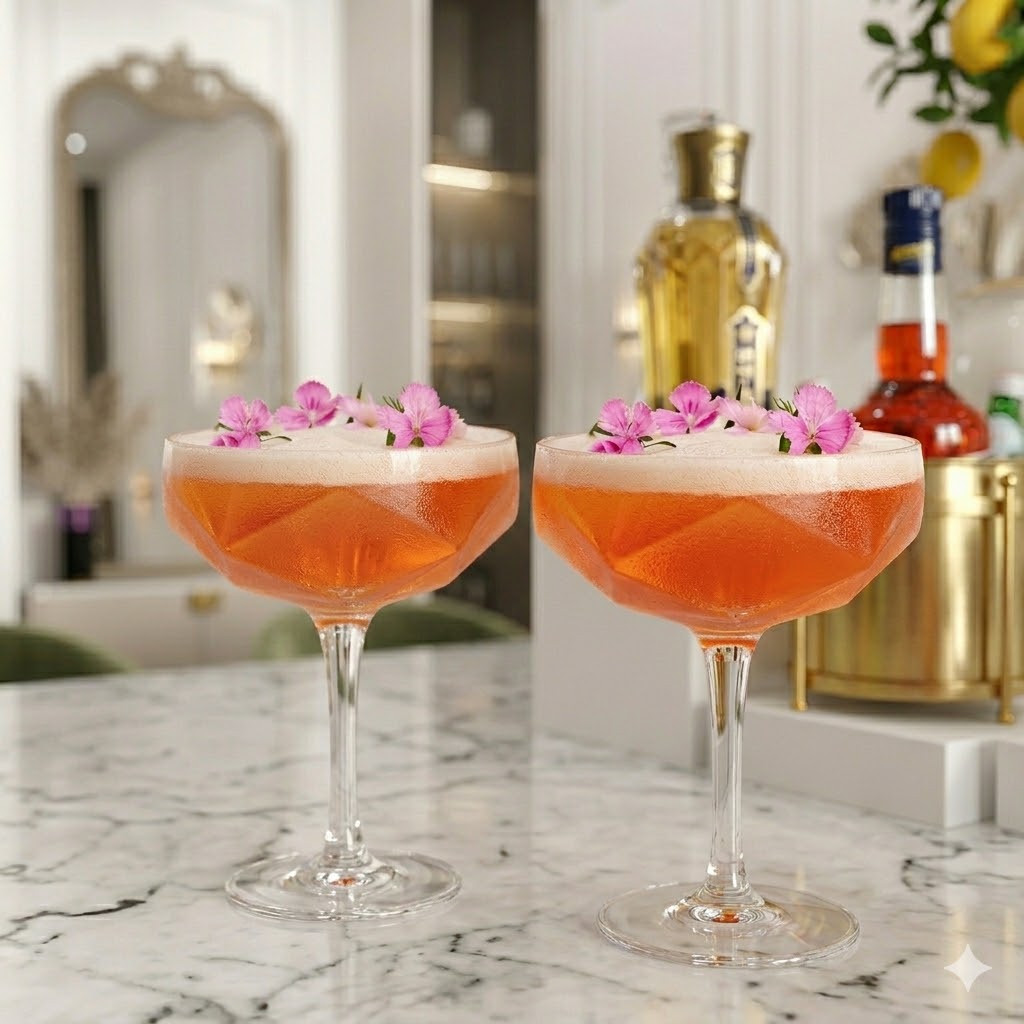
The goal: guests understand how to build a drink in 3 seconds without asking you a single question.
The FLOWS methodology—Fully Stocked, Layered, Organized, Within Reach, Styled—ensures a spritz bar station functions like an Italian aperitivo bar rather than a drink table guests avoid because they can’t figure out how it works.
FLOWS
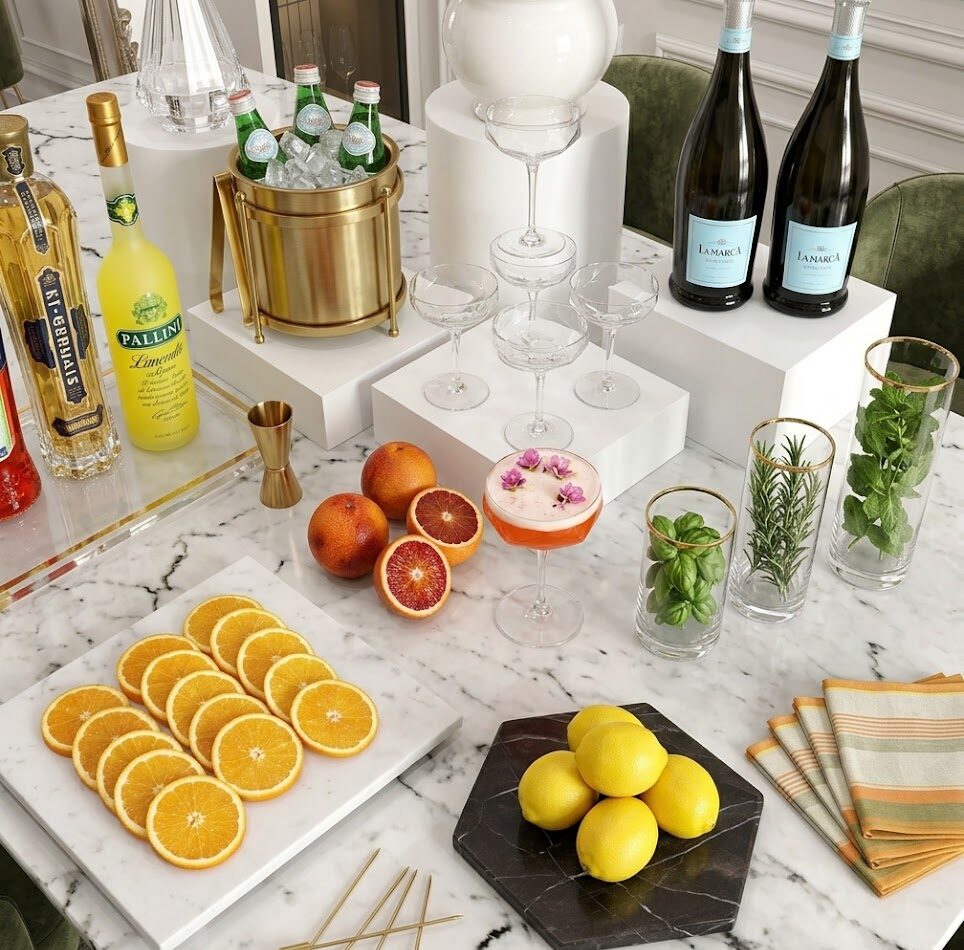
Fully Stocked means anticipating volume and variety without creating clutter. Three liqueur options require full bottles visible (not half-empty bottles that signal you ran out). Prosecco needs at least two bottles chilling.
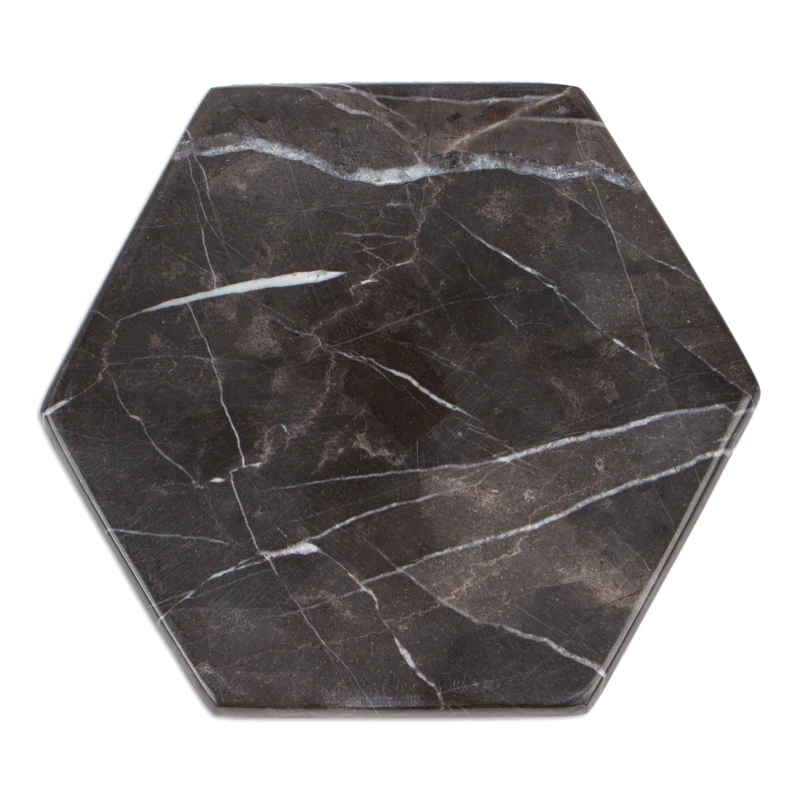
San Pellegrino bottles rest in ice because soda water loses carbonation quickly in an open container. Garnishes—orange slices fanned on white marble, lemons stacked on black marble, fresh herbs standing in glass cylinders—are abundant enough that guests don’t worry about using the last one.
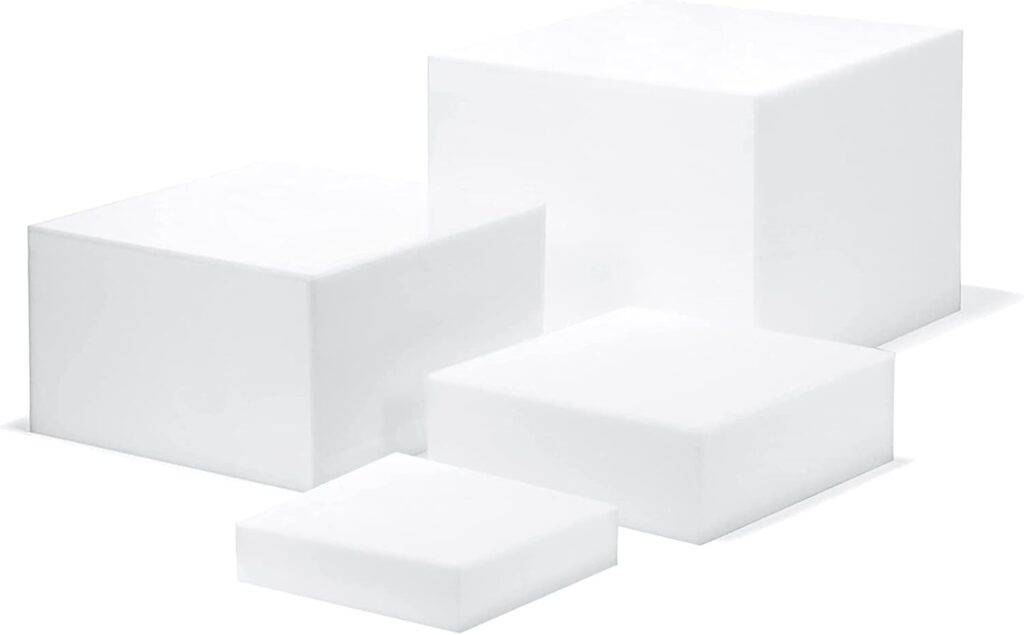
Layered creates the vertical architecture Italian bars use to make spaces feel intentional. White cylindrical risers place the lemon tree at the back, the ice bucket and liqueur bottles at mid-height, garnishes and glassware at table level.
Guests see everything at once without items hiding behind each other, and the height variation creates visual interest that makes the station worth photographing.
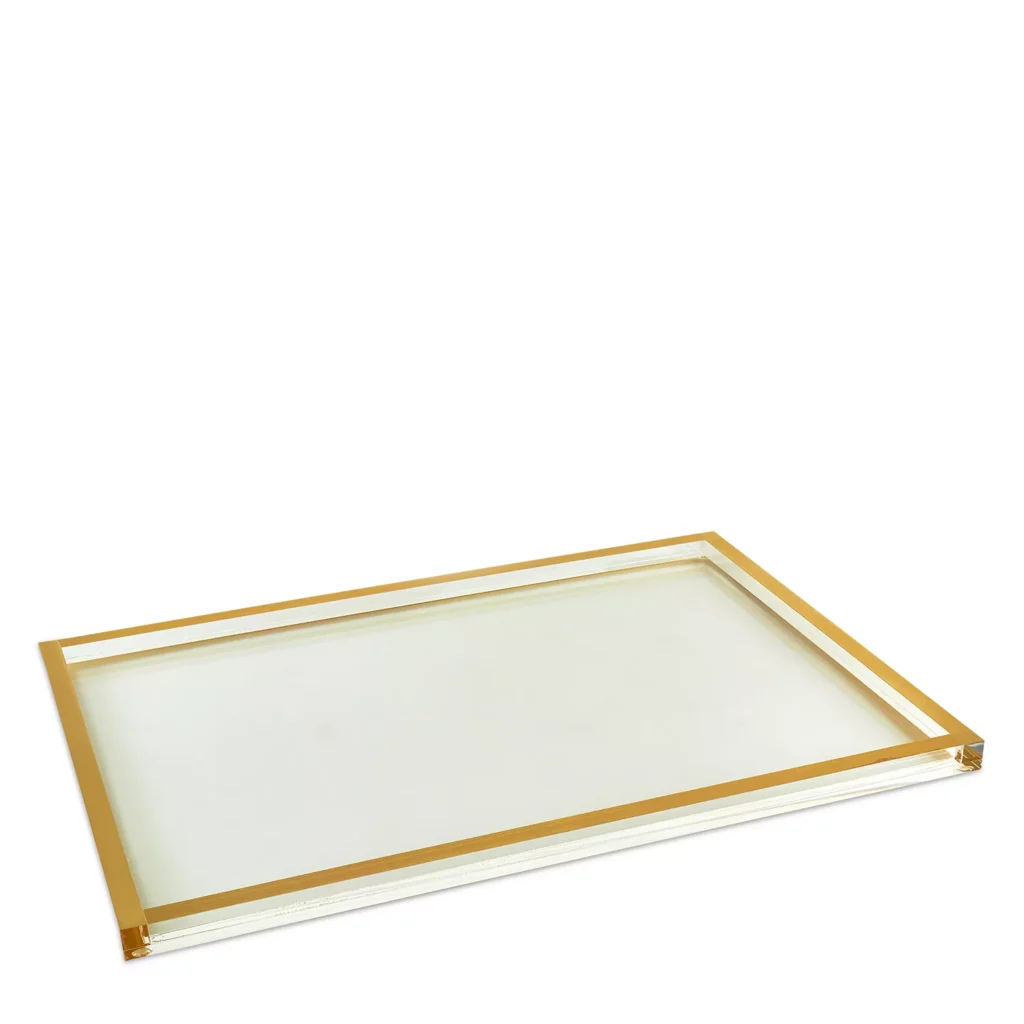
Organized assigns each spritz type its own zone. Aperol, St-Germain, and Limoncello bottles stand together on a lucite and brass tray, but guests understand they’re choosing one bottle, not mixing all three. Prosecco and San Pellegrino bottles occupy separate zones.
Garnishes cluster by type—citrus on marble boards, herbs in cylinders—so guests navigate intuitively without asking where to find mint or whether they can use the oranges near the lemons.
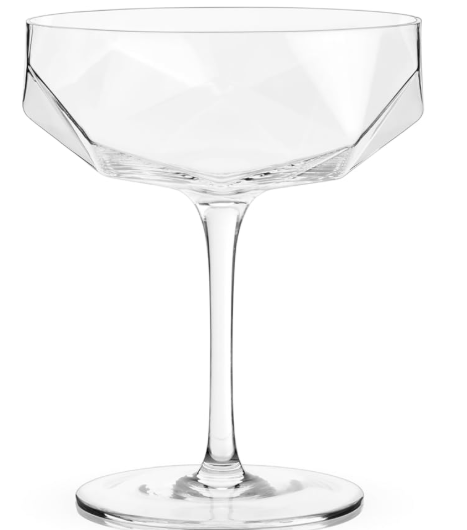
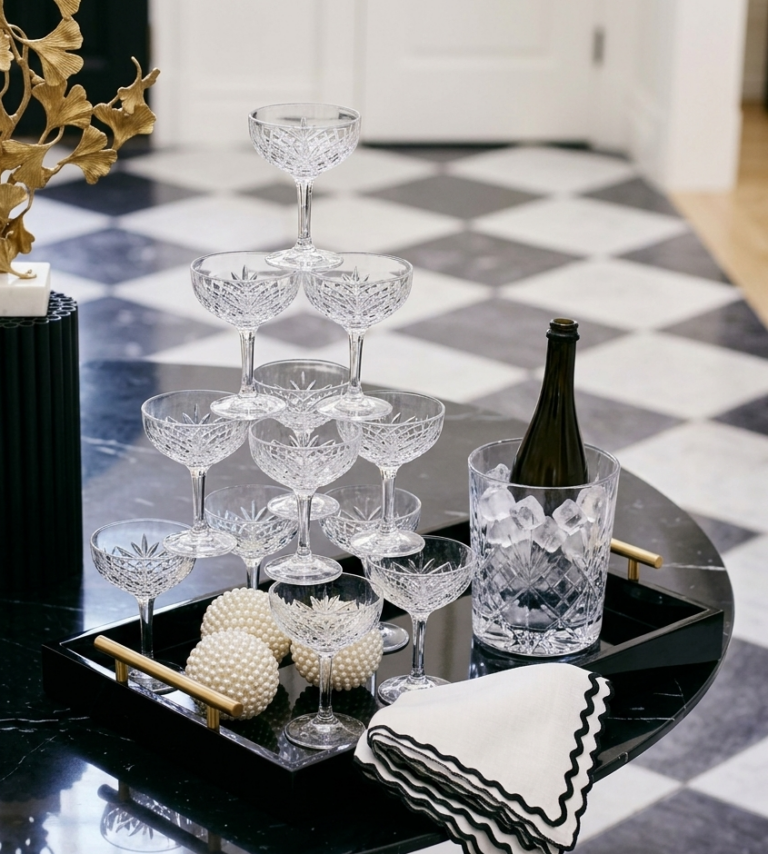
Within Reach means self-serve functionality without bottlenecks. The ice bucket sits center-left where everyone can access it. Prosecco bottles stand upright on a riser. Faceted coupes stack at table level. Garnishes spread across the front edge.
No one reaches across the table or asks someone to pass the soda water. The layout anticipates movement and eliminates friction.
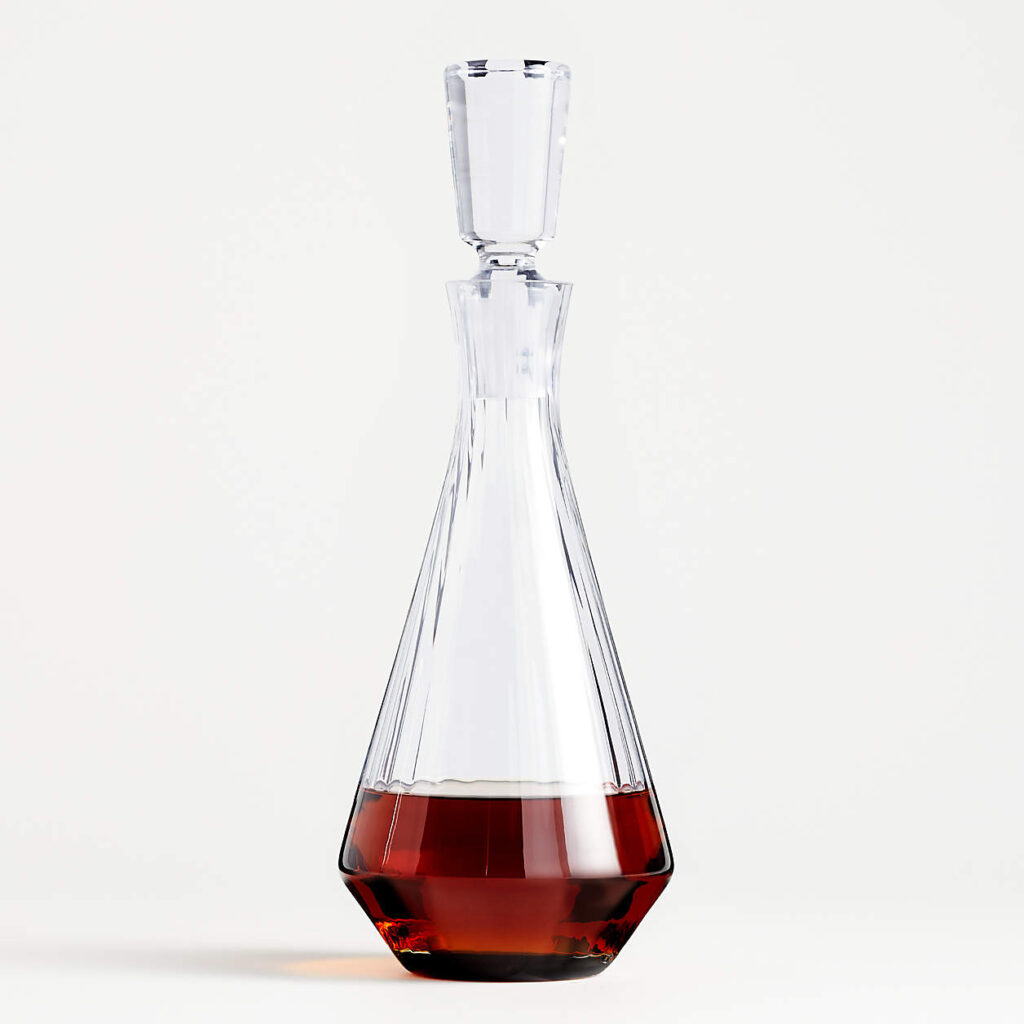
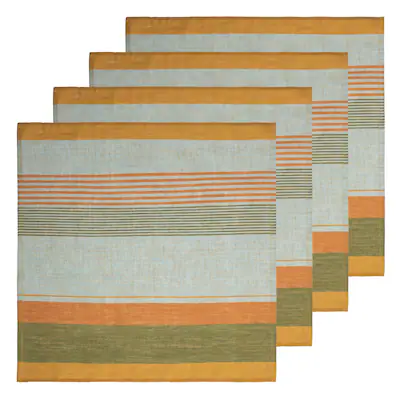
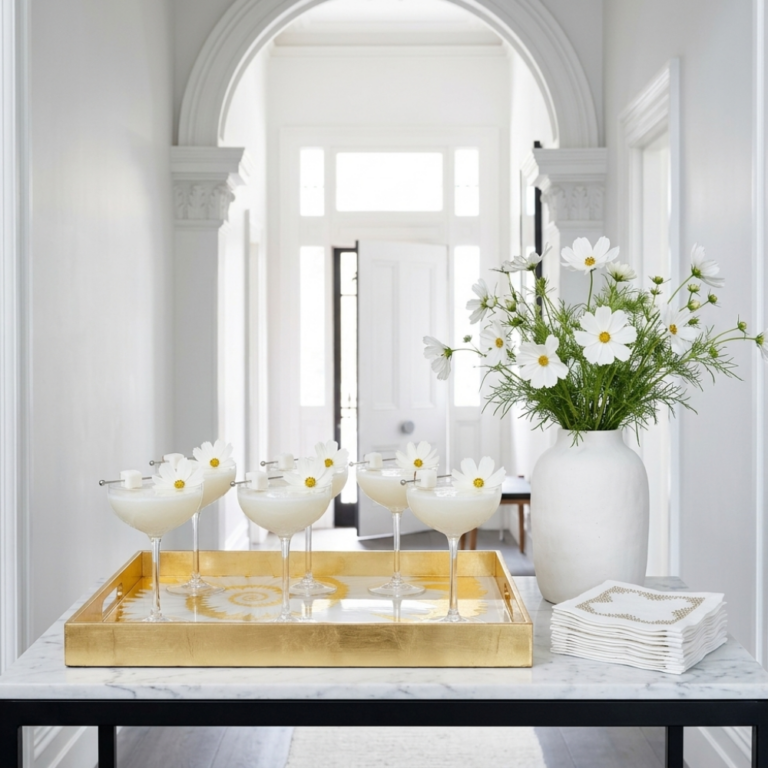
Styled is the polish that signals this is aperitivo hour, not a casual gathering. Striped linen napkins folded in neat squares. Brass cocktail picks resting on marble rather than dumped in a bowl. A crystal decanter holding simple syrup for guests who want their spritz sweeter.
The lemon tree’s branches extending upward rather than drooping. Every element chosen with intention so the station looks like it belongs in a Roman salon, not a Pinterest board.
Why This Translates Italian Aperitivo Culture Instead of Copying It
The difference between replicating an Italian bar and translating Italian aperitivo culture is understanding what actually matters. You can’t recreate a Roman salon’s marble-topped tables, century-old espresso machine, or the grandfather who’s been pouring spritzes since 1963. Trying to copy those specific elements misses the point.
What you can translate: the social conditions. The ritual of choosing your bitter. The self-serve abundance that lets guests build their own drinks without waiting for a bartender.
The low-ABV drinks that support hours of conversation rather than getting drunk quickly. The visual cues—citrus, brass, marble, prosecco bottles—that signal this is aperitivo hour before anyone takes a sip.
Italian aperitivo culture works because it removes friction from socializing. You don’t stand in line. And you don’t wait for a bartender. You don’t nurse a strong cocktail that makes you too tipsy to eat dinner.
You choose your bitter, build your drink, claim a spot at the bar, and stay for two hours because the drink supports lingering rather than rushing.
Spritz Bar Functionality
A spritz bar station that actually works does the same thing. Three liqueur options give guests meaningful choice without overwhelming them. Self-serve setup means no one waits. Abundant garnishes mean guests personalize their drinks.
Faceted coupes elevate the presentation so the drink feels special rather than casual. The lemon tree and brass elements signal this is an event, a shift in the evening’s rhythm, not just another party with drinks.
The cultural translation happens when guests approach the station, pause to look at their options, choose Aperol or St-Germain or Limoncello based on mood rather than someone else’s recommendation, build their drink with an orange slice or a mint sprig, and then stay at the table talking instead of wandering off.
That’s aperitivo hour. It’s what Italian bars figured out over two centuries of practice. That’s what this station recreates without requiring you to move to Rome.