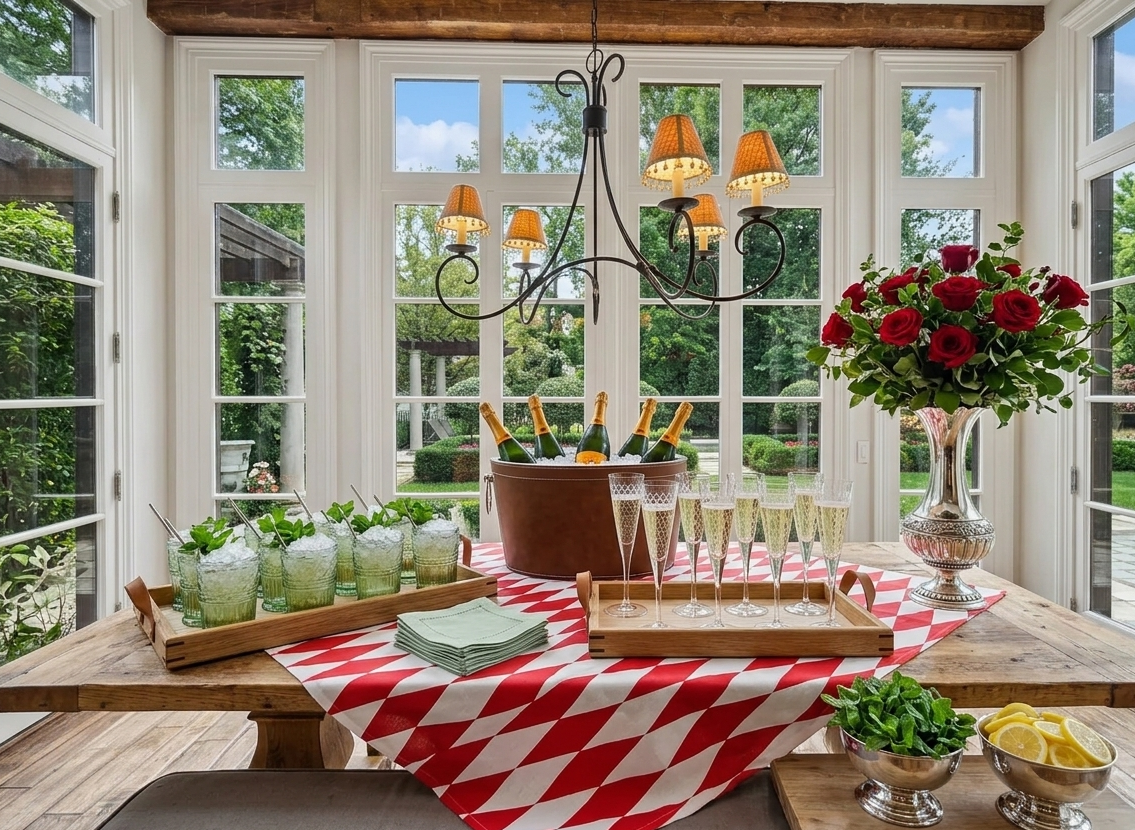
Kentucky Derby Mint Julep Bar
Kentucky Derby Mint Julep Bar: One Station, Done Right
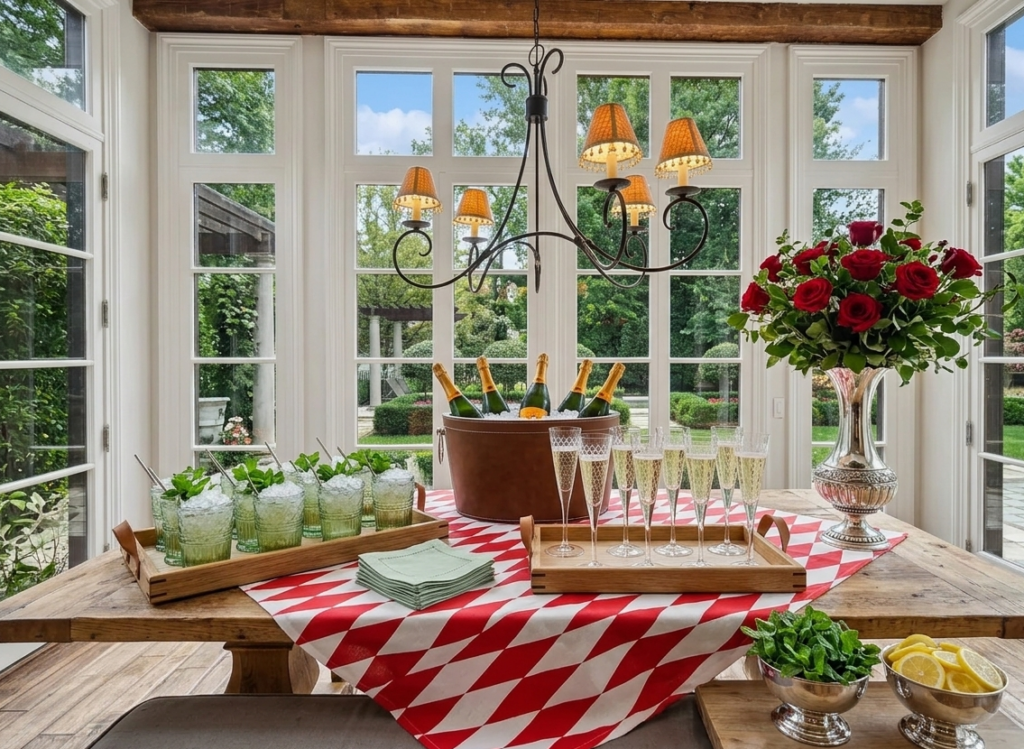
You don’t need to travel to Churchill Downs to create an authentic Derby Day experience. You need one thing done exceptionally well: a mint julep bar that captures the elegance and excitement of race day. This indoor station setup delivers signature drinks, champagne alternatives, fresh roses, and the visual impact that makes guests feel like they’re trackside.
Set up in your sunroom, dining room, or living room, this bar station becomes the centerpiece of your Derby watch party. Guests serve themselves mint juleps or champagne while the race plays on TV. The setup looks professional, feels special, and requires no bartending skills beyond mixing bourbon with simple syrup.
The FLOWS Method structures this station into five essential elements: Fully stocked with drinks and garnishes, Layered with visual depth, Organized for self-service, Within reach of guests, and Styled with Derby authenticity. Each element works together to create a bar that functions smoothly and photographs beautifully.
Fully Stocked: The Essential Drinks
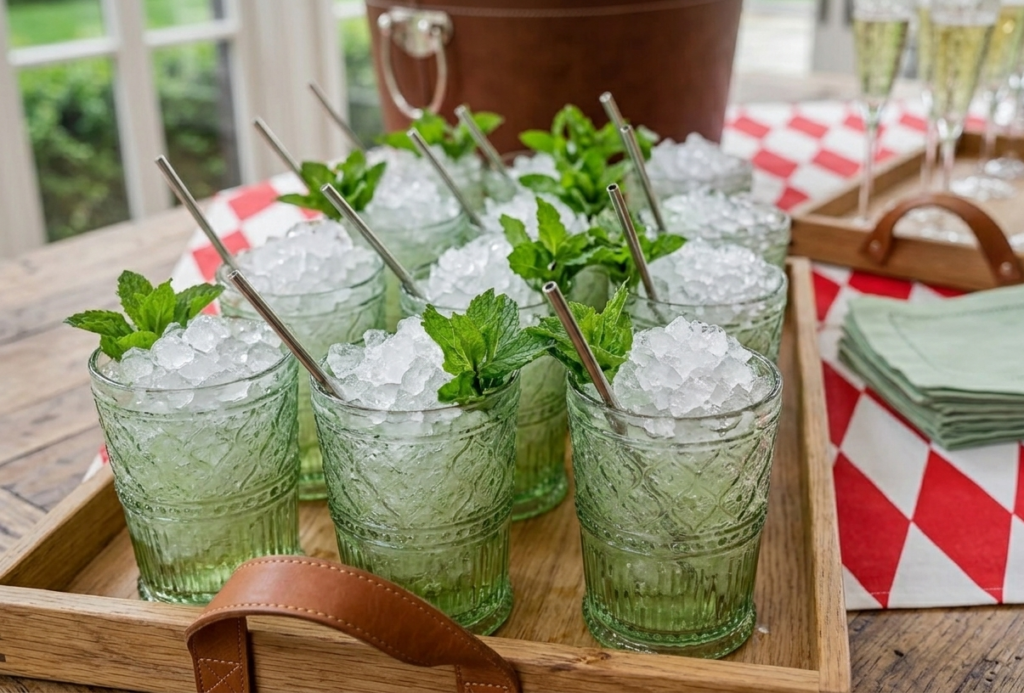
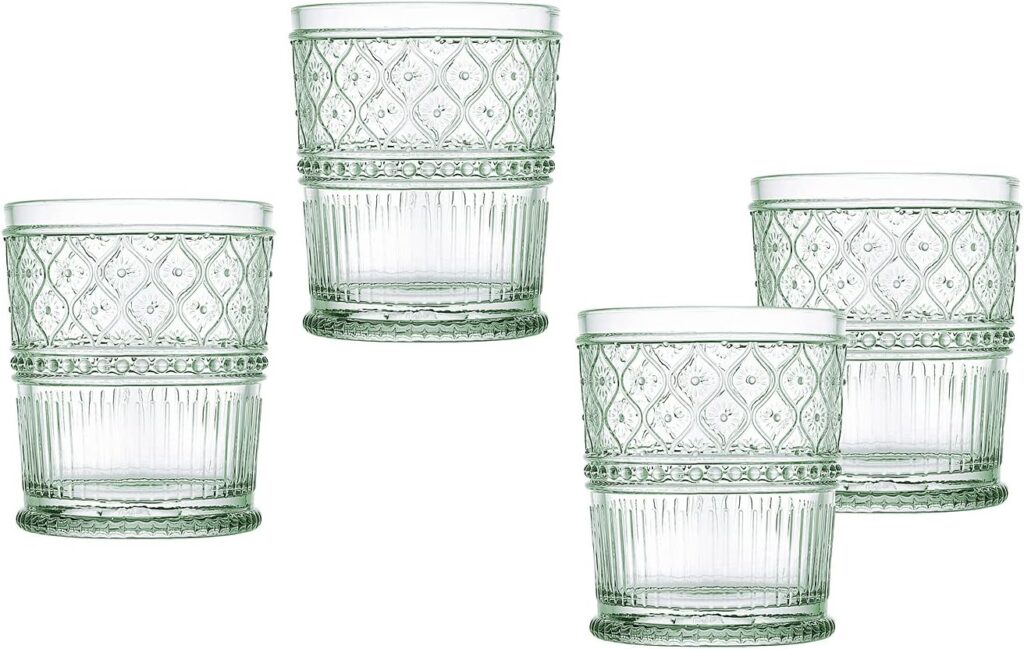
The mint julep is non-negotiable. It’s the official drink of the Kentucky Derby, served at Churchill Downs since 1938. Crushed ice, fresh mint, bourbon, and simple syrup in embossed green glass tumblers. Not traditional silver cups, which spike in price before the race and drop after.
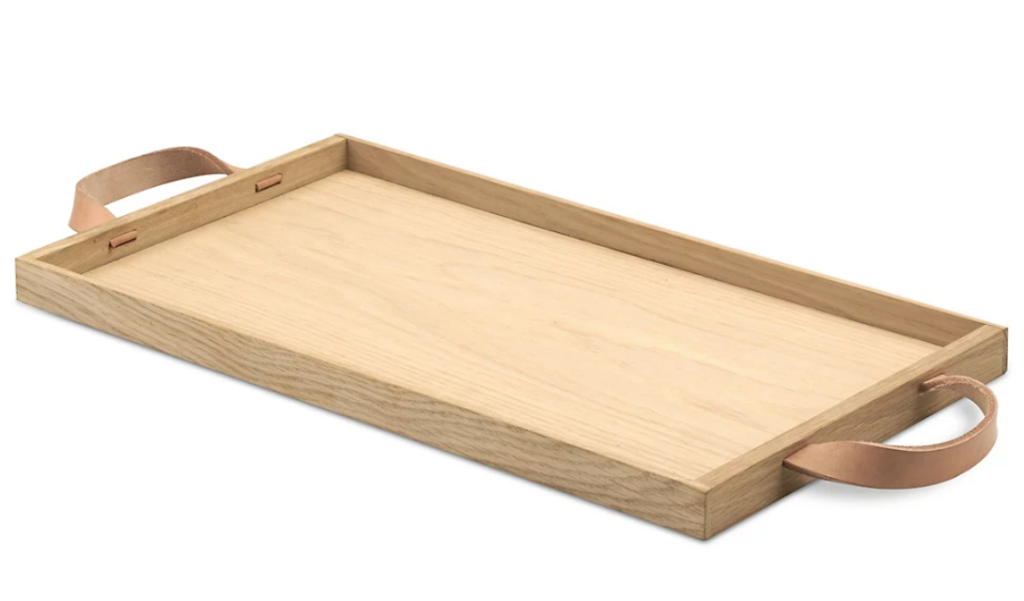
Make juleps in batches ahead of time. Mix bourbon and simple syrup in a pitcher, keep refrigerated. When guests arrive, fill glasses with crushed ice, pour the bourbon mixture over, add fresh mint sprigs, insert silver straws. Twelve to fifteen juleps on an oak tray with leather handles gives guests immediate access.
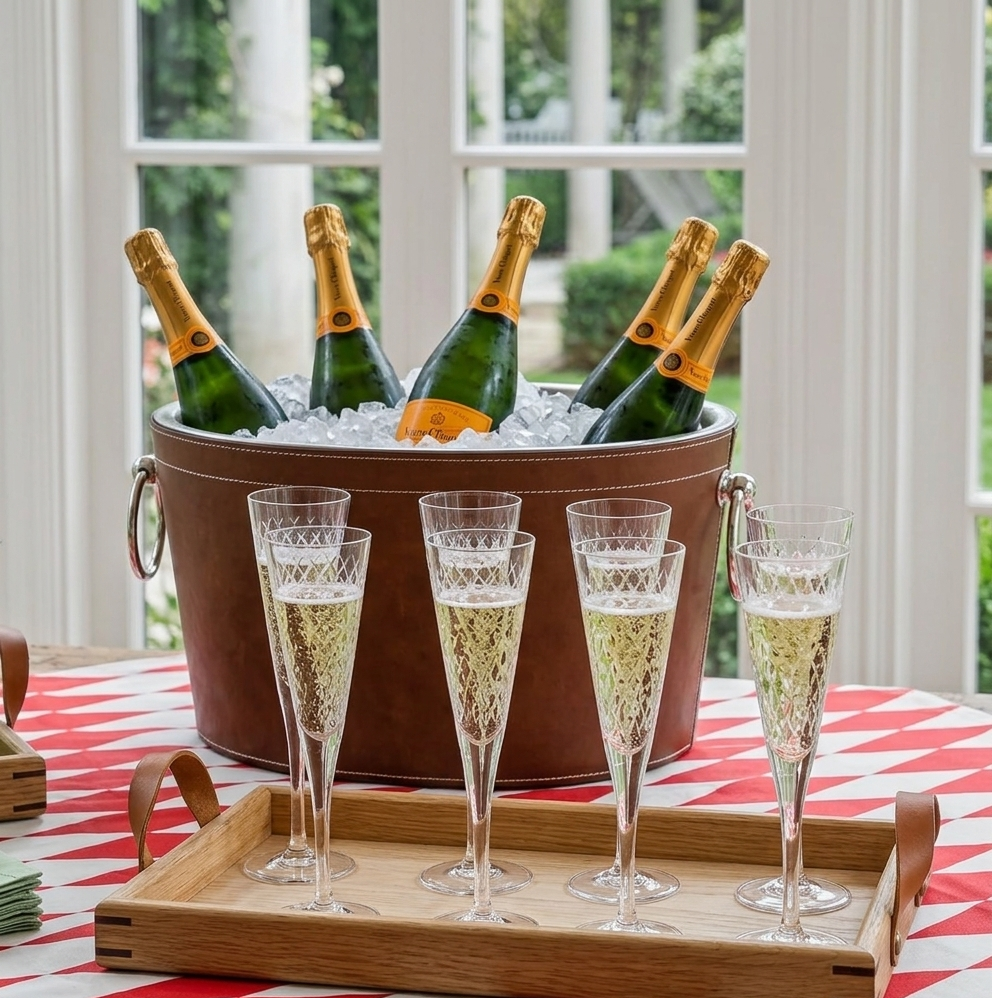
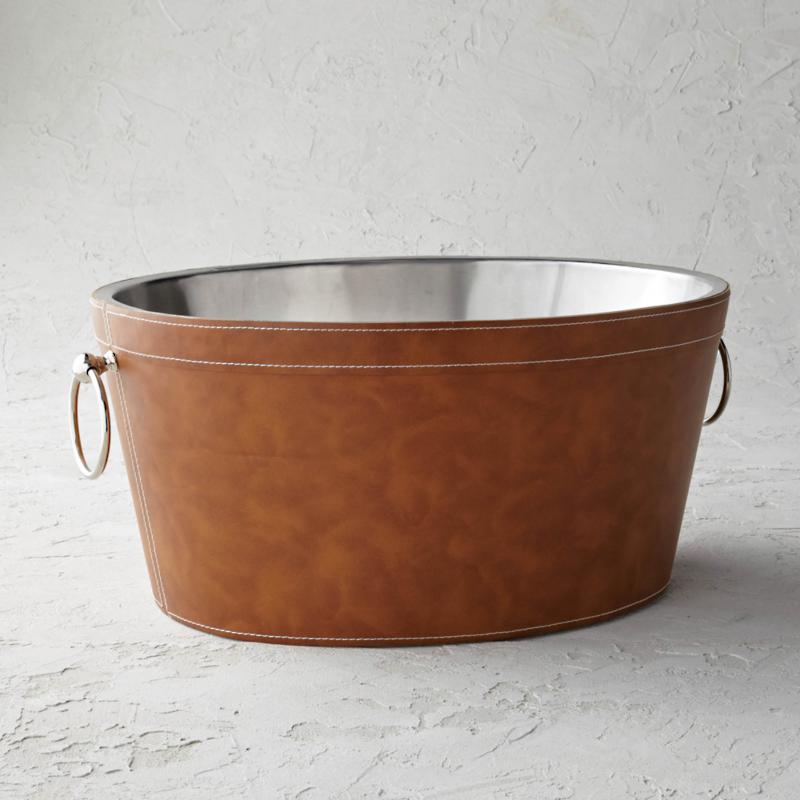
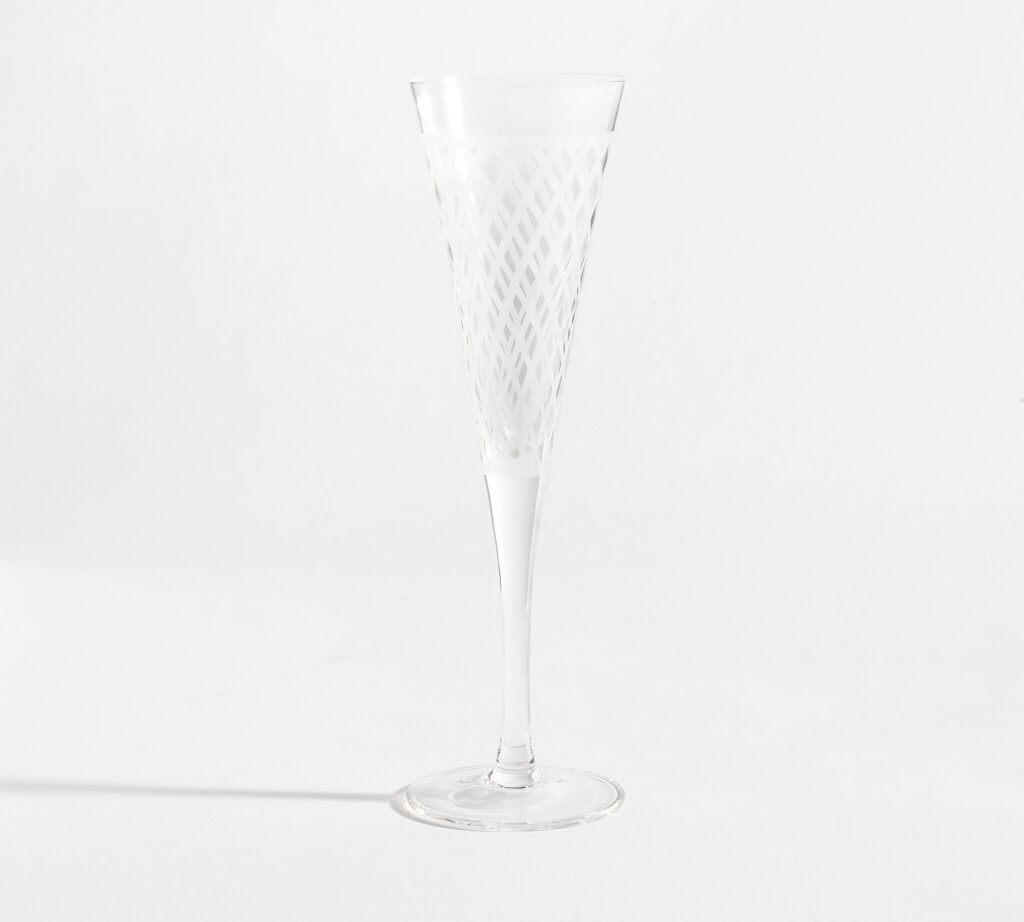
Champagne provides the alternative. Not everyone drinks bourbon, and some guests prefer bubbles with their betting slips. A leather beverage tub holds four bottles chilling on ice, positioned behind the julep display. Champagne flutes arrange on a second oak tray in front of the ice tub.
This isn’t either-or service. It’s both-and abundance. Guests choose based on preference, not limitation.
Layered: Building Visual Depth
A single-layer bar looks flat. Multiple heights create visual interest and guide guest flow. The leather beverage tub sits elevated at the back of the table. Champagne bottles on ice create the tallest element, drawing eyes upward.
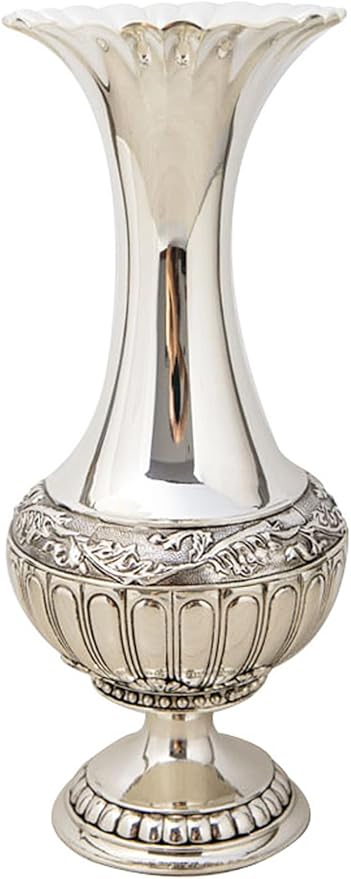
The silver vase with red roses sits to the side of the ice tub at the same height. Loose, garden-style arrangement with plenty of green foliage. Not tight florist precision. The roses echo Churchill Downs’ “Run for the Roses” tradition without requiring an actual garland.
Mid-level holds the champagne flutes on their oak tray. Positioned in front of the ice tub, they’re accessible without reaching over anything. The julep tray sits at the same mid-level on the opposite side of the table.
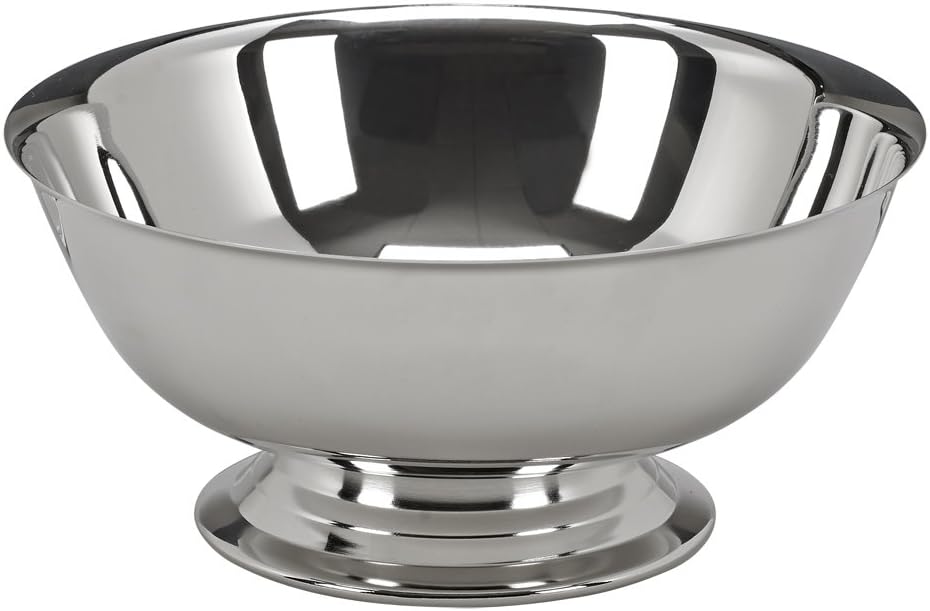
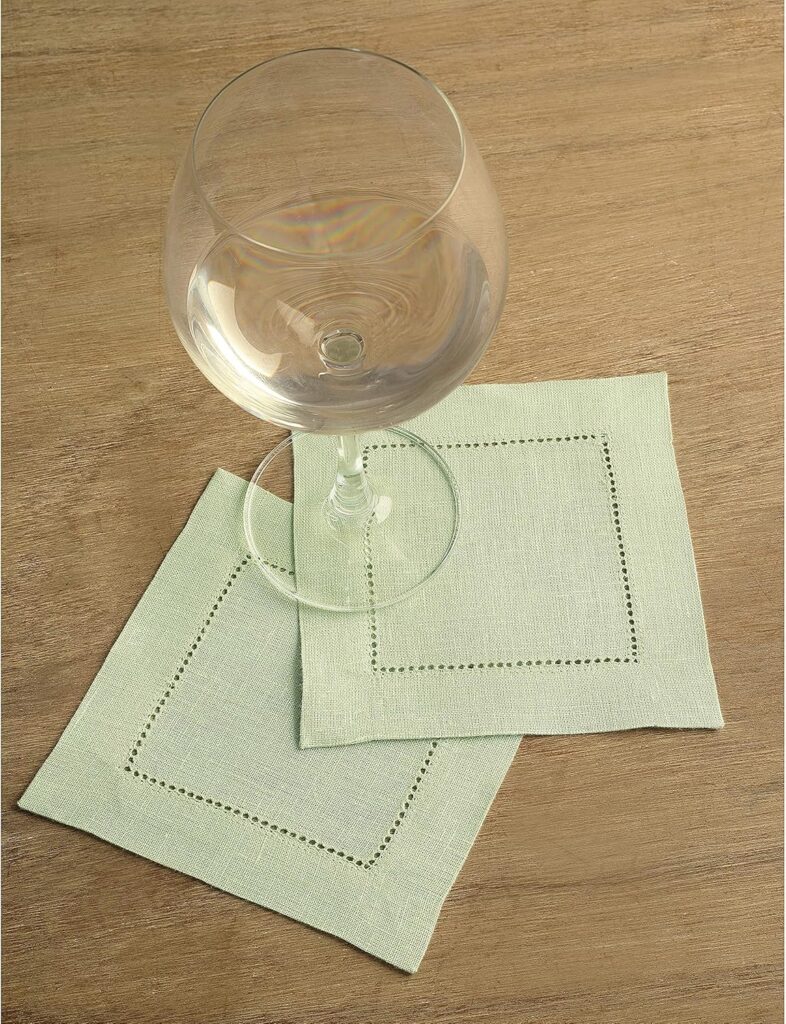
Front level displays the garnishes. Two small silver Revere bowls hold fresh mint sprigs and lemon slices. A stack of sage green linen cocktail napkins sits beside the julep tray. These low-profile elements don’t block sight lines to the drinks behind them.
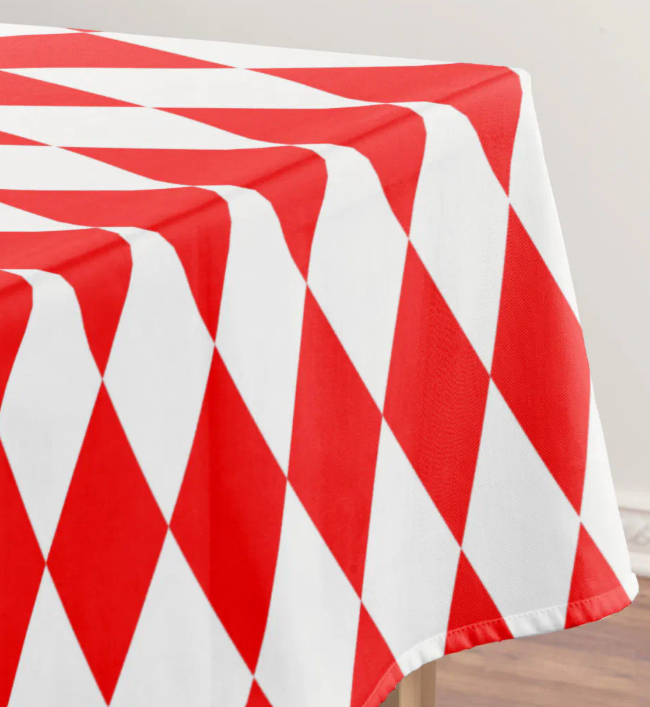
The harlequin diamond runner anchors everything. Red and white pattern runs diagonally across the farmhouse table, creating visual energy without covering the entire wood surface. The runner’s graphic punch references jockey silks without literal costume interpretation.
Organized: Self-Service Flow
Guests shouldn’t have to ask where things are or how to make a drink. The bar layout answers both questions visually. Juleps on the left, champagne on the right, garnishes and napkins in front.
The oak trays keep glassware contained. Twelve to fifteen juleps on one tray means guests can grab a glass without disrupting the arrangement. Twelve champagne flutes on the other tray work the same way. No reaching into precarious stacks or knocking over neighboring glasses.
Garnishes sit in dedicated bowls with small serving spoons. Guests who want extra mint in their julep can add it themselves. Lemon slices go into champagne for guests who prefer citrus. The bowls stay put, the ingredients stay fresh, and no one’s digging through communal ice.
Napkins stack beside the julep tray rather than scattered around the table. Guests take one with their drink, move away from the bar, and the next person steps up. Simple traffic flow, no bottlenecks.
The empty table space between elements matters. Room to set down a glass while adding garnish, room to maneuver without elbows in someone’s face. A crowded bar station looks abundant but functions poorly. This layout prioritizes flow over maximum density.
Within Reach: Accessibility Without Barriers
The farmhouse table height puts drinks at comfortable grabbing level. Not bar-height stools required, not coffee table crouch positions. Standard dining table height works for standing or seated guests.
All four sides of the table remain open. Guests approach from any direction without walking around furniture. The sunroom’s floor-to-ceiling windows create natural light without blocking access. The wrought iron chandelier hangs above the center of the table, providing evening light without dangling in anyone’s way.
Nothing requires tools or special knowledge. Pre-mixed juleps mean no muddling, no measuring, no cocktail shaker confusion. Champagne bottles are already chilled. Flutes are already out. Guests pour or grab, garnish if desired, and step away.
The roses sit far enough back that no one accidentally knocks the vase reaching for a drink. The garnish bowls sit forward enough that short guests don’t have to lean across the table. Every element occupies intentional real estate based on how people actually move around a bar.
Styled: Derby Authenticity
The details separate a generic drink table from a Derby bar. The harlequin runner isn’t random pattern choice. It’s jockey silk translation. Bold red and white diamonds create the visual punch of race day without literal costume.
Embossed green glass tumblers reference vintage glassware without requiring actual antiques. The diamond pattern pressed into the glass catches light, adds texture, and photographs well. These aren’t disposable plastic cups or generic highballs. They signal intentional styling.
The silver vase matters. Not just any vase, a substantial piece with ornate pedestal base. Trophy-adjacent without being literal. Paired with red roses, it creates the winner’s circle aesthetic. The roses themselves need to look abundant, not sparse. Twelve to fifteen stems minimum, with green foliage filling gaps.
Leather beverage tub and oak trays add warmth. Too much silver and glass reads cold and formal. The leather and wood soften the metallics, create tactile variety, and reinforce the Southern hospitality angle. These aren’t ballroom serving pieces. They’re refined but approachable.
Sage green napkins provide the only non-red, non-white accent color. They tie to the mint theme without being literal mint green. Subtle enough to feel sophisticated, present enough to break up the red-white-silver palette.
Silver straws in the juleps are the final detail. Reusable metal straws, not plastic, not paper. They catch light, they photograph well, and they complete the vintage Derby aesthetic.
Timeline: Setup Strategy
Day before: Set up the table with the harlequin runner. Chill champagne bottles overnight. Make simple syrup for juleps and refrigerate. Pick up fresh roses and mint from the florist or grocery store.
Morning of Derby Day: Arrange roses in the silver vase with plenty of water. Set out all serving pieces in their positions. Fill the leather tub with ice and nestle champagne bottles. Prep lemon slices and extra mint sprigs, store in the refrigerator.
Two hours before guests arrive: Mix bourbon and simple syrup in batches, keep refrigerated. Crush ice or buy crushed ice bags. Set out julep glasses on the oak tray. Fill champagne flutes and position on their tray.
One hour before: Fill julep glasses with crushed ice, pour bourbon mixture over, add mint sprigs and silver straws. Top up ice in the champagne tub. Do final styling pass by adjusting napkins and checking rose water levels.
Race time: Refresh julep ice as needed. Open new champagne bottles when current ones empty. Replenish mint and lemon from the refrigerator. Let guests serve themselves while you watch the horses.
After the race: Keep the bar open for post-race celebrating or commiserating. The two-minute race is just the beginning. The real party happens in the hours around it.
Shop This Setup

One Thing, Done Right
Derby Day entertaining doesn’t require elaborate food spreads or complicated decorations. It requires one element executed with confidence and style. The mint julep bar is that element.
Get the drinks right, present them beautifully, and everything else becomes supporting detail. Guests remember the moment they walked in and saw that bar. The crushed ice catching light in green glass. The champagne bottles on ice. The red roses echoing the winner’s garland. The harlequin runner that says “this is Derby Day” without explanation.
This isn’t background service. It’s the centerpiece that transforms a watch party into an experience. Set it up in your sunroom with natural light streaming through the windows. Position it in your dining room where guests gather before the race. Stage it in your living room as the visual anchor of the space.
The bar does the work. You just keep the ice fresh and the bourbon flowing.
Now place your bets, fill your glass, and watch your longshot come through. Or finish third. Either way, the bar made it worth hosting.