Paloma Tequila Bar
Paloma Bar Ideas: The Tequila Bar Upgrade Your Guests Haven’t Seen Yet
Every outdoor party has a margarita bar. Your guests have seen it, built it, and photographed it a hundred times. If you want to serve something that stops the conversation and earns a genuine reaction, it’s time to meet the Paloma — Mexico’s most beloved cocktail, and the one most American hosts have never thought to build a bar around.
This Paloma bar setup draws inspiration from La Capilla, one of the oldest cantinas in Tequila, Jalisco, where the Paloma has been poured for generations. The result is a bar station with real cultural roots, a stunning visual identity, and a signature hibiscus twist that your guests will be talking about long after the party ends.
Here’s what you’ll find in this guide:
- Why the Paloma deserves its own bar station
- The full FLOWS Method setup for a Paloma bar
- A classic Paloma recipe and a hibiscus twist
- Everything you need to source and style the setup
Why the Paloma Is Mexico’s Real National Cocktail
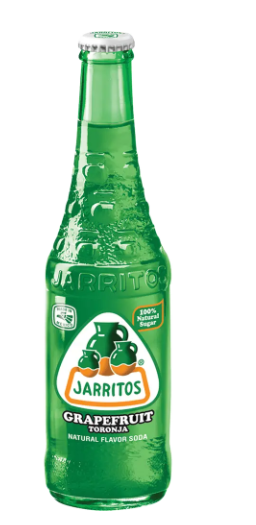
Ask most Americans what Mexico’s signature cocktail is, and they’ll say the margarita. Ask anyone in Jalisco, and they’ll tell you it’s the Paloma. Made with tequila, fresh grapefruit juice, lime, and a splash of grapefruit soda — traditionally Jarritos Toronja — the Paloma is simpler, lighter, and more refreshing than its more famous cousin.
La Capilla in the town of Tequila, Jalisco has been serving Palomas since 1937. The bar’s owner, Don Javier Delgado Corona, mixed drinks there well into his nineties and became a legend in Mexican cantina culture. A Paloma bar anchored to that history isn’t a novelty — it’s a tribute to one of the great drinking traditions in North America.
That story is also what separates this setup from the margarita bar down the street. You’re not just swapping one tequila drink for another. You’re serving something with a place and a purpose.
The FLOWS Method: Building a Paloma Bar That Works
The FLOWS Method — Fully Stocked, Layered, Organized, Within Reach, Styled — is the framework behind every bar station on this site. It’s what separates a setup that photographs well from one that actually works when guests are using it.
Fully Stocked
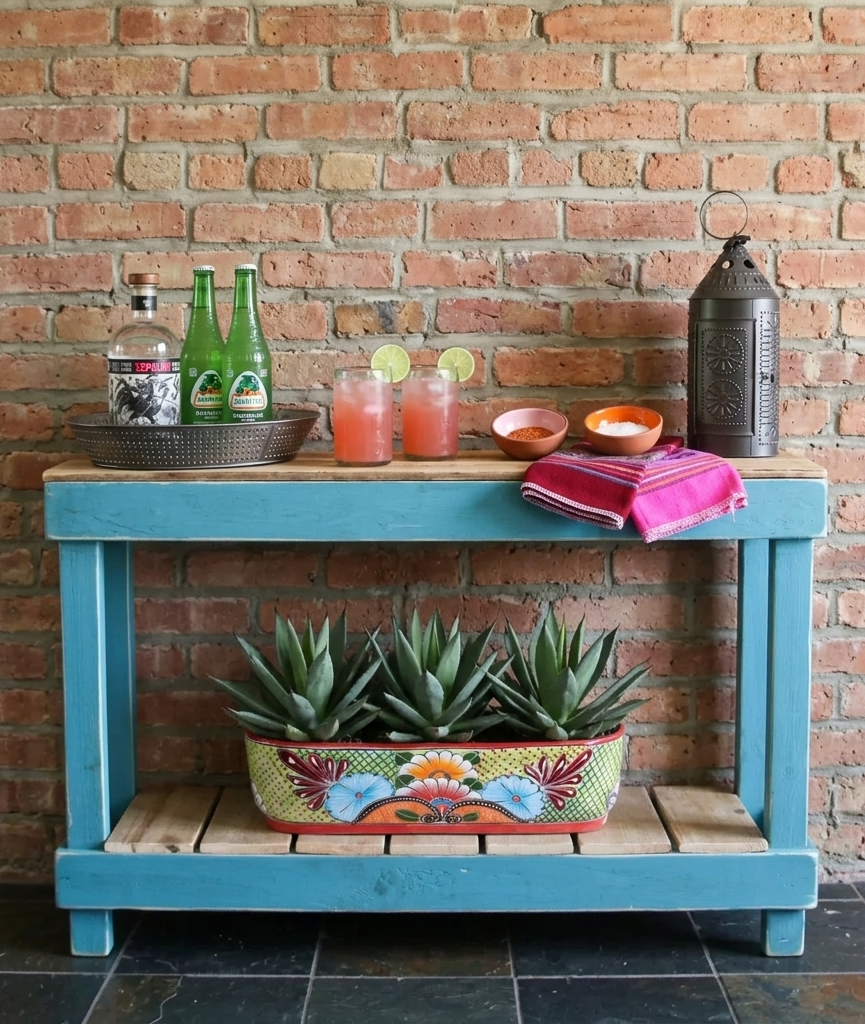
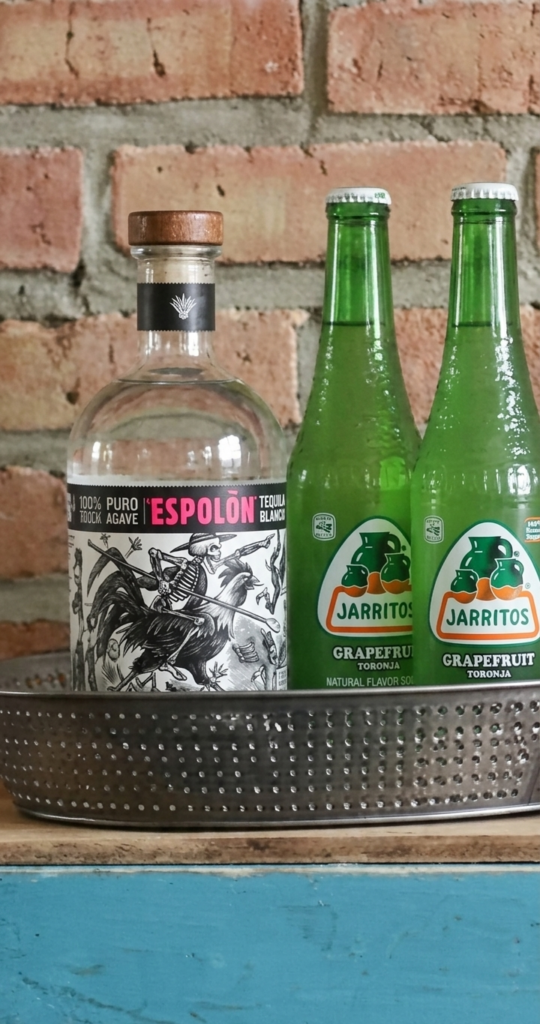
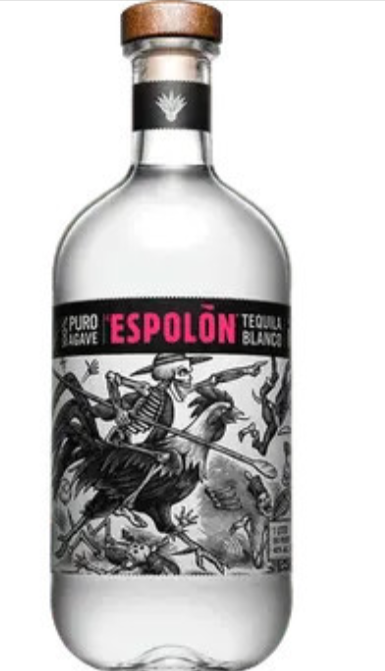
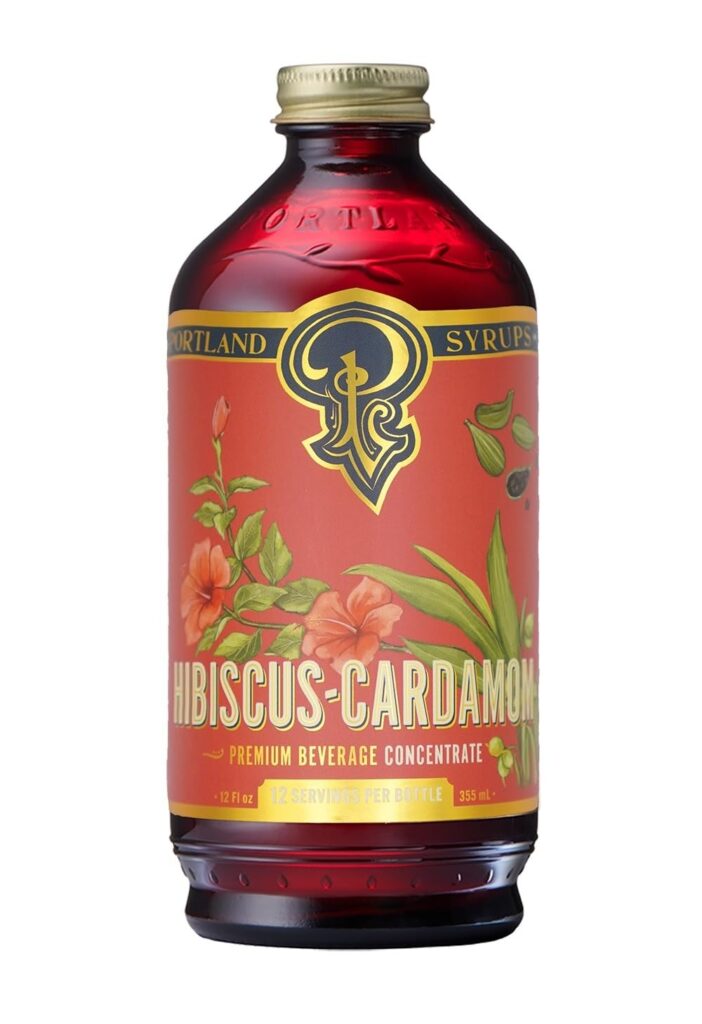
A Paloma bar needs everything a guest requires to build the drink from start to finish without asking for help. Stock the top shelf with an Espolòn Blanco tequila bottle as your hero spirit — the hand-illustrated Day of the Dead label does visual work that no other bottle in this price range can match. Flank it with two Jarritos Toronja grapefruit sodas, which are the authentic Mexican mixer and far more interesting than a generic club soda. Keep a bottle of hibiscus syrup on the shelf as well for the twist version — more on that below.
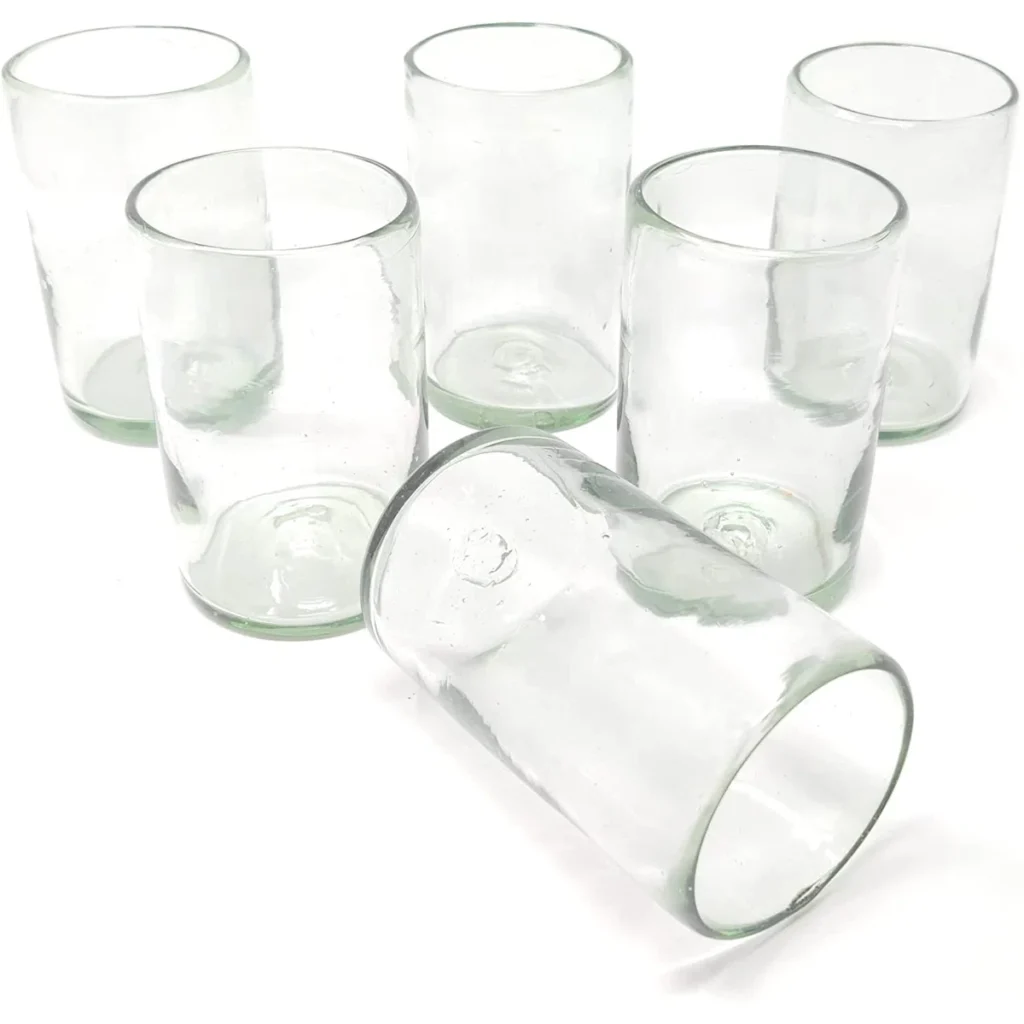
For glassware, handblown Mexican tumblers in clear glass with a slight blue-green tint are the only choice that honors the drink’s origin. The thick walls, visible bubbles, and slightly irregular rims are exactly what a Paloma should be served in. Have at least six ready so guests aren’t waiting.
Layered
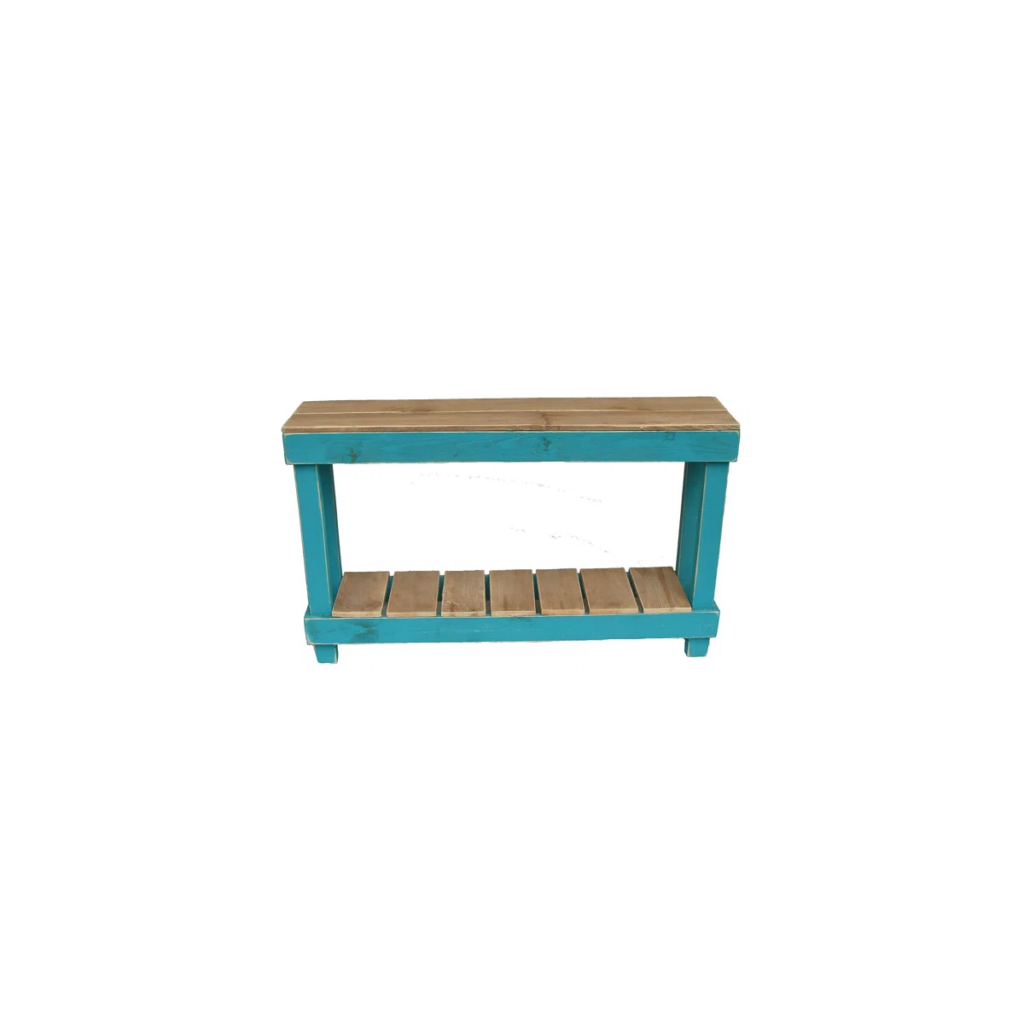
The turquoise distressed wood console provides the vertical structure this setup needs. The top shelf carries all the active bar elements — bottles, glassware, garnish bowls, napkins — while the lower slatted shelf becomes a deliberate visual anchor rather than storage overflow.
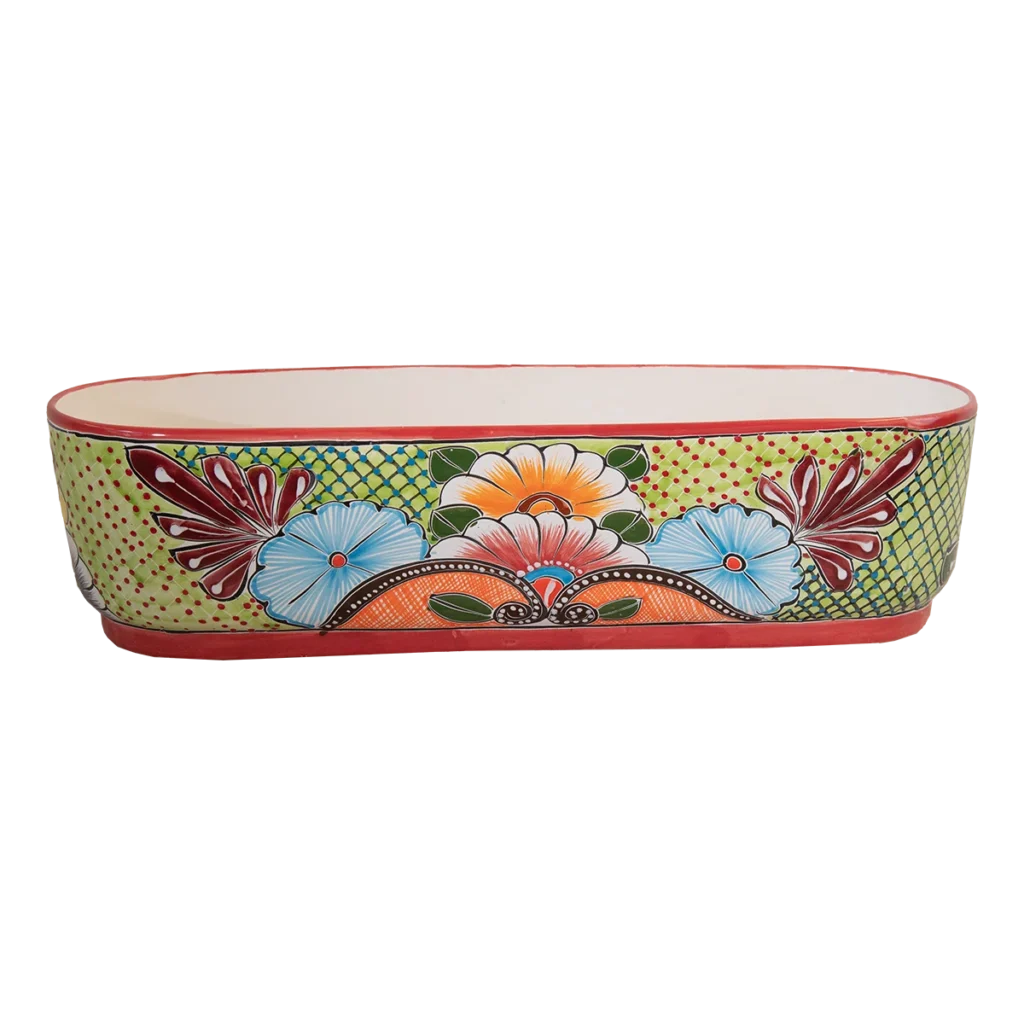
A rectangular Talavera ceramic planter centered on the lower shelf, filled with several agave plants, creates a living base that grounds the entire composition. The hand-painted floral motifs in red, blue, and orange pick up the color language of the drinks above it. The agave leaves extend upward but stay below the table surface, keeping the sightlines clean.
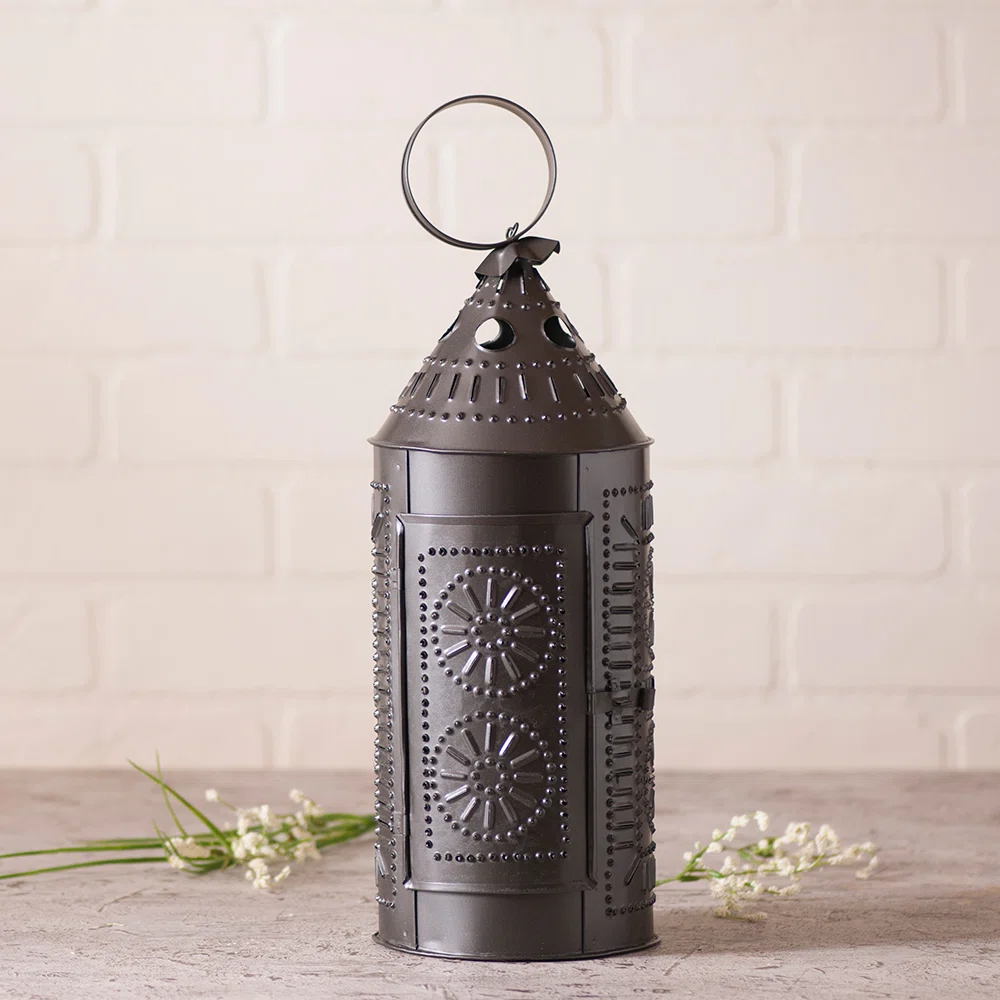
On the top shelf, the punched tin lantern at the far right end provides vertical height without adding visual clutter. At 17 inches tall, it’s the tallest element on the shelf and draws the eye across the full width of the setup.
Organized
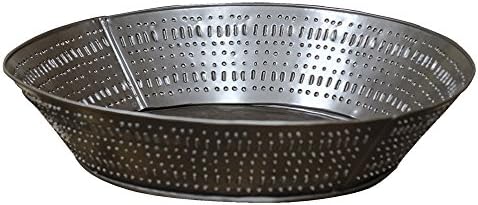
Group the top shelf left to right in a logical sequence that mirrors how a guest builds the drink. The punched tin oval tray on the left side corrals the bottles — tequila, Jarritos, hibiscus syrup — so the ingredient zone is clearly defined. Outside the tray, two handblown tumblers sit ready with completed Palomas, one classic coral and one deep magenta hibiscus version, so guests can see exactly what they’re making before they start.
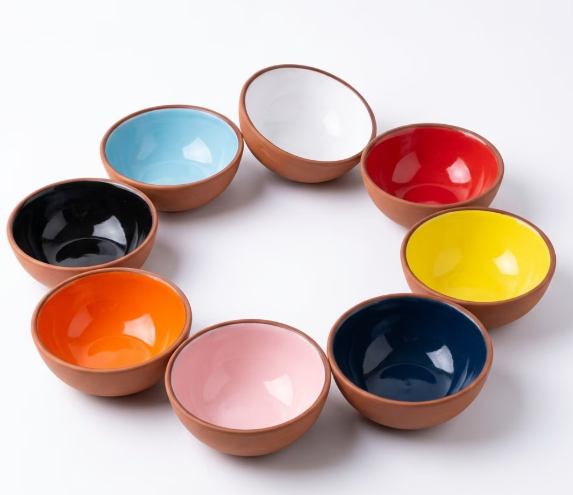
Two small terracotta pinch bowls sit beside the tumblers — one filled with tajín, one with coarse salt — so guests can rim their own glasses. Use the coral-glazed bowl for tajín and the white-glazed one for salt to make the choice intuitive at a glance.
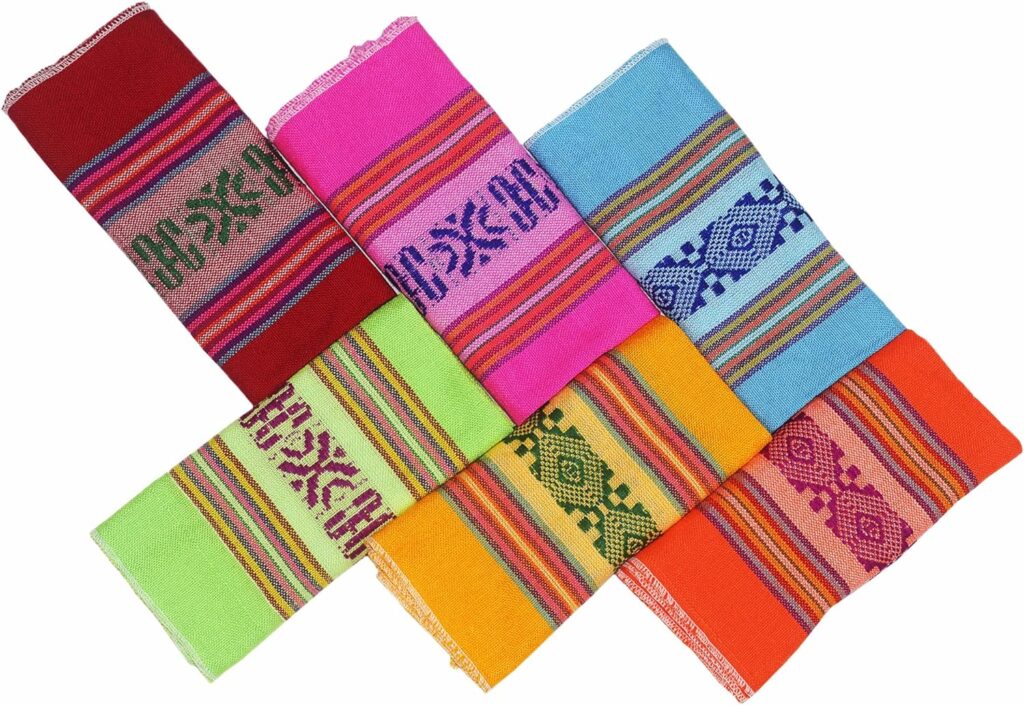
A stack of two or three woven serape napkins in mixed colors tucks beside the bowls. Pull colors from the full set — burgundy, turquoise, lime — so the textile element adds warmth rather than uniformity.
Within Reach
Position the tray of bottles at the left side of the shelf so right-handed guests can pour naturally without reaching across other elements. The tumblers sit in the center where they’re the first thing guests encounter. The garnish bowls and napkins cluster to the right within easy reach of the glasses.
The lower shelf planter is decorative, not functional, so it doesn’t need to be accessible. Keeping it centered and set back from the shelf edge prevents guests from accidentally brushing the agave leaves during the build.
Styled
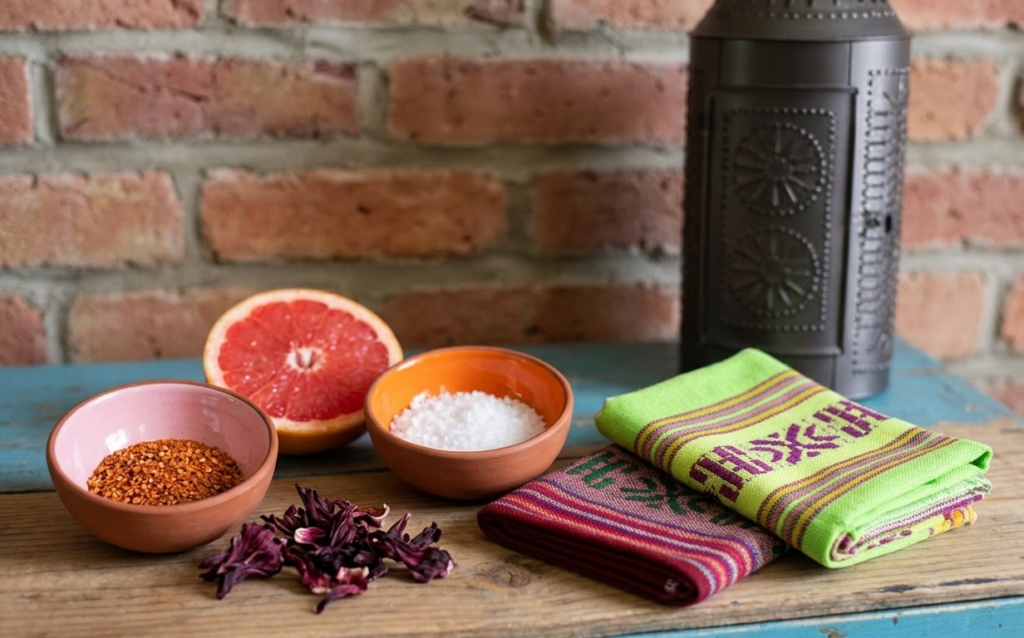
The color palette across this setup tells a single coherent story. Turquoise from the distressed console, deep magenta from the hibiscus Paloma, coral from the classic drink and the Talavera planter’s red border, amber from the tequila bottle, green from the Jarritos glass and the agave leaves. These aren’t chosen randomly — they’re the visual language of Mexican craft and cuisine translated into a bar setup.
The punched tin pieces — tray and lantern — share a dark pewter finish that grounds the color without competing with it. The handblown glass picks up the turquoise of the console in its slight blue-green tint. Every element reinforces the others.
Scatter a few dried hibiscus flowers beside the garnish bowls and lay a halved grapefruit cut-side up near the tumblers. These details tell guests that something specific and considered is being served here, not just a generic tequila situation.
The Recipes
Classic Paloma
Serves 1
- 2 oz Espolòn Blanco tequila
- 2 oz fresh grapefruit juice
- ½ oz fresh lime juice
- ½ oz agave nectar
- Jarritos Toronja grapefruit soda to top
- Coarse salt or tajín for the rim
- Grapefruit wedge to garnish
Rim a handblown tumbler with salt or tajín. Fill with ice. Add tequila, grapefruit juice, lime juice, and agave nectar. Top with Jarritos Toronja. Garnish with a grapefruit wedge.
Hibiscus Paloma Twist
Serves 1
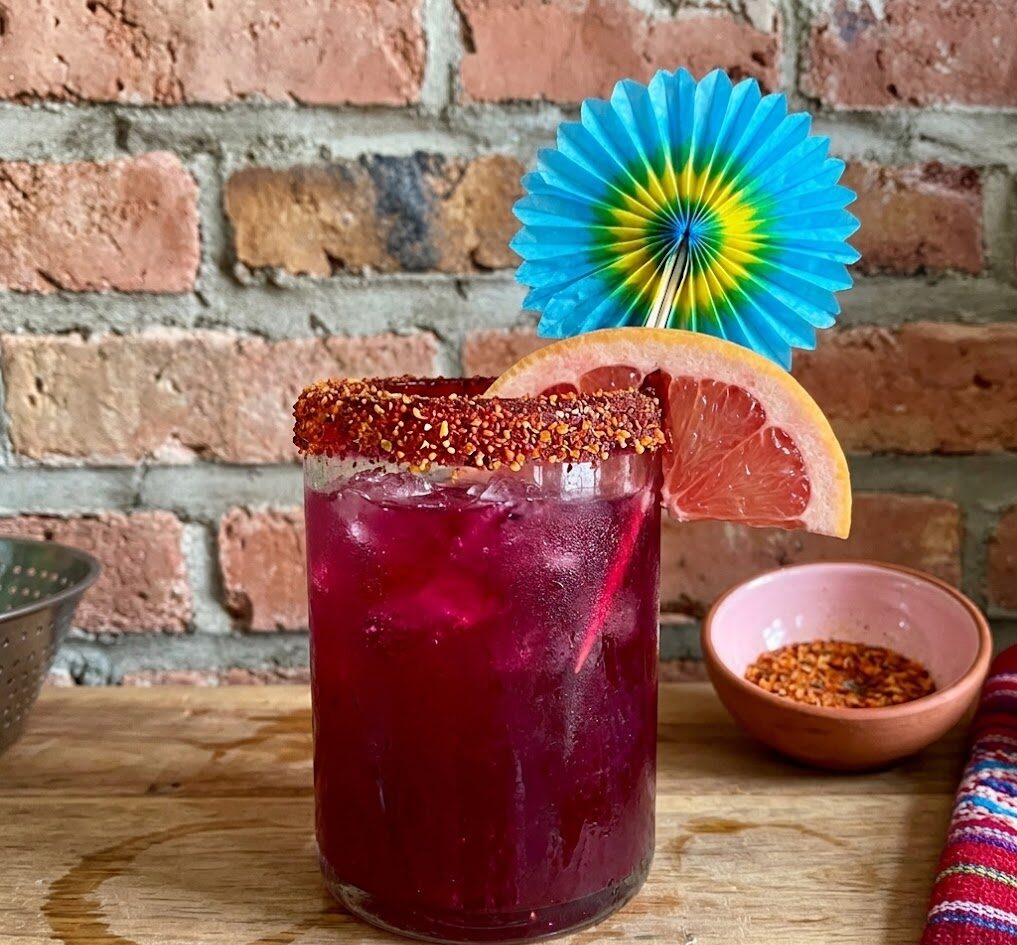
The hibiscus version earns its place on this bar through color alone. The deep magenta that hibiscus syrup produces in a Paloma glass is one of the most visually striking cocktail moments you can create for guests.
- 2 oz Espolòn Blanco tequila
- 2 oz fresh grapefruit juice
- ½ oz fresh lime juice
- ½ oz hibiscus syrup (store-bought or homemade from dried jamaica flowers)
- Jarritos Toronja to top
- Tajín for the rim
- Dried hibiscus flower and grapefruit wedge to garnish
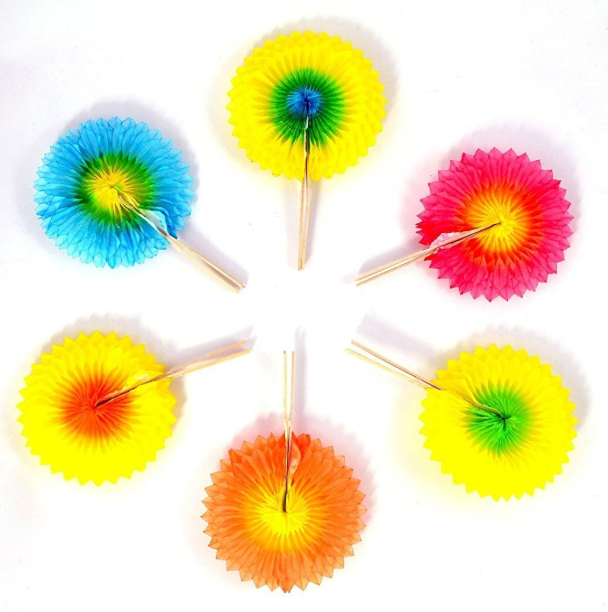
- Tissue paper fan cocktail pick
Rim a handblown tumbler with tajín. Fill with ice. Add tequila, grapefruit juice, lime juice, and hibiscus syrup. Top with Jarritos Toronja. The hibiscus syrup will bleed upward through the drink as it settles, creating a gradient from deep magenta at the base to coral at the top. Garnish with a dried hibiscus flower, a grapefruit wedge, and a tissue paper fan pick.
Hibiscus Syrup: Combine 1 cup water, 1 cup sugar, and ¼ cup dried hibiscus flowers (jamaica flowers) in a small saucepan. Bring to a simmer, stir until sugar dissolves, remove from heat, and steep for 20 minutes. Strain and cool. Keeps refrigerated for two weeks. Hibiscus syrup is also available ready-made on Amazon if you want to skip the stovetop step.
How the Station Flows
This setup earns its FLOWS designation because every element serves a dual purpose — it looks right and it works right.
Fully Stocked means two spirits (tequila and hibiscus syrup as a flavor modifier), two mixers (Jarritos and fresh grapefruit), two rim options (tajín and salt), six tumblers, and all garnishes within arm’s reach. Guests build the drink completely unassisted.
Layered means the agave planter anchors the base, the console surface holds the working bar, and the lantern provides vertical punctuation at the far right. Three distinct levels, each doing a different job.
Organized means the tray defines the ingredient zone, the tumblers define the build zone, and the garnish bowls define the finishing zone. Left to right follows the natural sequence of making the drink.
Within Reach means nothing requires crossing the setup. Bottles pour to the right. Glasses sit center. Rims are finished before filling. The flow is logical from first touch to finished drink.
Styled means turquoise, coral, magenta, pewter, and terracotta operate as a single palette. The Talavera planter, the serape napkins, the handblown glass, and the Espolòn label all speak the same visual language — Mexican craft, cantina culture, the Jalisco highlands where this drink was born.
Shop the Paloma Bar
The margarita bar will always have its moment. But if you want to host something guests actually remember — something with a story behind it and a color in the glass that stops the scroll — the Paloma bar is the upgrade that delivers. Build it once using the FLOWS Method, and it will work every time you set it out.
For more tequila-forward bar setups and Cultural Cocktail stations, explore the Mint Julep Bar, the Bellini Bar, and the Spritz Bar in the full Cultural Cocktail series.