Pasta Bar Setup
Positano Pasta Bar Setup
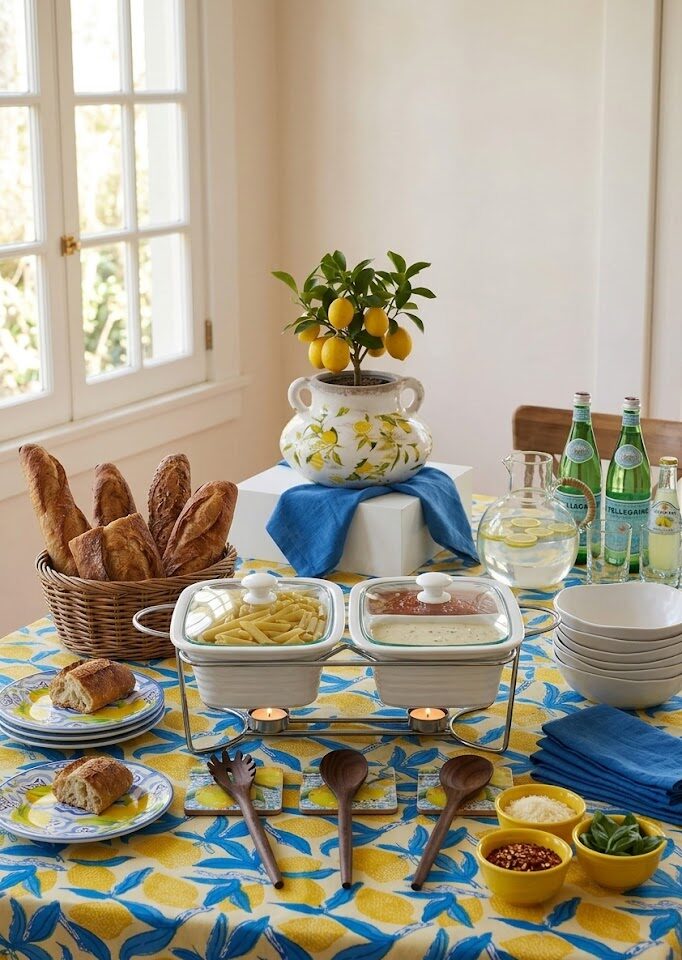
A pasta bar doesn’t have to look like a buffet line. Positano styling — lemons, Mediterranean tiles, coastal elegance — turns practical crowd-feeding into an Amalfi coast moment. You get to showcase your hosting skills in the most attractive way possible. No complicated cooking required.
The Positano approach works because it gives your pasta bar a clear visual identity. Blue and white ceramics. Lemon motifs. Natural textures. These elements create coastal Italian atmosphere without complicated execution. Your guests remember the aesthetic as much as the food.
Pasta bars already solve the practical hosting challenge. They feed crowds affordably. Guests customize their own plates. You avoid last-minute kitchen stress. Positano styling adds the visual layer that makes the setup memorable. The FLOWS Method keeps everything organized.
The FLOWS Method for Positano Pasta Bars
Fully Stocked
Your pasta bar needs three core components. Pasta, sauces, and toppings. This gives guests real customization without creating decision paralysis.
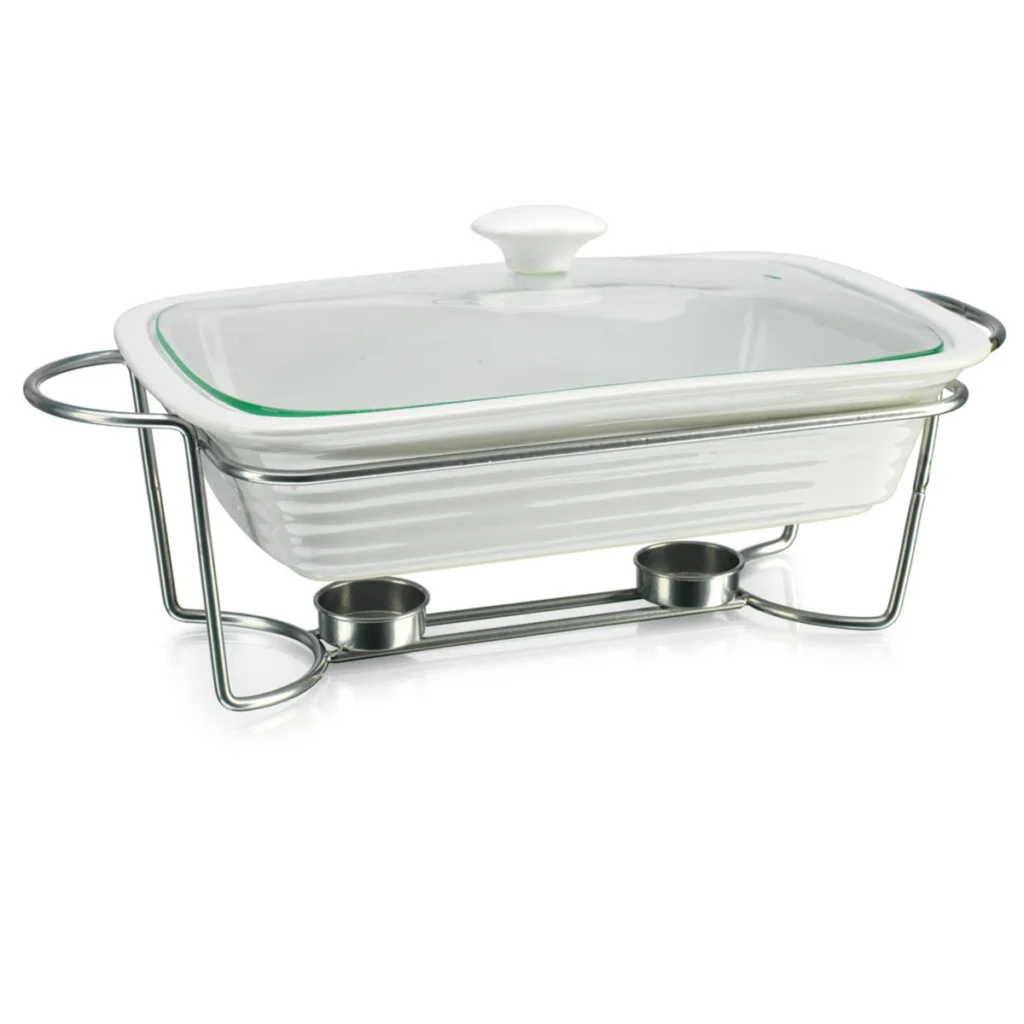
Start with one pasta shape in a chafing dish. Penne or rigatoni work well because they hold sauce and stay warm longer than thin pasta. Cook it slightly underdone. Toss with olive oil to prevent sticking. The chafing fuel keeps it serving-temperature throughout your event.
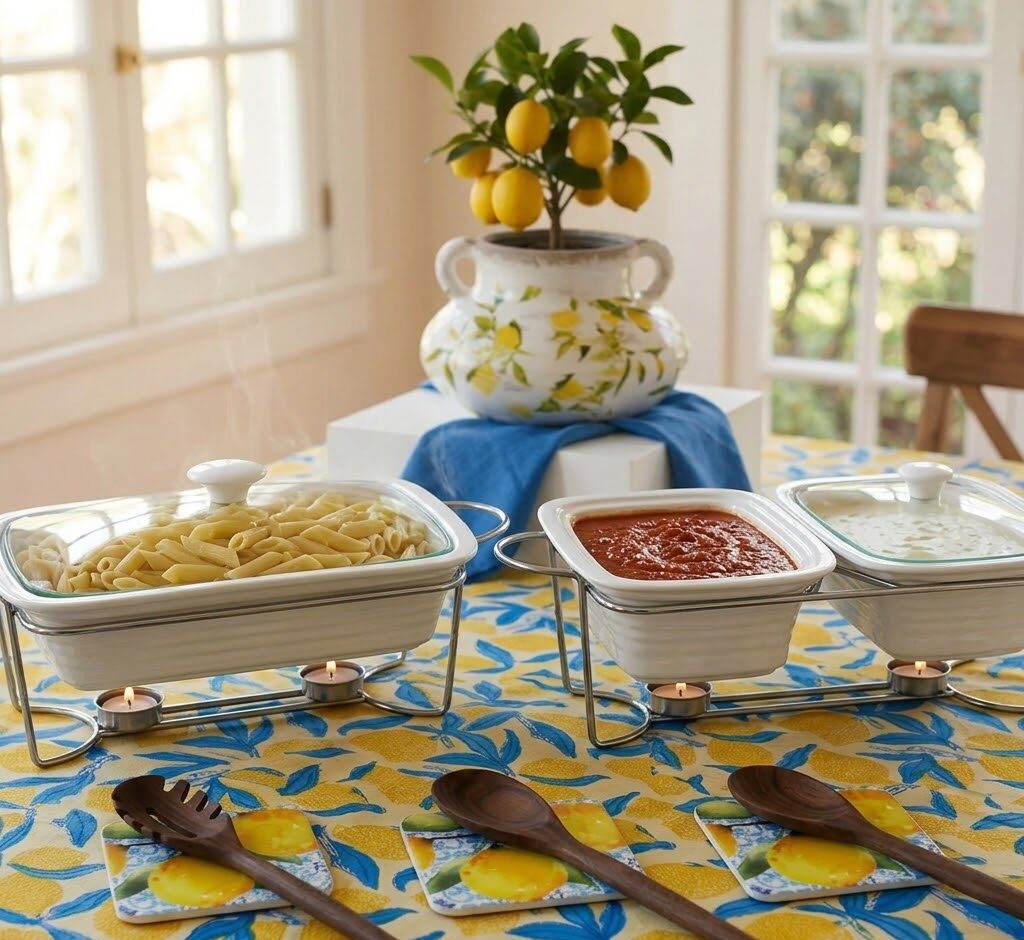
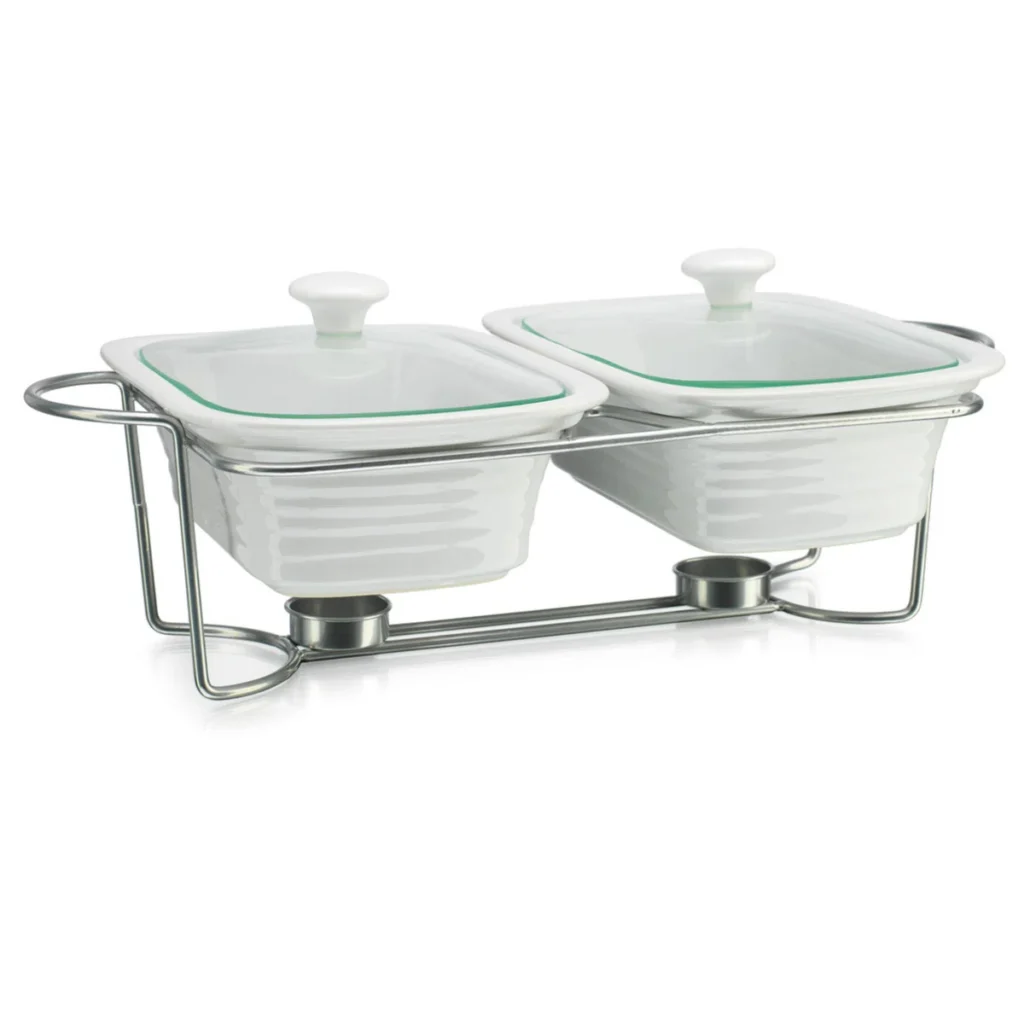
Offer two sauce options in a double chafing dish. Classic marinara and creamy alfredo cover most preferences. One red, one white. Vegetarians get marinara. Guests who want richness choose alfredo. The visual contrast between sauces looks intentional on your table.
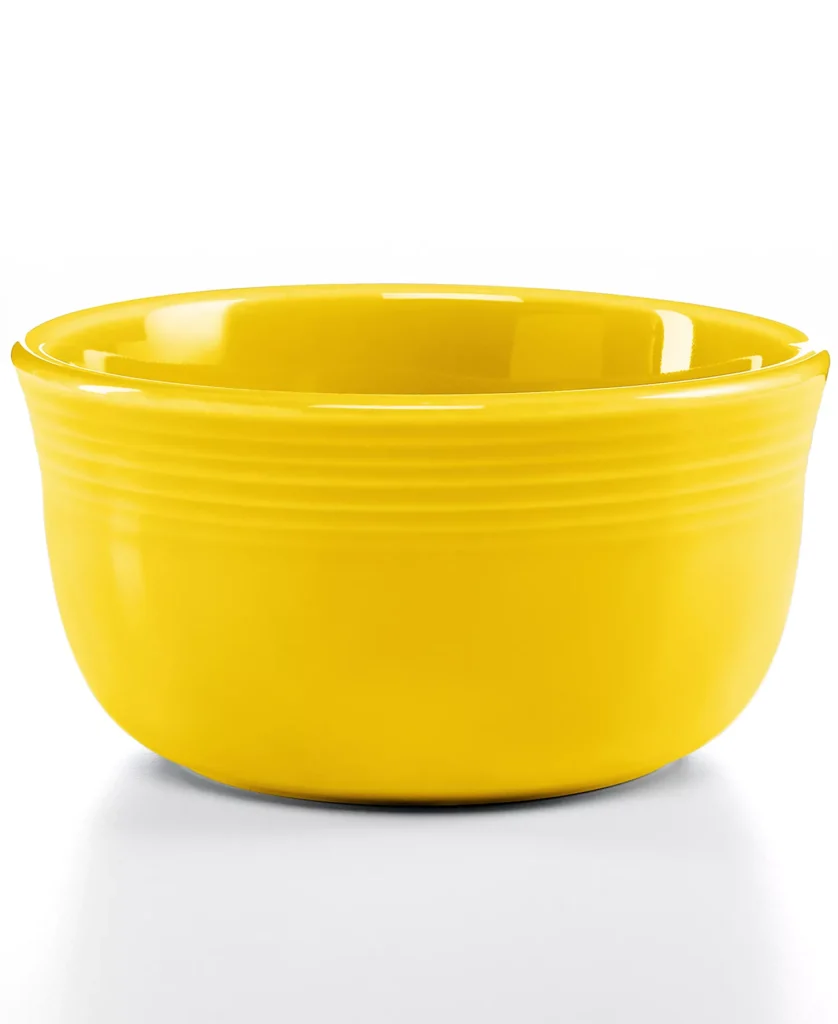
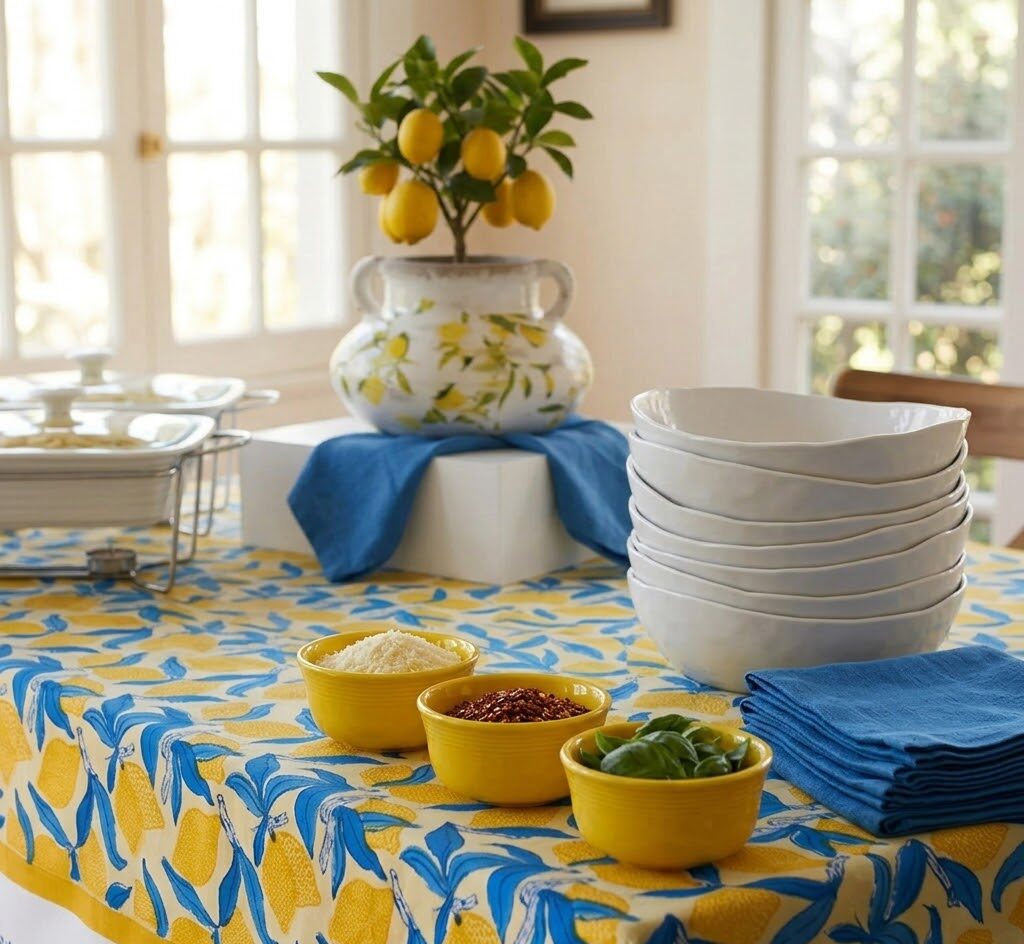
Toppings sit in small bowls at the end of your serving line. Grated Parmesan cheese. Red pepper flakes. Fresh basil leaves. These three additions let guests personalize without overwhelming them with choices. Bright yellow Fiesta ware bowls make the toppings station pop visually against your blue and white color scheme.
Layered
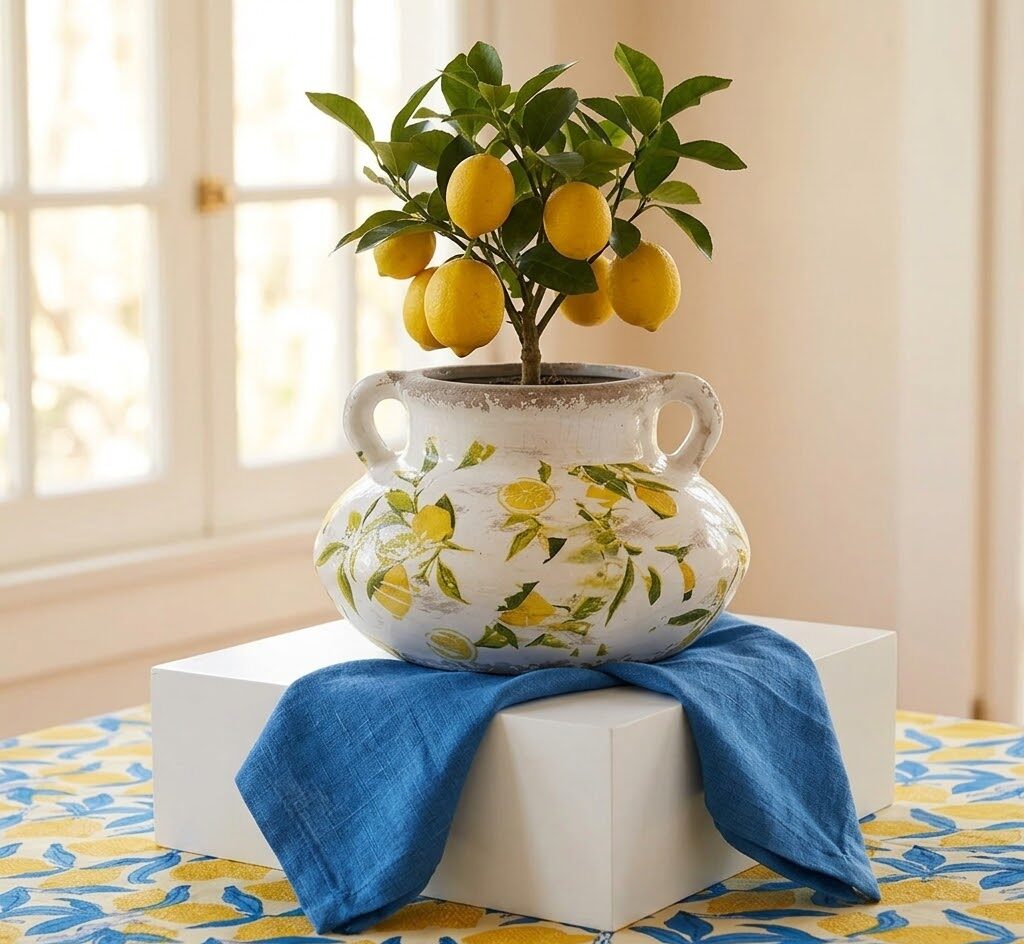
Height variation creates visual interest on a pasta bar. Chafing dishes provide elevation automatically through their chrome stands. The lemon tree centerpiece adds dramatic vertical presence without blocking sightlines.
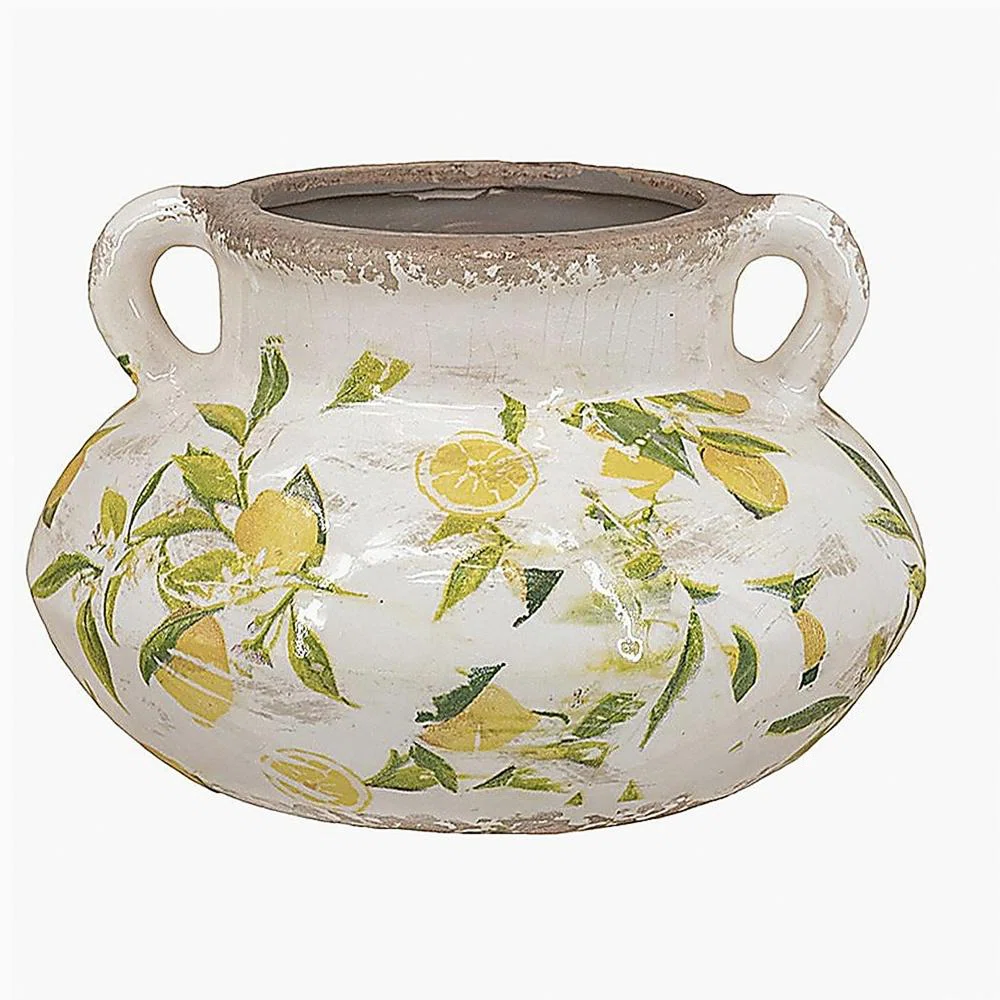
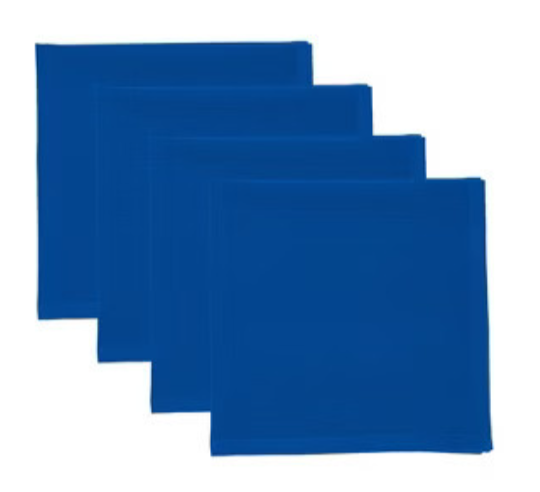
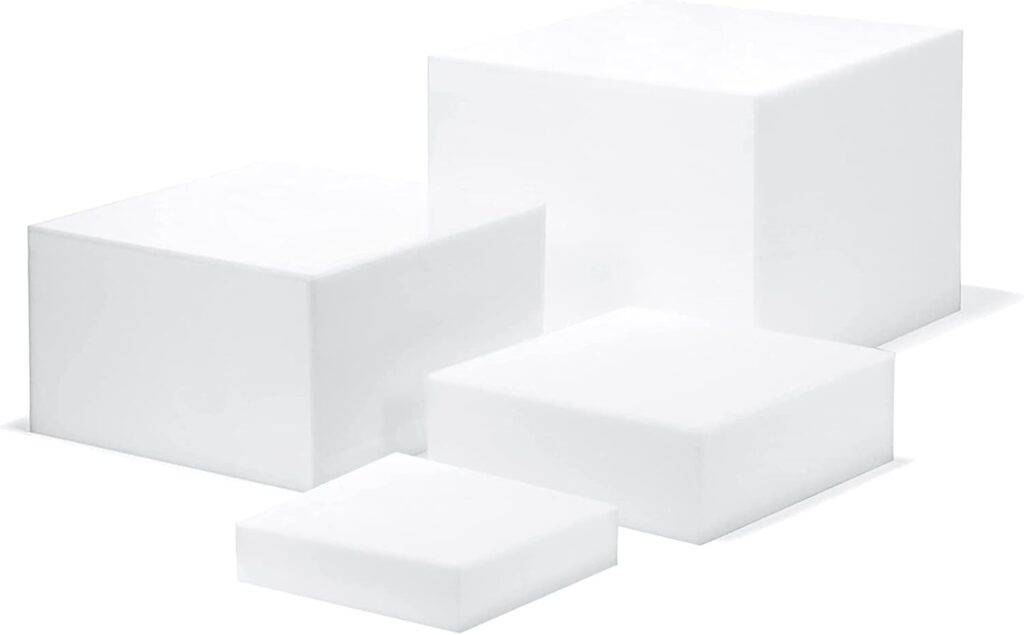
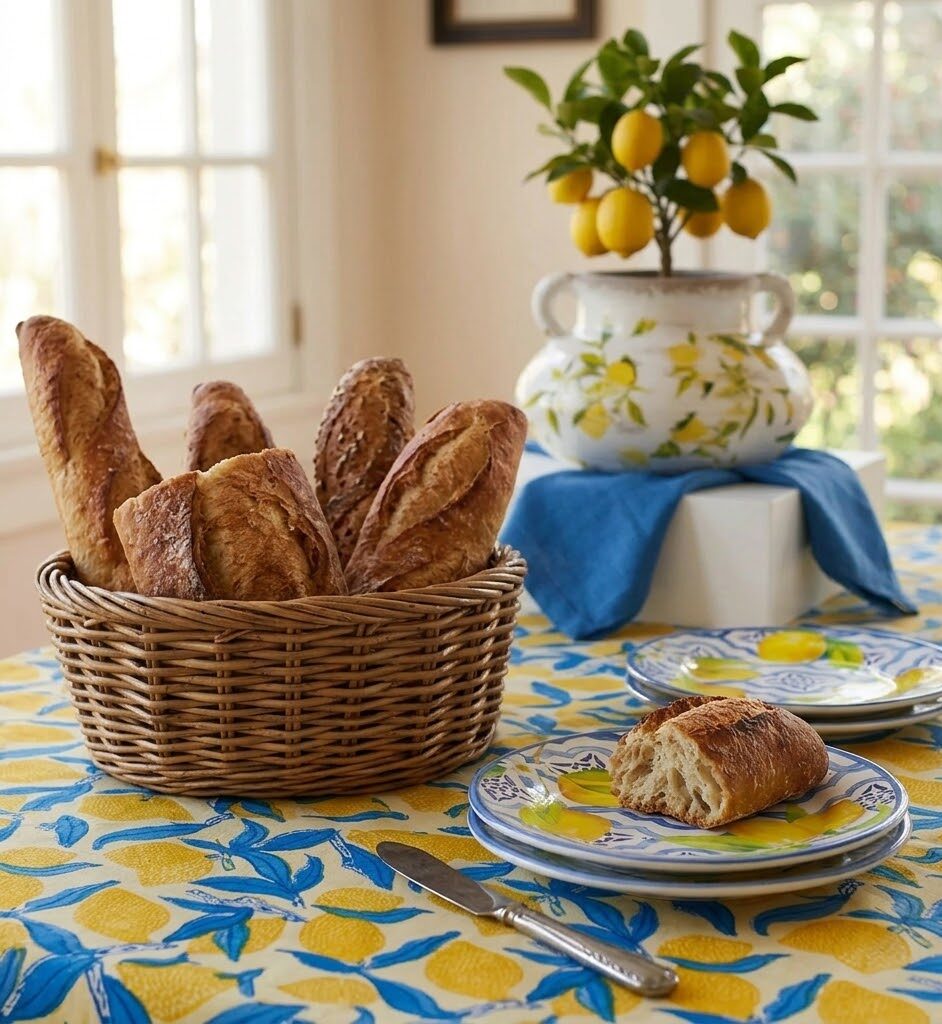
Your centerpiece sits on a white square riser. This lifts the miniature lemon tree above table level. The potted tree sits in a rustic white ceramic planter with handles and painted lemon motifs. A blue linen napkin drapes casually over the riser. The combination creates a focal point that photographs beautifully.
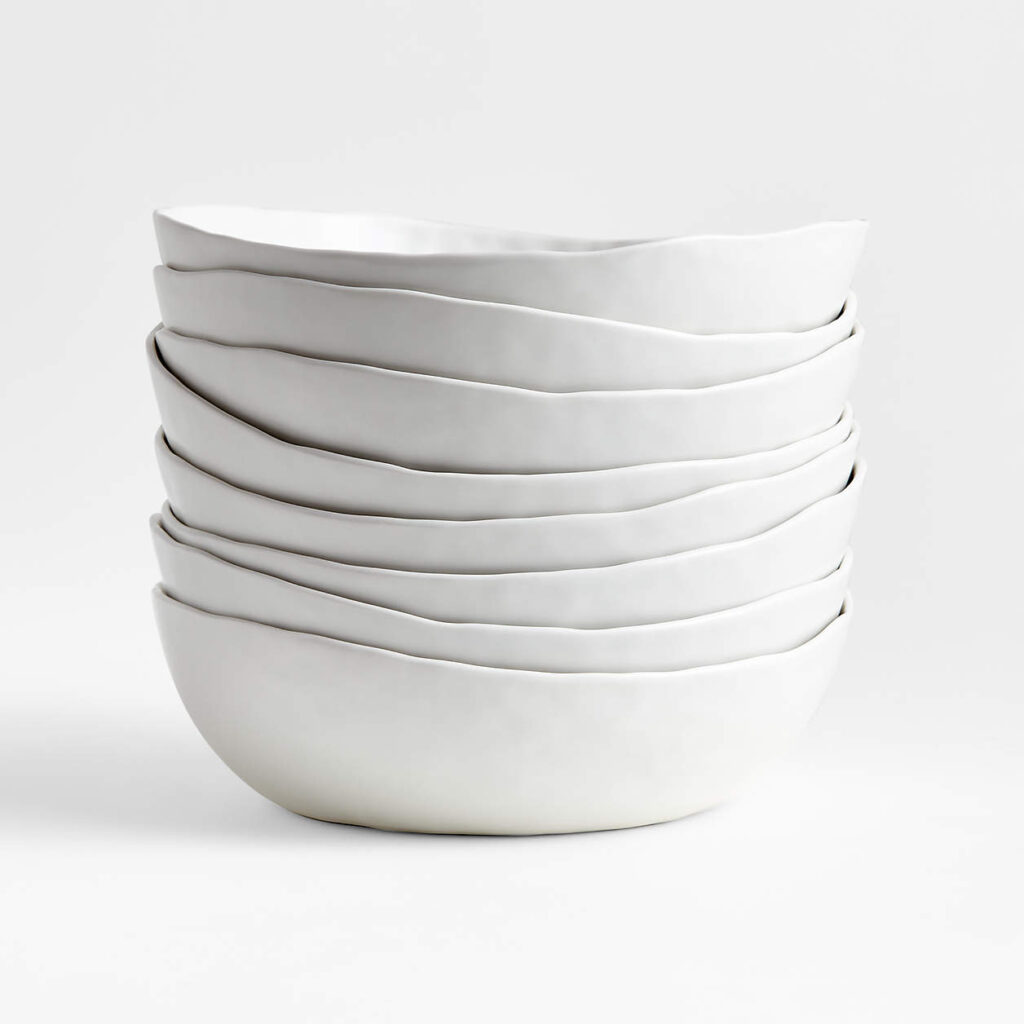
Stack pasta bowls rather than spreading them flat. Six to eight white ceramic bowls in a vertical arrangement take less table space and create cleaner lines. The stacked presentation signals abundance without clutter.
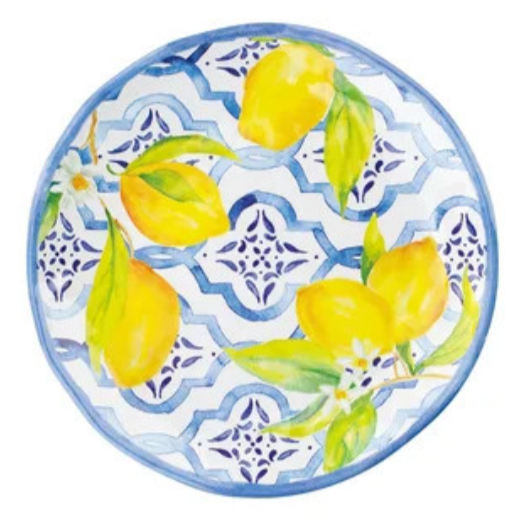
Layer your bread presentation too. A woven basket holds rustic baguettes standing upright. Lemon-pattern tile plates sit beside the basket. Some plates stack. One displays a torn piece of bread. The varied heights keep the bread station from looking flat.
Organized
Clear zones prevent guest confusion. Left side handles bread and appetizers. Center contains your main pasta service. Right side provides bowls, napkins, and toppings. Back right corner holds beverages. Each zone has a specific function.
The bread basket and lemon tile plates occupy your left station. Guests can grab bread while waiting for pasta or skip it entirely. The positioning doesn’t force interaction with the bread if someone wants to move straight to pasta.
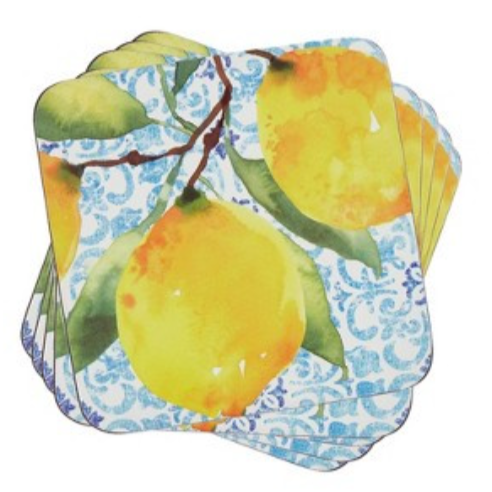
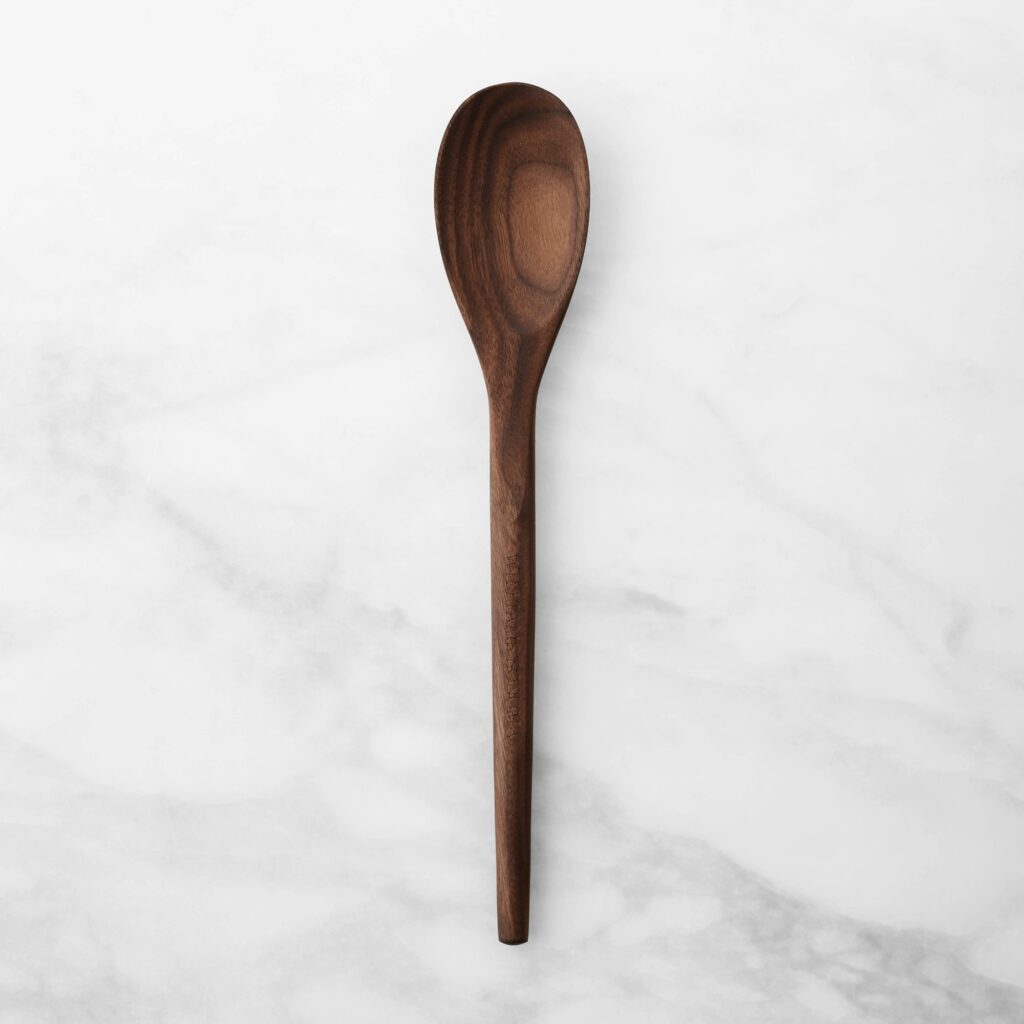
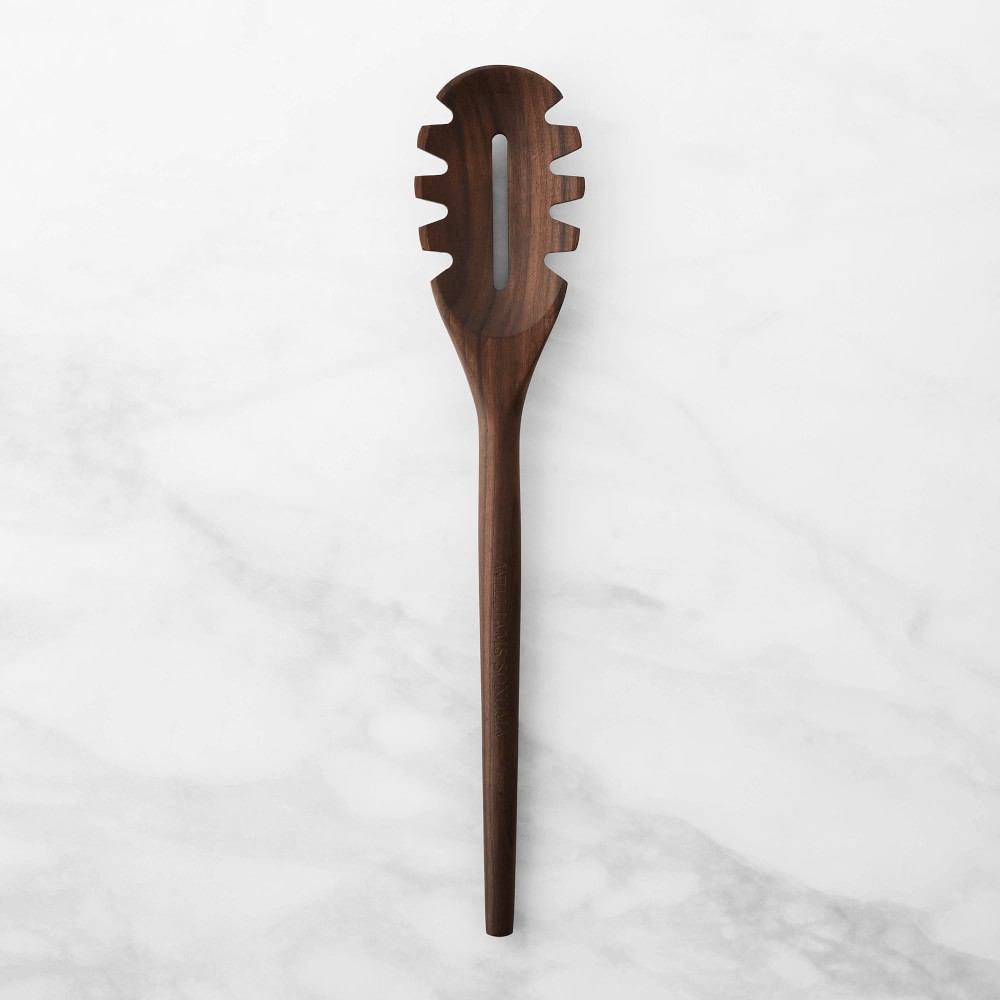
Your center pasta station contains both chafing dishes and serving utensils. Three wooden utensils rest on lemon-pattern coasters in front of the warmers. One pasta fork for the pasta dish. Two serving spoons for the sauces. The coasters protect your tablecloth from hot utensil handles. They also reinforce your Mediterranean tile aesthetic.
The right side groups everything guests need for self-service. White pasta bowls sit ready. Blue linen napkins fold nearby. Yellow toppings bowls line up in front. Someone can grab a bowl, fill it with pasta and sauce, add toppings, take a napkin, and move on. The flow is self-evident.
Within Reach
Self-serve functionality requires thoughtful placement. Position your pasta bar where guests can access it from multiple sides if possible. A round patio table works beautifully for this. Rectangular tables work when placed away from walls.
Chafing fuel keeps food serving-temperature without requiring you to monitor burners or make kitchen trips. Light the fuel before guests arrive. It burns for 2-3 hours typically. This covers most dinner party timelines without intervention.
Wooden serving utensils rest on decorative coasters rather than inside the chafing dishes. This prevents utensils from getting too hot to handle. It also keeps the presentation cleaner. Guests see the utensils immediately rather than hunting for them.
Stack napkins and bowls at the start of your serving line. Guests encounter these before they reach the pasta. This creates logical flow. Someone picks up a bowl first, then fills it, then grabs a napkin at the end.
Styled
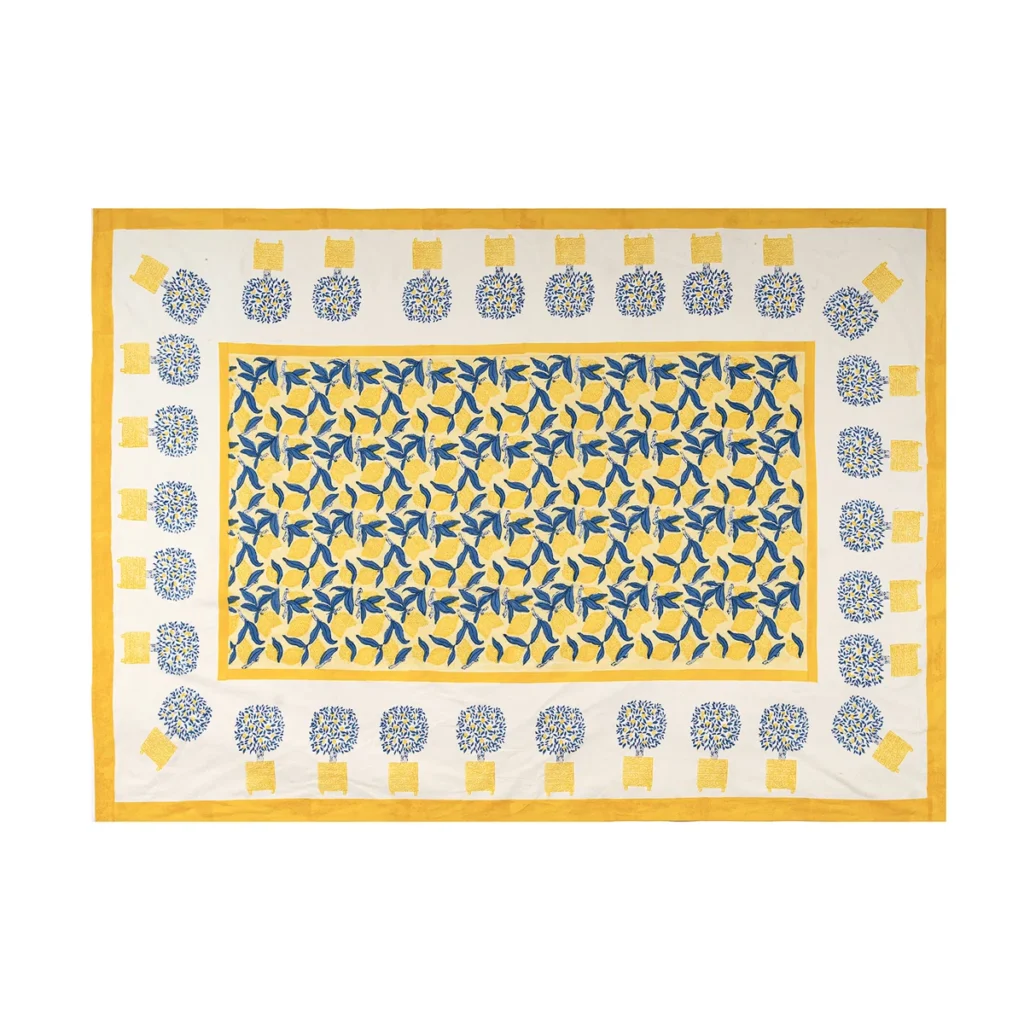
The Positano aesthetic relies on specific color and pattern choices. Your base is the yellow and blue lemon-pattern tablecloth. This establishes your coastal Italian identity immediately. The lemon tree motif with Mediterranean blue leaves creates visual rhythm across the table.
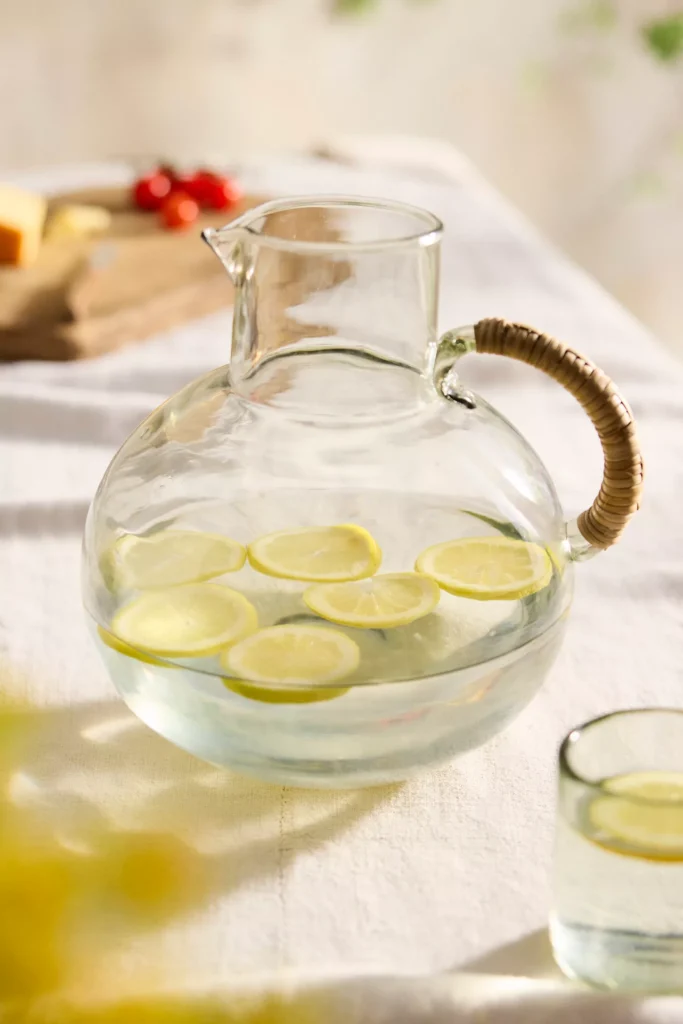
Lemon motifs repeat throughout without becoming overwhelming. The tablecloth shows lemon trees. The white ceramic planter has painted lemon branches. Small lemon-pattern tile plates echo the theme. The glass pitcher holds lemon slices in water. These repeated elements create cohesion.
Blue appears in multiple textures and tones. Cobalt blue linen napkins provide saturated color. The tablecloth’s blue is softer and more muted. Mediterranean tile patterns on plates and coasters add decorative blue details. This variation keeps the color interesting rather than monotonous.
White serves as your neutral anchor. White chafing dishes. Stoneware white ceramic pasta bowls. White square riser. White planter. The clean white base lets your blue and yellow elements stand out without visual competition.
Natural textures add warmth. Woven bread basket. Wooden serving utensils. Rattan-wrapped pitcher handle. These organic materials prevent the setup from feeling too slick or manufactured. They suggest handmade Italian craftsmanship.
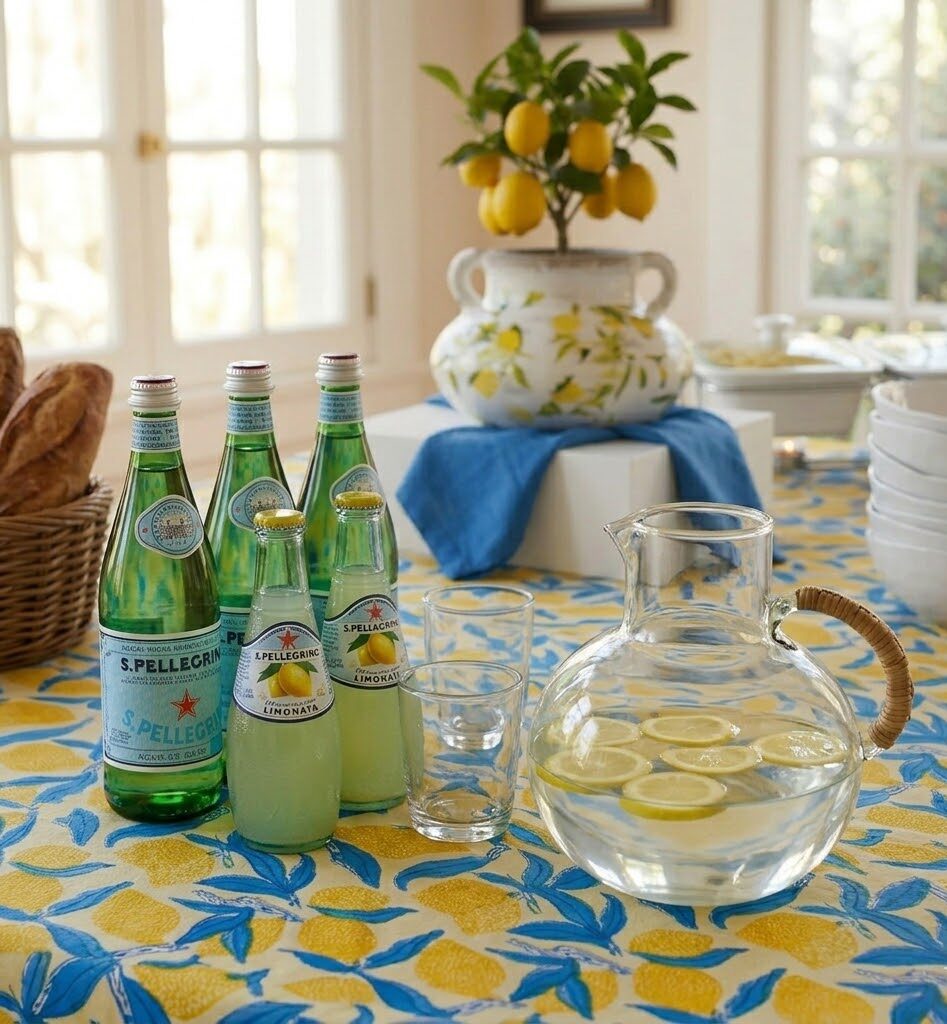
The beverage station reinforces your Italian theme without requiring explanation. Glass bottles of San Pellegrino sparkling water. Italian lemon limonata. A clear glass pitcher filled with lemon water. These choices signal attention to detail. They also photograph distinctively.
Sourcing Your Positano Pasta Bar
Mediterranean-style serving pieces are widely available. Look for items with lemon motifs, blue and white patterns, or rustic white finishes. You’re building a collected aesthetic rather than buying matching sets.
White chafing dishes with chrome stands keep the focus on your food and decorative elements. Choose rectangular shapes for versatility. A single warmer holds pasta. A double warmer handles two sauces. The white ceramic blends with your Positano palette better than stainless steel.
Lemon-decorated items come in multiple price points. Ceramic planters with painted lemon branches. Tile-pattern plates and coasters. Lemon-print tablecloths. These pieces establish your theme clearly. They’re reusable for other Italian or Mediterranean entertaining.
Blue linens in cobalt or Mediterranean tones work as napkins or decorative draping. Look for linen or cotton rather than synthetic fabrics. The natural fiber texture photographs better and feels more upscale.
Yellow Fiesta ware or similar brightly colored small bowls add cheerful pops of color. The saturated yellow reinforces your lemon theme without literal lemon patterns. Mix these with your patterned pieces for variety.
Wooden serving utensils in walnut or other dark wood tones provide warm contrast against white dishes and blue linens. Choose pasta forks and serving spoons with smooth finishes. These get used directly with food so quality matters.
Making Positano Work for Your Space
Table size dictates how many elements you display. A 48-inch round table holds the full setup comfortably. Smaller tables work with scaled-down versions. Choose two chafing dishes instead of three. Reduce toppings to two bowls instead of three.
Indoor placement gives you controlled lighting. Position your table near windows if possible. Natural light makes the yellow and blue colors photograph beautifully. Avoid harsh overhead fluorescents if you have control over lighting.
The lemon tree centerpiece needs real height to work as a focal point. A miniature potted lemon tree with visible fruit creates impact. Artificial versions work if they’re high quality. Skip small lemon branches in a vase. The scale doesn’t match the statement you’re making.
Keep your pasta simple. This isn’t the moment for complicated recipes. Well-cooked penne with good olive oil tastes better than mediocre homemade pasta with fancy sauce. The Positano styling elevates simple food through presentation.
Guest count determines your quantities. Plan one pound of dry pasta per four people. Make extra sauce rather than extra pasta. Sauce reheats easily. Overcooked pasta sitting in a warmer gets mushy.
Weather doesn’t affect indoor pasta bars the way it impacts outdoor setups. You don’t need backup plans for wind or rain. The controlled environment lets you focus entirely on styling rather than logistics.
Positano pasta bars work for casual dinners and special occasions equally. The aesthetic scales up or down based on your event. Birthday parties. Casual weeknight gatherings. Holiday entertaining. The same setup works because the visual identity stays consistent.
The key advantage of the Positano approach is memorability. Your guests remember the lemon tree. The blue and white tiles. The Italian sparkling water bottles. They remember that you created something distinctive. That’s the hosting skill you’re showcasing.