Bagel Bar Ideas
Bagel Bar Ideas for 12-20 People
Bagel bars usually mean one thing. Everyone crowding around the same table. Reaching across strangers for tongs. Dipping into communal cream cheese tubs. Touching bagels you do not want while hunting for the everything bagel buried underneath. The hands-off approach changes this completely.
Pre-plate each bagel on its own stainless steel plate. Stack plates between bagels for space efficiency. Portion individual toppings into small bowls guests grab without sharing. No tongs needed or communal dipping. No awkward reaching or accidental touching. This setup works equally well for close friends, family, office colleagues, or people you barely know.
The mechanics solve practical problems while looking intentional. Guests grab their plated bagel, select two or three topping bowls that fit on the same plate, and carry everything to their desk, table, or patio. Knives and utensils wait at the eating area. Assembly happens away from the bar. Traffic flows smoothly. Everyone gets exactly what they want without navigating other people’s breakfast.
The FLOWS Method for Bagel Bars
Fully Stocked: Quantities for 12-20 People
Your bagel count determines everything else. Plan on 1.25 to 1.5 bagels per person, or roughly 18 bagels for 12 people and up to 30 bagels for 20 people. If this is the main meal, lean higher. If you are serving fruit, pastries, eggs, or yogurt alongside it, you can stay closer to the lower end.
Variety matters more than volume once you hit the minimum. Six each of four varieties covers most preferences. Plain bagels. Everything bagels. Sesame bagels. Poppy seed bagels. Skip novelty flavors like blueberry or cinnamon raisin unless you know your group wants them. Savory toppings work better with neutral base flavors.
Slice every bagel before plating. This is non-negotiable. Pre-sliced bagels mean guests spread immediately. No knife at the bar means faster flow and less confusion. You handle the prep work once. Guests handle assembly at their seats.
Plating
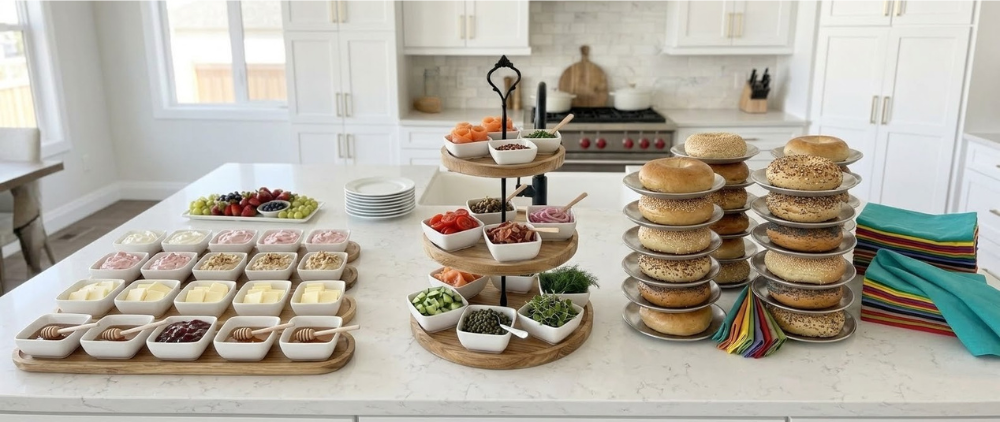
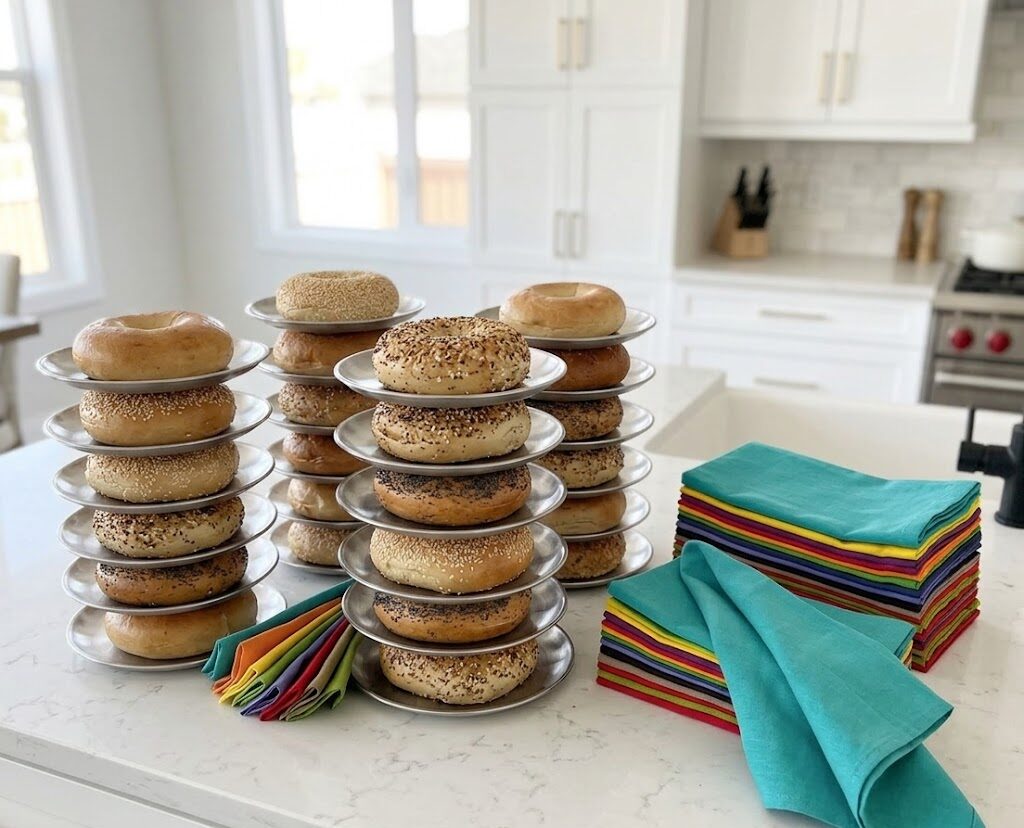
Stainless steel plates stack between bagels for vertical storage. Start with a plate on your counter. Add a sliced bagel and another plate. Add another bagel. Repeat until you have six to eight bagels per tower. Build three to four towers total. This creates visual height while saving horizontal space.
Your topping quantities scale to portions, not bulk containers. For most groups, plan on more sweet spreads than savory add-ons, but not by a huge margin. Sweet toppings are the fastest grab-and-go option, while savory toppings appeal to a smaller group of guests who want a more composed bagel. This sounds excessive until you realize each person grabs two to three small bowls. Individual portions mean zero waste from communal tubs people barely touch.
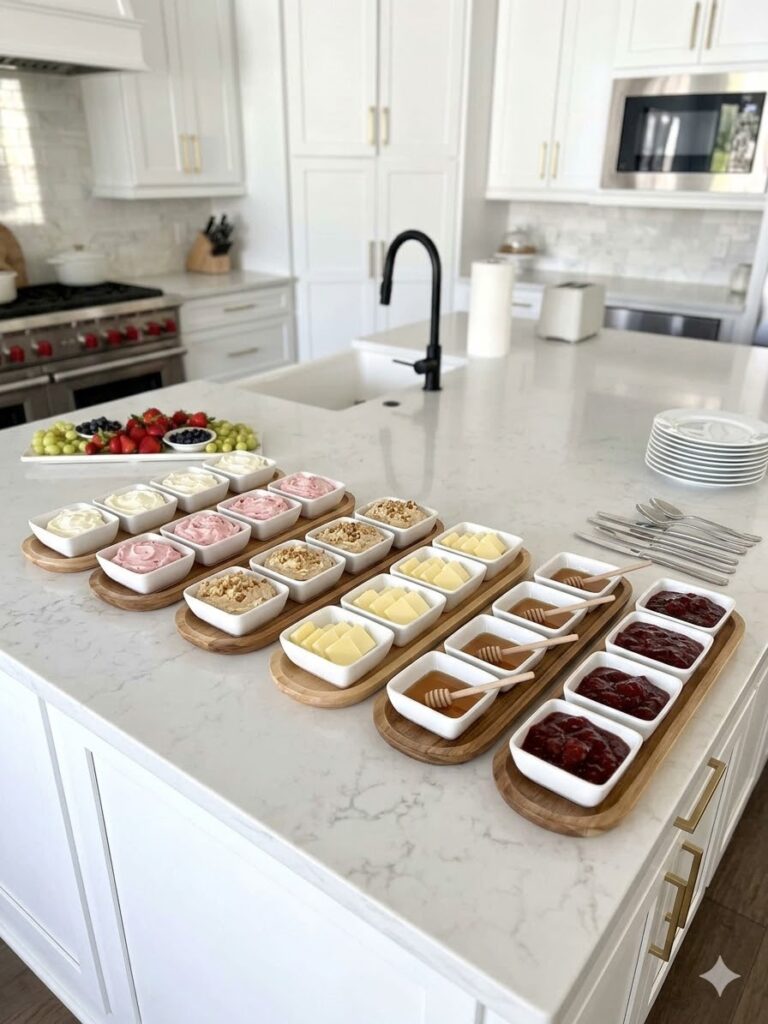
Sweet toppings cover six varieties. Plain cream cheese. Strawberry cream cheese. Honey walnut cream cheese. Butter. Honey. Jam. Portion each into small square melamine bowls approximately three inches across. Arrange twelve portions of each topping on oblong wood serving trays. Two rows of six bowls per tray. Six trays total.
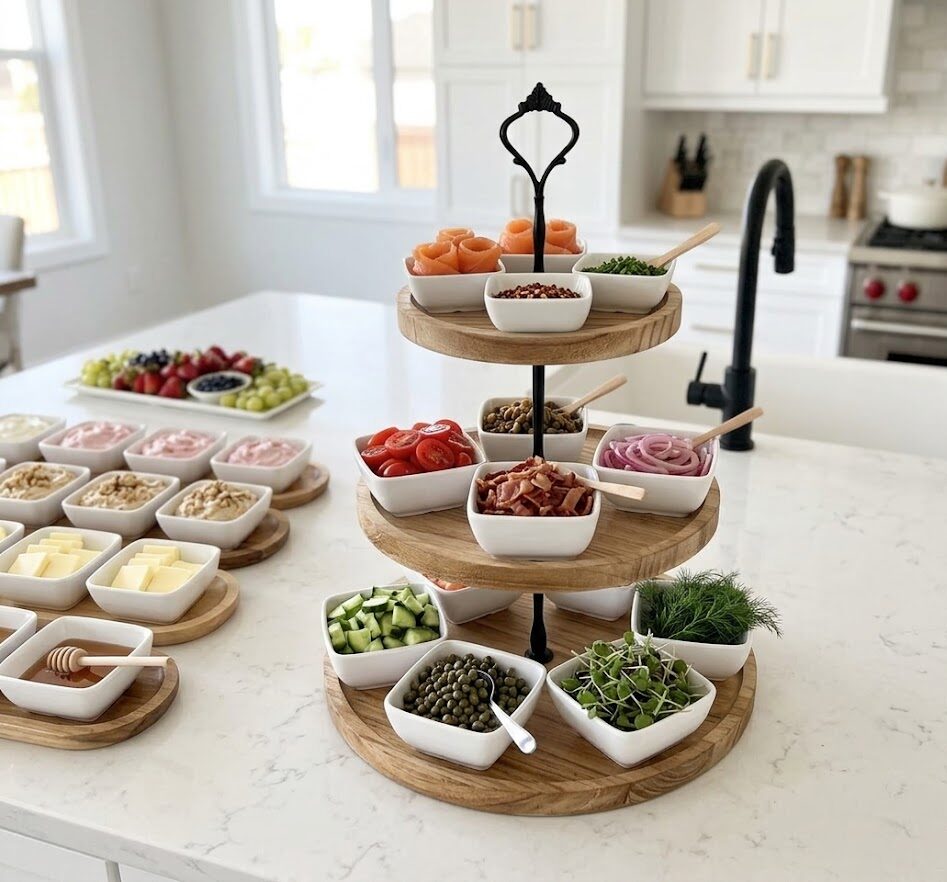
Savory toppings display on a three-tier stand. Bottom tier holds smoked salmon and plain cream cheese for savory bagels. Middle tier holds capers and thinly sliced red onions. Top tier holds sliced tomatoes and cucumber rounds. Each topping gets portioned into the same three-inch square bowls. Guests grab what they want without serving spoons or communal containers.
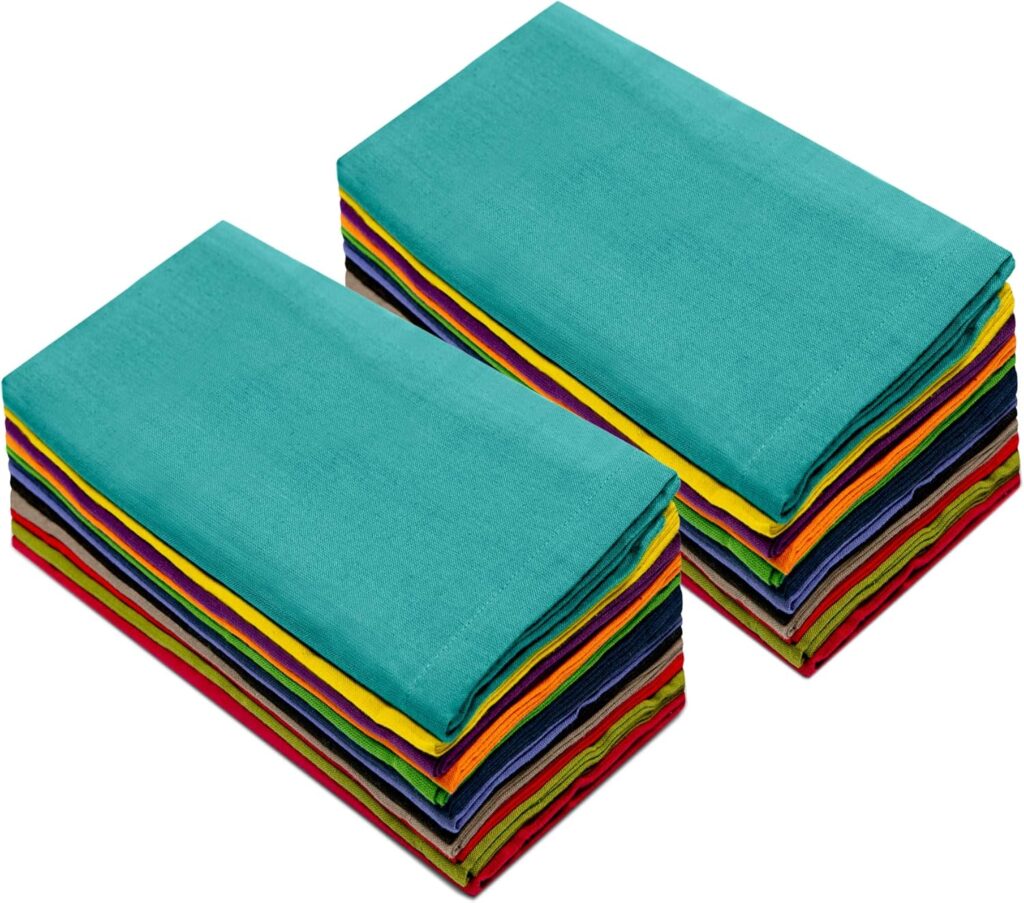
Multicolor cotton napkins add visual energy without extra styling effort. Stack them in rainbow order near the plates. Turquoise, yellow, red, purple, orange, green. The bright colors signal this is a celebration, not a sad office breakfast.
Layered: Display Creates Flow
Height variation guides eye movement and traffic flow. Your bagel towers provide vertical presence. The tiered stand adds mid-level interest. The flat topping trays anchor the base layer. This creates natural left-to-right progression across your setup.
Sweet toppings occupy the left side of your counter or table. Six wood trays lined up in a row. Each tray clearly shows one topping type. Plain cream cheese looks white and smooth. Strawberry cream cheese shows pink color. Honey walnut cream cheese displays tan with visible walnut pieces. Butter portions sit pale yellow. Honey pools golden amber. Jam glistens deep red.
The color variation itself provides organization. Guests scan the row and grab bowls of what appeals. In a home setting, the color variation often makes labels unnecessary. For office breakfasts or larger groups, small labels can make the setup even easier to navigate.
Your savory display sits center or slightly right of center. The three-tier wood stand creates focal height. Smoked salmon on the bottom tier shows orange-pink color. Capers and onions on the middle tier provide green and purple contrast. Tomatoes and cucumbers on top add red and green freshness. The vertical arrangement means everything stays visible even as bowls get taken.
Bagel towers position right of the savory stand. Multiple towers create rhythm. Three towers of six bagels each works better than one tower of eighteen. The repetition looks abundant without looking precarious. Stainless steel plates work especially well here because they are slim, stackable, lightweight to carry, and dishwasher safe.
Napkins stack at the far right end. This placement makes sense functionally. Guests grab their plated bagel first, select topping bowls second, grab a napkin last as they leave the bar area. The sequence follows natural movement.
Organized: Zones Prevent Bottlenecks
Clear zones eliminate confusion and crowding. Sweet toppings zone. Savory toppings zone. Bagel selection zone. Napkin zone. Each area handles one decision point. Guests move through sequentially without backtracking.
The sweet zone spans six feet if you line trays end to end. This allows two people to browse simultaneously without bumping. One person selecting strawberry cream cheese does not block another person reaching for honey. The horizontal spread prevents bottlenecks.
Your savory zone stays compact because fewer people choose savory over sweet. The tiered stand concentrates options vertically in eighteen inches of counter space. One person accesses all tiers without moving position. Quick selection. Minimal footprint.
Bagel towers need clearance on all sides. Position them with at least twelve inches of open counter around the perimeter. This prevents toppling when someone lifts a plate from the middle of a stack. The stainless steel is slippery. Extra space provides margin for clumsy reaches.
Traffic flow runs left to right for right-handed majority. Left-handed guests can start from the right and work backward if they prefer. The key is that zones do not force crossing paths. Linear progression keeps movement smooth.
Within Reach: Self-Service Without Contamination
The hands-off principle solves the core problem with traditional bagel bars. No one touches food they do not take. Nobody uses tongs that touched someone else’s hand. No one dips spreaders into communal cream cheese after touching their bagel.
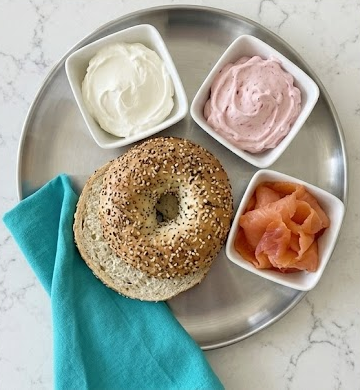
Each bagel sits on its own stainless steel plate. Guests lift the plate, not the bagel. The plate becomes the handle. This protects the bagel from direct hand contact until it reaches the person who will eat it. Simple physics creates hygiene barrier.
Individual topping bowls mean personal portions. Grab a bowl of plain cream cheese. That bowl is yours. Spread as much or as little as you want. No serving spoon needed or returning unused portions to communal containers. No cross-contamination between bowls.
The three-inch square bowls fit on the same plate as the bagel. Test this before your event. Place a bagel on your stainless steel plate. Add two or three small bowls around the bagel. Everything should sit stable. This matters because guests carry plates to their eating location. Wobbly loads mean cream cheese on the floor.
The Process
Assembly happens away from the bar. Knives and spreading utensils wait at desks, tables, or patio seating areas. Guests carry their plated bagel and topping bowls to wherever they will eat. This separates selection from construction. The bar stays clean. The eating area handles the mess.
This workflow accommodates different settings seamlessly. Office bagel bars mean people take plates back to desks. Home brunch means carrying to the dining table. Outdoor party means walking to patio furniture. The portability works regardless of venue.
No toaster appears in this setup intentionally. Toasters create three problems. Burnt bagel smell kills appetite and makes the whole space smell like char. Toasting creates bottlenecks as people wait for their turn. Someone always burns theirs because they like it extra crispy. Skip the toaster. Room temperature bagels with quality cream cheese taste fine.
Pre-sliced bagels eliminate the need for knives at the bar. You slice everything during setup. Guests grab and go. Slicing also ensures even halves. Nothing worse than a poorly cut bagel that will not accept spreads evenly. Do this step yourself with a sharp serrated knife. Your guests get perfect halves every time.
Styled: Modern Minimal Without Fuss
The visual appeal comes from repetition and materials, not decoration. Wood serving trays. White dipping bowls. Stainless steel plates. These three materials create cohesion. The natural wood adds warmth. The white stays clean and neutral. The steel provides modern shine.
Color comes from food, not props. Pink strawberry cream cheese. Golden honey. Deep red jam. Orange smoked salmon. Purple red onions. Green cucumbers. The toppings themselves create the palette. No need for themed napkin rings or bagel-shaped serving boards or coffee shop signage.
The multicolor napkins provide the only decorative flourish. Stack them so the rainbow stripes show. This adds playful energy without looking juvenile. Cotton fabric feels nicer than paper. The weight signals this is a real meal, not a grab-and-go situation.
Spacing matters as much as the items themselves. Leave breathing room between zones. Do not crowd the counter edge to edge. White space makes the setup look intentional rather than chaotic. Twelve inches between your sweet trays and the savory stand. Eight inches between the savory stand and bagel towers. Six inches between bagel towers and napkins.
Your background matters if people will photograph this. A clean kitchen with white cabinets works. A marble or quartz countertop works. Avoid busy wallpaper or cluttered backgrounds. The food should be the focus. Simple surroundings let the abundance shine.
Natural light makes everything look better. Set up near windows if possible. Avoid overhead fluorescent lighting that makes cream cheese look gray. Morning light works best for breakfast timing. If your event runs later, supplement with warm-toned lamps rather than harsh ceiling fixtures.
Sourcing Your Hands-Off Bagel Bar
Most components for this setup come from standard home goods retailers. The key is getting quantities right for individual portions rather than buying bulk serving dishes you will use once.
The right serving pieces are what make this bagel bar feel organized instead of improvised. Once you switch from communal tubs to personal portions, the whole experience becomes easier for both host and guest.
Shopping List
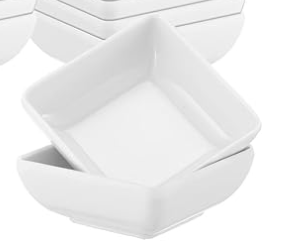
Square melamine dipping bowls work perfectly for single-serve toppings. Look for three-inch size. These need to fit on a plate alongside a bagel without tipping. White color shows the topping colors clearly. Melamine is lightweight and durable. Purchase sixty bowls minimum for twelve to twenty guests. This covers all sweet and savory options with a few extras.
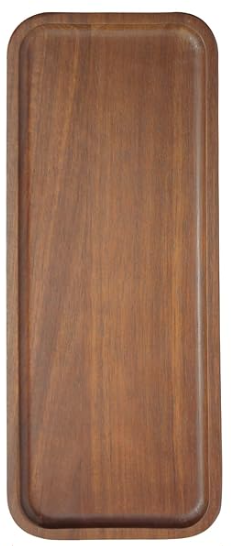
Oblong wood serving trays display your sweet topping bowls in organized rows. Natural acacia or bamboo finish adds warmth. Size should accommodate twelve bowls comfortably with slight spacing between. Look for trays approximately eighteen inches long and ten inches wide. Purchase six trays for six sweet topping varieties.
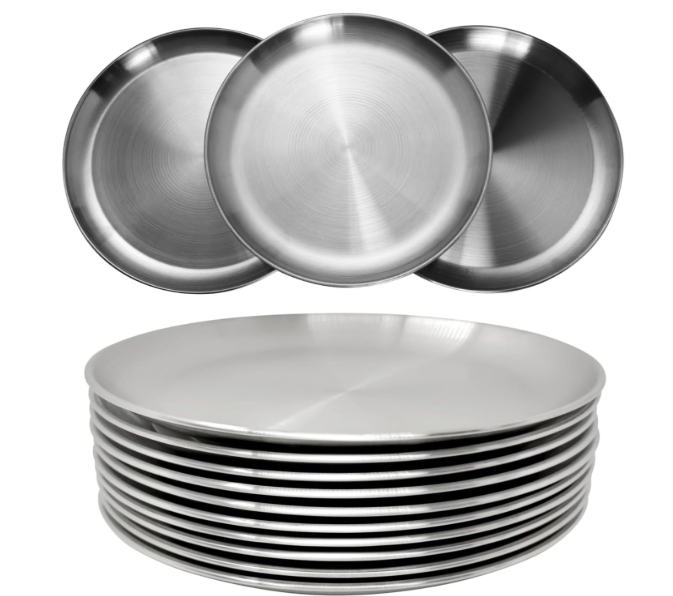
Stainless steel plates for bagel stacking need to be basic round dinner plates. Nine to ten inch diameter works. Avoid plates with decorative rims or patterns. You want flat, smooth surfaces that stack cleanly. These will not show in the final presentation since they hide between bagels. Purchase twenty to thirty plates depending on how many towers you build.
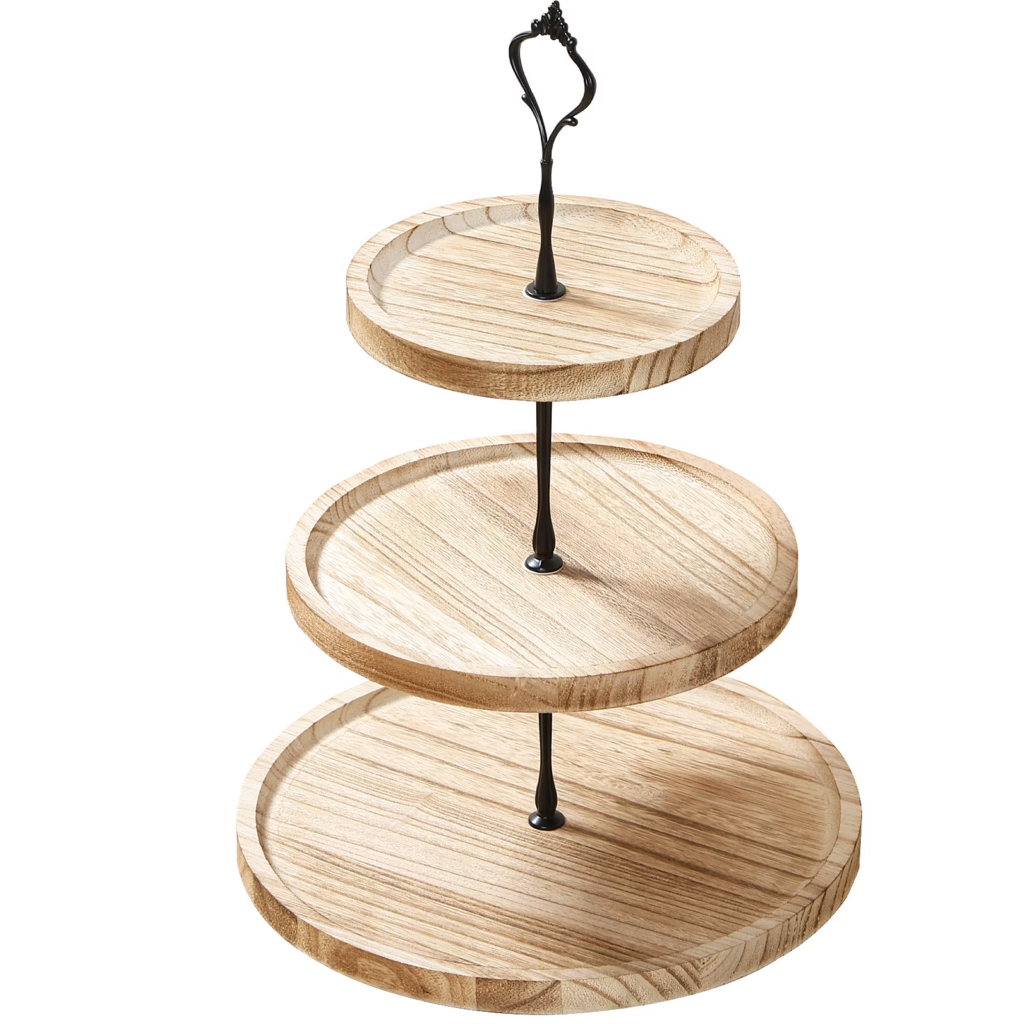
A three-tier serving stand displays savory toppings at varying heights. Look for wood tiers with metal rod construction. Each tier should fit four to six small bowls. Natural wood finish matches your serving trays. This becomes your savory centerpiece.
Multicolor cotton napkins add visual punch without additional styling. Look for rainbow assortments or sets with multiple bright colors. Cotton feels better than paper for a sit-down meal situation. Purchase twenty-four napkins minimum to ensure you have enough even if some get discarded.
Food Items
Bagels should come from a good bakery rather than grocery store plastic bags. Order from a local bagel shop the morning of your event or the night before. Specify you need them sliced. Most shops will do this if you call ahead. Transport carefully to avoid crushing. Once home, immediately stack onto plates before bagels dry out or get stale.
Cream cheese varieties can be store-bought or homemade. Philadelphia brand works fine. Store brands work fine. If making flavored cream cheese yourself, mix plain cream cheese base with additions the night before so flavors meld. Strawberry needs macerated berries. Honey walnut needs crushed walnuts and honey. Keep mixtures refrigerated until portioning into bowls.
Smoked salmon quality matters significantly. Avoid pre-packaged lox from big box stores if possible. Visit a fish counter or specialty shop. Ask for Nova or Scottish-style. Request thin slicing. You need approximately one pound for twenty people assuming not everyone chooses savory.
Fresh vegetables for toppings should be prepped the morning of. Slice red onions thin on a mandoline. Cut tomatoes into quarter-inch rounds. Slice cucumbers into coins. Drain vegetables on paper towels to remove excess moisture before portioning into bowls. Wet vegetables make everything soggy.
Making This Work in Different Settings
The hands-off bagel bar adapts to multiple occasions because the core mechanics remain constant. Individual portions. Pre-plated bagels. Portable assembly. These principles work regardless of venue.
Office breakfast meetings benefit from the desk-portable format. Employees grab plated bagels and topping bowls, return to their desks, and eat while working. No conference room required. No lingering cleanup of communal spreads. The bar can sit in a break room or reception area. People cycle through on their own schedule.
Home brunch parties use the same setup with different flow. Guests might linger at the bar chatting while selecting toppings. They carry plates to a dining table for seated conversation. The bar stays active throughout the meal as people return for seconds. Outdoor patio extension works if weather permits.
Family gatherings with kids appreciate the individual portions. Children grab their own bowls of cream cheese without adult assistance. No arguing over who touched what. No waste from rejected spreads. Parents control quantities by pre-selecting which bowls kids can access.
Meetings with clients or people you do not know well gain professionalism from the hygiene-conscious approach. No awkward tong-passing. No watching someone dig through bagels with their hands. The setup signals attention to detail and consideration for comfort. First impressions matter. This makes a good one.
Scaling Group Size
The setup scales down easily for smaller groups. Eight people means twelve bagels, four towers, three sweet topping trays instead of six, and smaller savory portions. The ratios stay consistent. The mechanics stay identical. Just reduce quantities proportionally.
Weather affects outdoor setups. Wind blows napkins. Sun wilts vegetables. Plan accordingly. Weight down napkins with a small object. Keep vegetables in the shade or bring bowls out in batches. Have a backup indoor location if conditions deteriorate. The portable nature of pre-plated bagels means quick pivoting if needed.
The hands-off bagel bar succeeds because it removes friction points. No shared serving tools. No communal food contact. Or crowding to access popular items. No complicated assembly at the bar. Guests get what they want quickly and carry it away. The bar keeps flowing. Everyone eats exactly what appeals to them. That is the goal of any good setup.