Small Coffee Bar Ideas
How I Fit My Entire Coffee Bar in 18 Inches (This Corner Organizer Changed Everything)
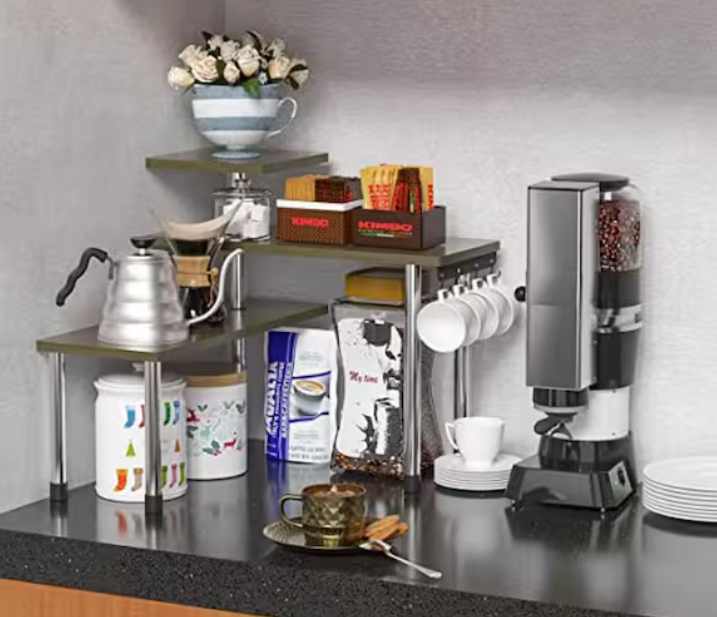
Small coffee bar ideas and engineering efficiency.
I have 18 inches of counter space between the stove and the corner. That’s it.
For months, I thought that meant no coffee bar. Maybe a coffee maker if I shoved everything else out of the way. Definitely no room for beans, grinder, mugs, supplies—the things that make morning coffee actually work.
I was wrong. My counter wasn’t space-limited. I was thinking in two dimensions instead of three.
This corner organizer unlocked vertical space I didn’t even know I had. Now I have a coffee bar that works better than Starbucks—in a footprint smaller than a laptop.
Engineering excellence in 18 inches or less.
Why Small Counters Feel Impossible (The 2D Thinking Trap)
You look at your 18 inches of counter and do the math: coffee maker takes 12 inches. That leaves 6 inches for everything else. Mugs, beans, grinder, supplies—no way it fits.
Here’s what you’re missing: you’re only thinking horizontally.
Coffee maker = 12 inches wide × 8 inches deep × 12 inches tall. But that height? That’s just air. Wasted vertical space floating above your counter doing nothing.
Starbucks doesn’t have bigger counters than you. They just think vertically.
Their coffee bars are layered—espresso machine on the counter, syrups on shelves above, cups stacked in organized tiers, supplies in pull-out drawers underneath. They’re using the same square footage you have. They’re just using it in three dimensions.
The problem isn’t your counter size. It’s your spatial strategy.
What doesn’t work in small spaces:
Spreading out: When you only have 18 inches, you can’t line things up side by side. Coffee maker, grinder, mug, canister—they’re competing for the same linear space.
Going wide: Wide containers, wide appliances, wide trays—they eat your limited counter footage. Every inch of width costs you.
Thinking flat: Treating your counter like a 2D surface instead of a 3D workspace. Your vertical space is just as valuable as your horizontal space. Maybe more valuable.
Ignoring corners: Most kitchens waste corner space completely. It sits empty because people don’t know what fits there. Meanwhile, you’re cramming everything into your limited straight-run counter.
This is why you’ve been fighting your space instead of using it.
The Corner Organizer That Changed Everything
I bought a 3-tier adjustable corner shelf organizer for $24 and suddenly had room for everything.
Not “some things.” Everything.
Here’s why this specific solution works when you have almost no counter space:
It Unlocks the Corner (Dead Space → Prime Real Estate)
That corner where your two counter edges meet? You’re not using it. It just sits there, empty, because nothing fits the angle.
This organizer treats the corner like the most valuable real estate in your kitchen. It’s specifically designed for that 90-degree angle. Suddenly the space you thought was useless becomes your most productive zone.
Footprint on your counter: Less than 12 inches in each direction. Usable surface area you gain: 3 full shelves of storage.
You just tripled your counter space without using any additional linear footage.
It’s Adjustable (Corner OR Straight Run)
Can’t use a corner? The organizer adjusts to run straight along your counter instead.
Switched kitchens? Moved apartments? Reorganized your layout? The organizer adapts. You’re not locked into one configuration.
This is engineering, not decorating. The product works for your space, not the other way around.
It Creates Vertical Zones (Everything Has a Level)
Top shelf: Less-used items, decorative elements, things you need weekly not daily. Height keeps them out of your workflow but still accessible.
Middle shelf: Your daily coffee essentials. Beans, ground coffee, sugar—whatever you touch every morning. Eye-level access, arm’s reach, no bending.
Bottom shelf: Your coffee maker or your active workspace. The largest items or the zone where you actually make your coffee.
Under the middle shelf: Integrated hooks for hanging mugs. This is the brilliant part—your mugs don’t take up ANY shelf surface. They hang in the air underneath, using space that would otherwise be empty.
You’re not just adding shelves. You’re creating a multi-level system where every zone has a purpose.
It Looks Intentional (Not DIY)
Wood shelves with metal posts. Clean lines. Industrial-meets-warm aesthetic. This doesn’t look like you cobbled together a solution. It looks like you designed a coffee bar.
When guests see it, they don’t think “cute space-saving hack.” They think “that’s a really smart setup.”
Because it is.
What Actually Fits (And Where It Goes)
The organizer gives you the structure. Here’s what I put on it to make it actually work:
Top shelf:
- Stainless steel tumbler (5 inches tall, narrow footprint) holding hand-carved walnut coffee stirrers
- Small items you need occasionally but not daily
- Decorative element if you want (but not required)
Middle shelf:
- Thermal creamer (keeps cream cold overnight, no fridge trips at 6am)
- Three uniform-height canisters: two clear glass for coffee/beans (visibility), one matte black for sugar (light protection)
- Everything at the same height creates visual rhythm—industrial, not random
Hanging from middle shelf:
- Three handmade stoneware mugs (the fourth lives on the tray while you’re using it)
- Left and right-handed ergonomic designs
- Visible storage that doubles as display
Bottom shelf:
- Empty (or your coffee maker if it fits)
- This is your flex zone—use it for whatever your specific setup needs
On the counter next to the organizer:
- Burl wood tray (your active coffee-making zone)
- Coffee scale with timer on the tray (barista-level precision)
- One mug on the tray (where your coffee lives while you’re making it)
Total footprint on your counter: About 18 inches corner-to-corner. Everything else is vertical.
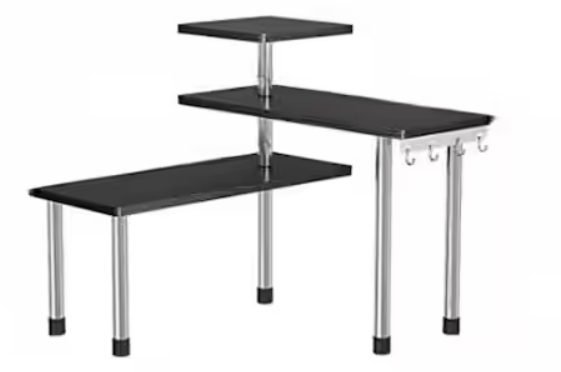
This adjustable corner organizer is the foundation. Three levels of storage in a corner footprint.
The Accessories That Prove This Is Engineering, Not Decorating
The corner organizer solves your space problem. These accessories prove you’re not just organizing—you’re engineering a coffee bar that rivals commercial setups.
The Coffee Scale That Makes It Serious
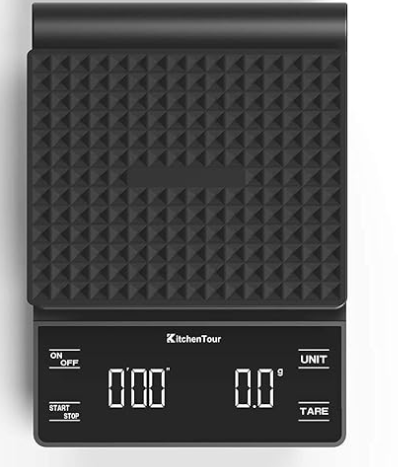
Coffee scale with timer – barista-level precision in a compact footprint
Starbucks measures everything. Water, coffee, time—precision creates consistency.
You can do the same thing. In 18 inches.
This compact digital scale sits on your burl wood tray. Measures your coffee to the gram. Times your pour-over to the second. Fits in a 5×5 inch footprint.
This is how you know it’s not a “cute coffee corner.” It’s a precision coffee station.
Perfect coffee ratios every single time. No guessing. No “eh, that looks about right.” Just consistently excellent coffee made with the same attention to detail as a professional barista.
Small space doesn’t mean amateur coffee. It means you have to be MORE intentional about quality.
The Thermal Creamer That Solves the Fridge Problem
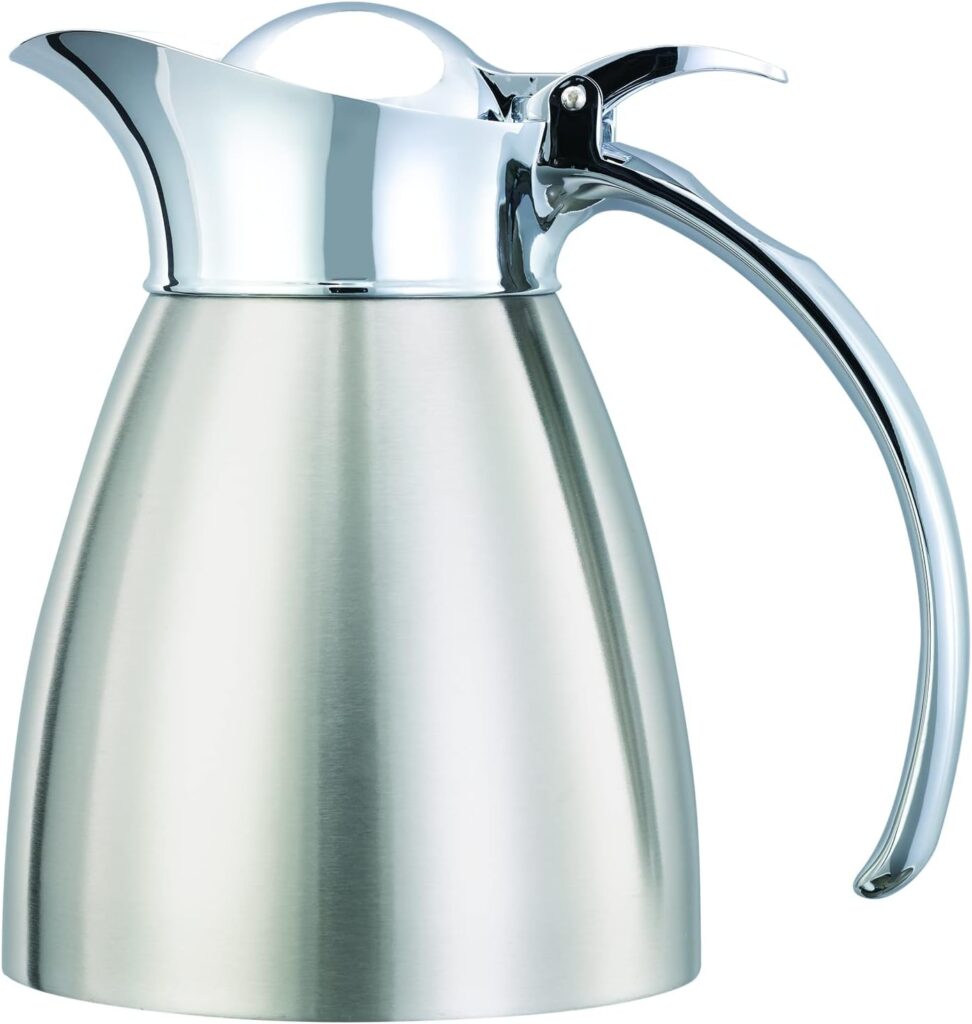
10oz thermal creamer keeps cream cold overnight on your counter
Here’s a problem nobody talks about: your cream lives in the fridge. Your coffee bar doesn’t.
Every morning: make coffee, walk to fridge, get cream, walk back, add cream, walk to fridge, put cream away.
That’s six steps and two trips across your kitchen. Before 7am. While you’re barely awake.
This 10-ounce insulated creamer sits on your middle shelf. Fill it before bed. It keeps cream cold for 12+ hours without refrigeration.
Morning routine: Make coffee. Reach 8 inches to your left. Pour cream. Done.
Starbucks-grade thermal insulation. Coffee shop efficiency. Fits on a 6-inch shelf.
No fridge trips or extra steps. No leaving your 18-inch coffee zone.
This is engineering. Every motion eliminated. Every second saved.
The Burl Wood Tray That Defines Your Workspace
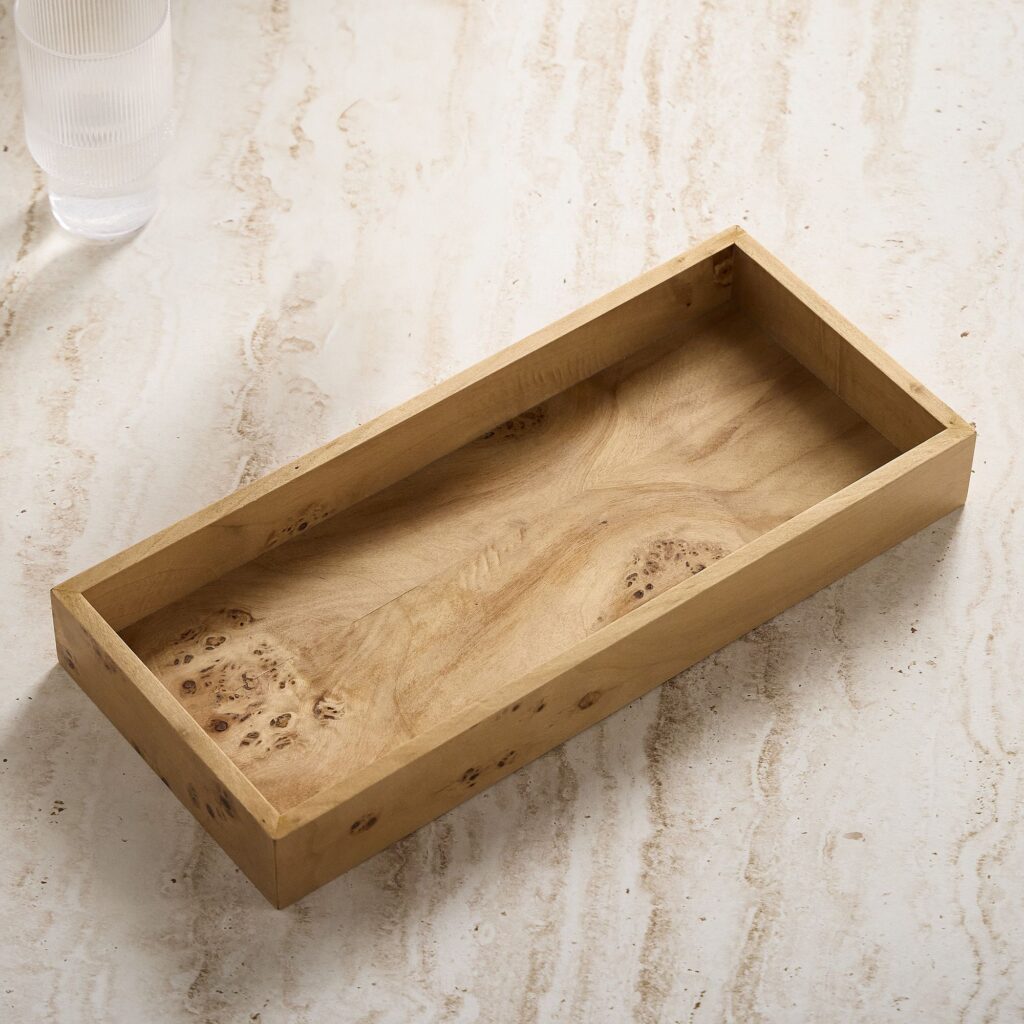
Burl wood tray becomes your active coffee-making zone
Small spaces need boundaries. Without them, everything sprawls.
This narrow burl wood tray sits on your counter next to the organizer. It’s your active workspace—where your mug lives while you’re making coffee, where your scale sits, where the actual work happens.
Dimension: 16 inches long × 4 inches wide. Fits next to your organizer without crowding.
But here’s why it matters: burl wood is a premium material.
Starbucks spends millions on design. You spent $45 on a piece of burl wood. And your setup looks more intentional than theirs because you chose materials that signal quality in a small space.
When you only have 18 inches, every element has to earn its place. This tray earns it by being both functional (defines your workspace) and beautiful (natural wood grain, organic warmth).
The Hand-Carved Stirrers That Prove Obsessive Design
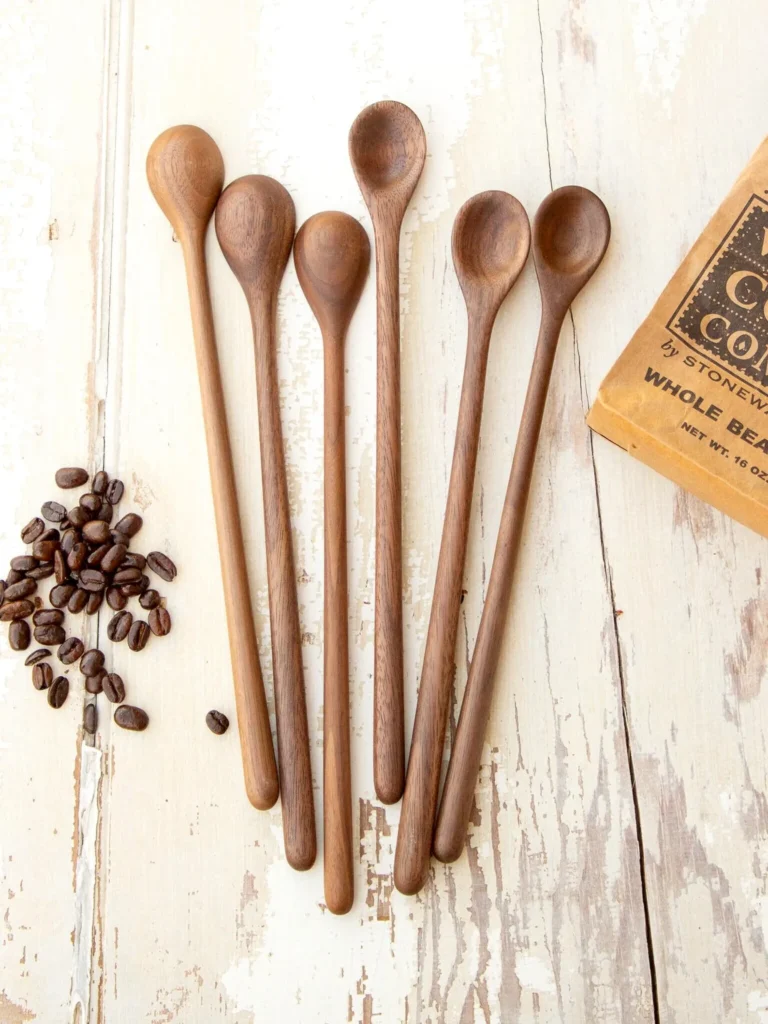
Hand-carved walnut stirrers – because plastic stir sticks don’t belong in an engineered coffee bar
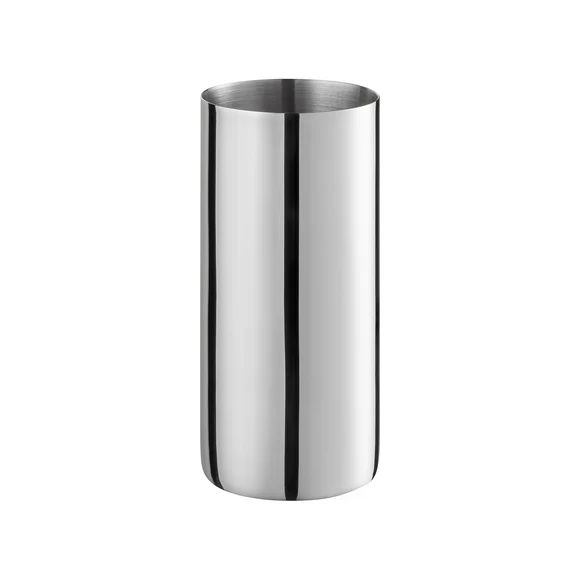
5-inch stainless tumbler holds stirrers on the top shelf – storage that looks like sculpture
When you engineer a coffee bar this precisely, you don’t use plastic stir sticks.
Set of 6 hand-carved walnut stirrers. Long handles for deep mugs. Natural wood that ties to your burl tray and canister lids. Each one slightly different because they’re made by hand.
They live in a 5-inch stainless steel tumbler on your top shelf. Open top, easy access, narrow footprint that fits the shelf depth perfectly.
This detail alone separates “I organized my coffee stuff” from “I designed a coffee system.”
Starbucks uses wooden stirrers because they’re premium. You use hand-carved walnut stirrers because when space is limited, every visible element should be intentional.
Storage that doubles as sculpture. Function that looks like art.
The Uniform Canisters That Create Visual Order
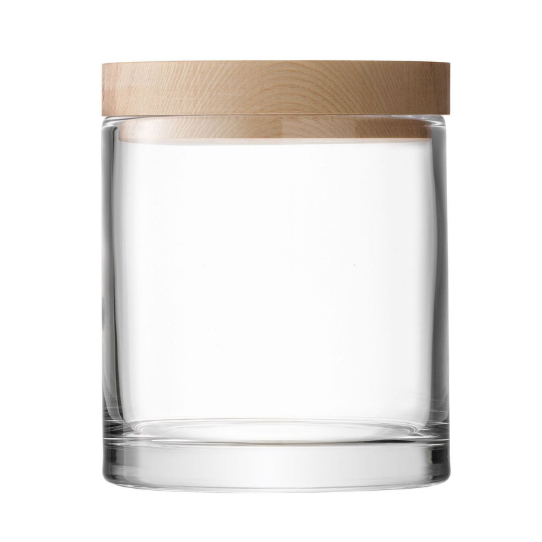
Clear glass canisters with wood lids – same height creates industrial rhythm
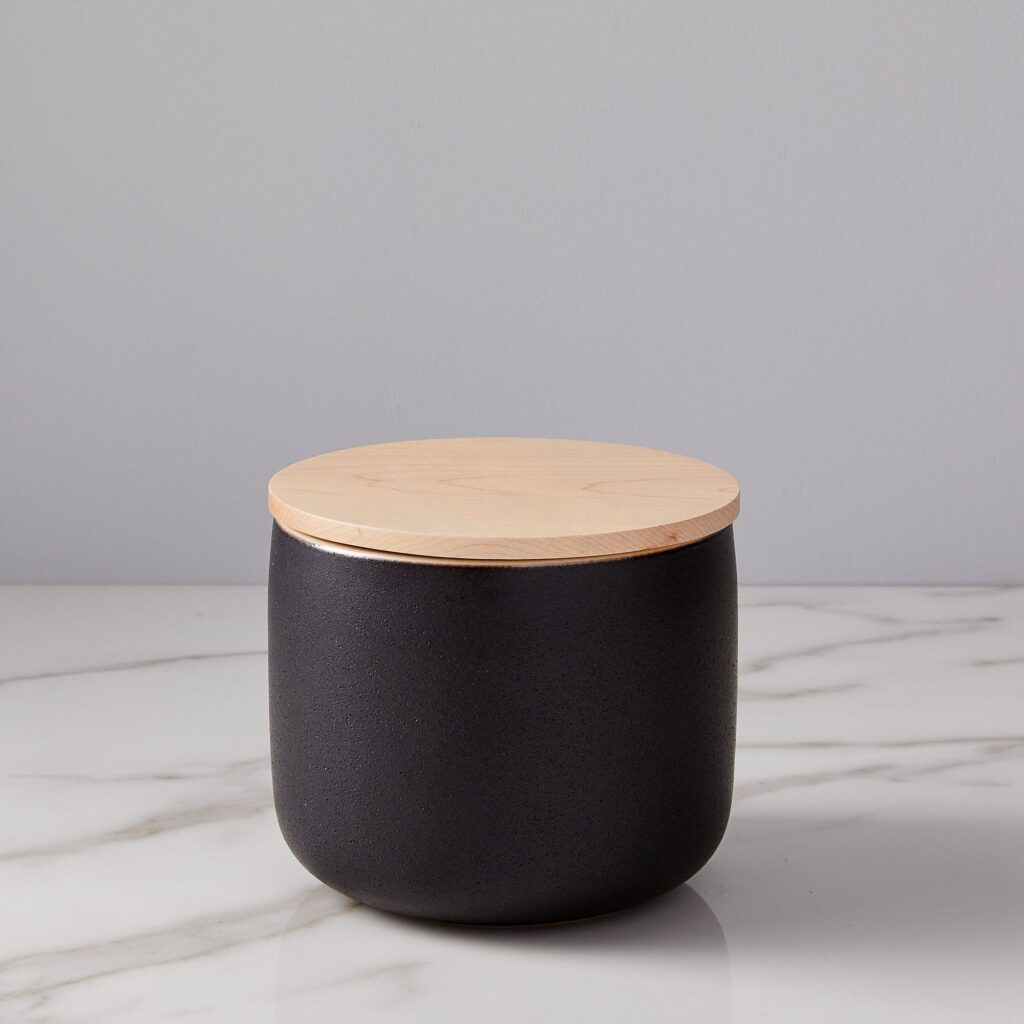
Matte black canister for light-sensitive items – visual contrast in the uniform system
Same-height containers aren’t decorative. They’re strategic.
When everything’s a different height, your eye bounces around looking for order. Visual chaos, even when it’s organized.
When everything’s the same height, you create rhythm. Industrial. Intentional. Engineered.
Three canisters on your middle shelf:
- Two clear glass with wood lids (coffee beans, ground coffee—visibility so you see when you’re running low)
- One matte black with wood lid (sugar or light-sensitive items—opaque protection)
All identical height. Completely stackable if you need to go vertical. All airtight to keep contents fresh.
This is how commercial coffee bars organize supplies. Uniform containers. Clear labeling. Visual consistency.
You’re replicating professional systems in a residential footprint.
The Ergonomically Engineered Mugs
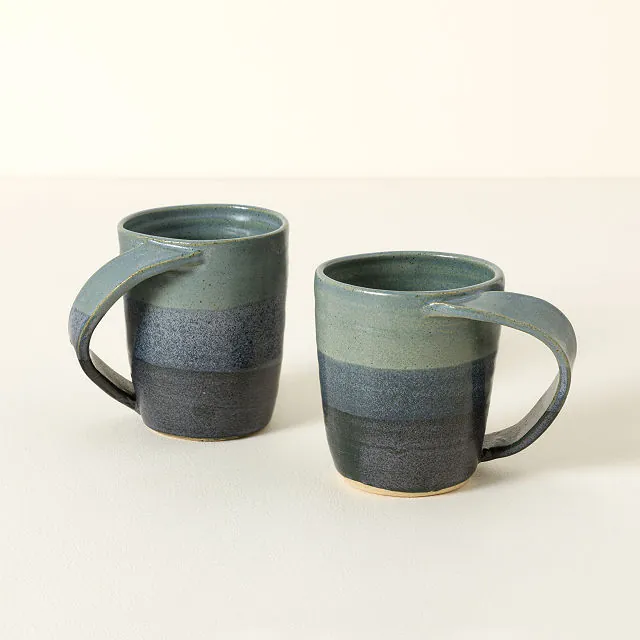
Left and right-handed engineered mugs – because when you only have room for 4 mugs, they should be intentional
These mugs are designed for left OR right-handed use. The handle orientation changes depending on which hand you favor.
Why does this matter in a small-space coffee bar?
Because you only have room for 4 mugs on display (hanging from the hooks). They can’t be random. They have to be chosen.
Handmade stoneware. Sage and charcoal two-tone glaze. Ergonomic handles engineered for comfort. Artisan quality that hangs on your industrial metal hooks. Hand-warming configuration.
When Starbucks designs their spaces, every detail is intentional. Logo placement. Cup design. Lighting.
You have 18 inches. Your details have to be even more intentional than theirs.
These mugs prove you didn’t just grab whatever was on sale. You chose them for function (ergonomics), form (handmade quality), and fit (they hang perfectly from your organizer hooks).
How This System Actually Works Every Morning
6:45am. You walk to your corner coffee bar.
Scale already on the tray (lives there permanently). Mug hanging on the hook (grab it, put it on the tray). Coffee beans in the clear canister on the middle shelf (pour into grinder or scale). Grind. Measure. Brew.
While coffee’s brewing: Cream in the thermal creamer on the middle shelf (8 inches from your hand). Sugar in the black canister next to it (right there). Walnut stirrer in the stainless tumbler on the top shelf (reach up, grab one).
Coffee ready. Pour. Add cream and sugar. Stir. Done.
Total time: 90 seconds of active work.
Space used: 18 inches of corner counter.
Total trips across your kitchen: Zero.
Everything you need is in arm’s reach. Everything has a specific spot. Nothing requires thinking or hunting or rearranging.
Your half-awake 6:45am brain can execute this routine on autopilot. Because it’s engineered for efficiency, not decorated for aesthetics.
(Though it happens to look excellent too.)
What This Setup Costs vs. What Starbucks Spends
Starbucks designs coffee bars for hundreds of square feet. Millions in equipment. Professional architects and designers.
Your complete system:
- Corner organizer: $24
- Thermal creamer: $58
- Burl wood tray: $45
- Stainless tumbler: $39.95
- Walnut stirrers: $35
- Coffee scale: $24
- Glass canisters (×3): $55
- Matte black canister: $40
- Handmade mugs (×2): $32
Total: Under $410
For a coffee bar engineered better than commercial setups. In 18 inches.
Compare that to:
- Starbucks spending millions on design
- IKEA kitchen systems starting at $3,000+
- Custom built-in coffee bars at $2,000-5,000
- Or just going to Starbucks every morning at $180/month ($2,160/year)
Your $410 investment pays for itself in 2.5 months of skipped Starbucks runs.
And works every single day. In a space Starbucks couldn’t even fit their smallest espresso machine.
This Is What Engineering Excellence Looks Like
Starbucks has 400 square feet for their coffee bar.
You have 18 inches.
Their advantage: space. Your advantage: precision.
When you can’t spread out, you have to think vertically. Or when you can’t waste an inch, every element has to be intentional. When you can’t afford mediocre design, you engineer better solutions.
Small space doesn’t mean compromise. It means you’re forced to be smarter.
The corner organizer unlocked space you didn’t know you had. The accessories proved you weren’t just organizing—you were engineering.
And the result?
A coffee bar that works better, looks more intentional, and costs less than one month of drive-through coffee.
In a footprint smaller than a laptop.
Engineering excellence in 18 inches or less.
Starbucks wishes they thought of this first.
Shop the Complete System:
The Foundation:
- 3-tier adjustable corner shelf organizer – $24 or less
The Engineering Details:
- 10oz thermal creamer – ~$58
- Burl wood tray – ~$45
- 5″ stainless steel tumbler – $39.95
- Hand-carved walnut stirrers (set of 6) – $35
- Coffee scale with timer – ~$24
- Clear glass canisters with wood lids – ~$55 each
- Matte black canister with wood lid – ~$40
- Left/right handed stoneware mugs – ~$35
Total system investment: Under $410
Space required: 18 inches of corner counter
Starbucks runs replaced: All of them